
Wildlife Conservation in India: A Story of Resilience and Success
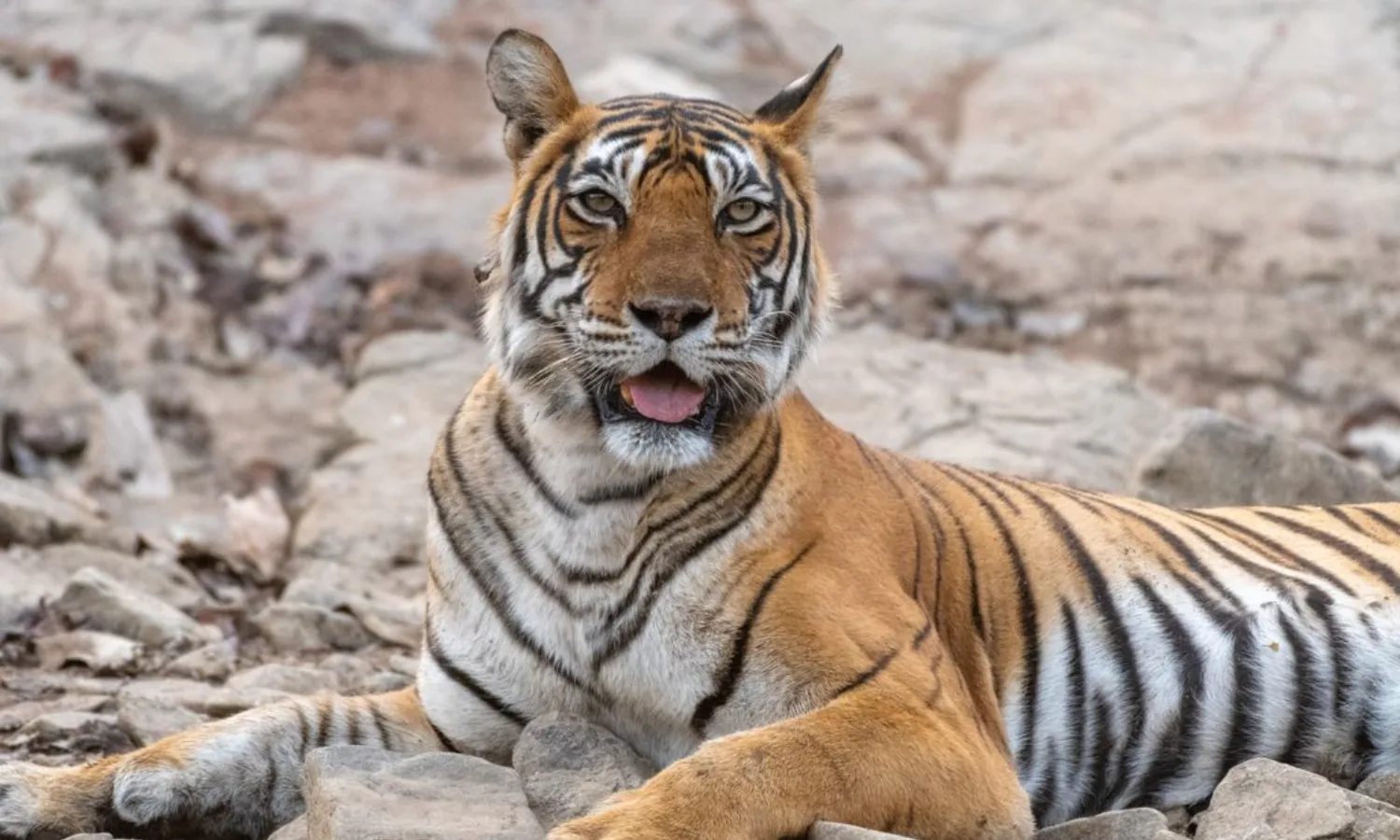
India, a land renowned for its vibrant culture and breathtaking landscapes, is also a global hotspot for biodiversity. However, with increasing human population and developmental pressures, its rich wildlife has faced significant threats. Despite these challenges, India has emerged as a beacon of hope in wildlife conservation, showcasing remarkable resilience and achieving notable successes. Tigerwalah, committed to responsible tourism, believes in celebrating these conservation victories and raising awareness about ongoing efforts.
Project Tiger: A Roaring Success
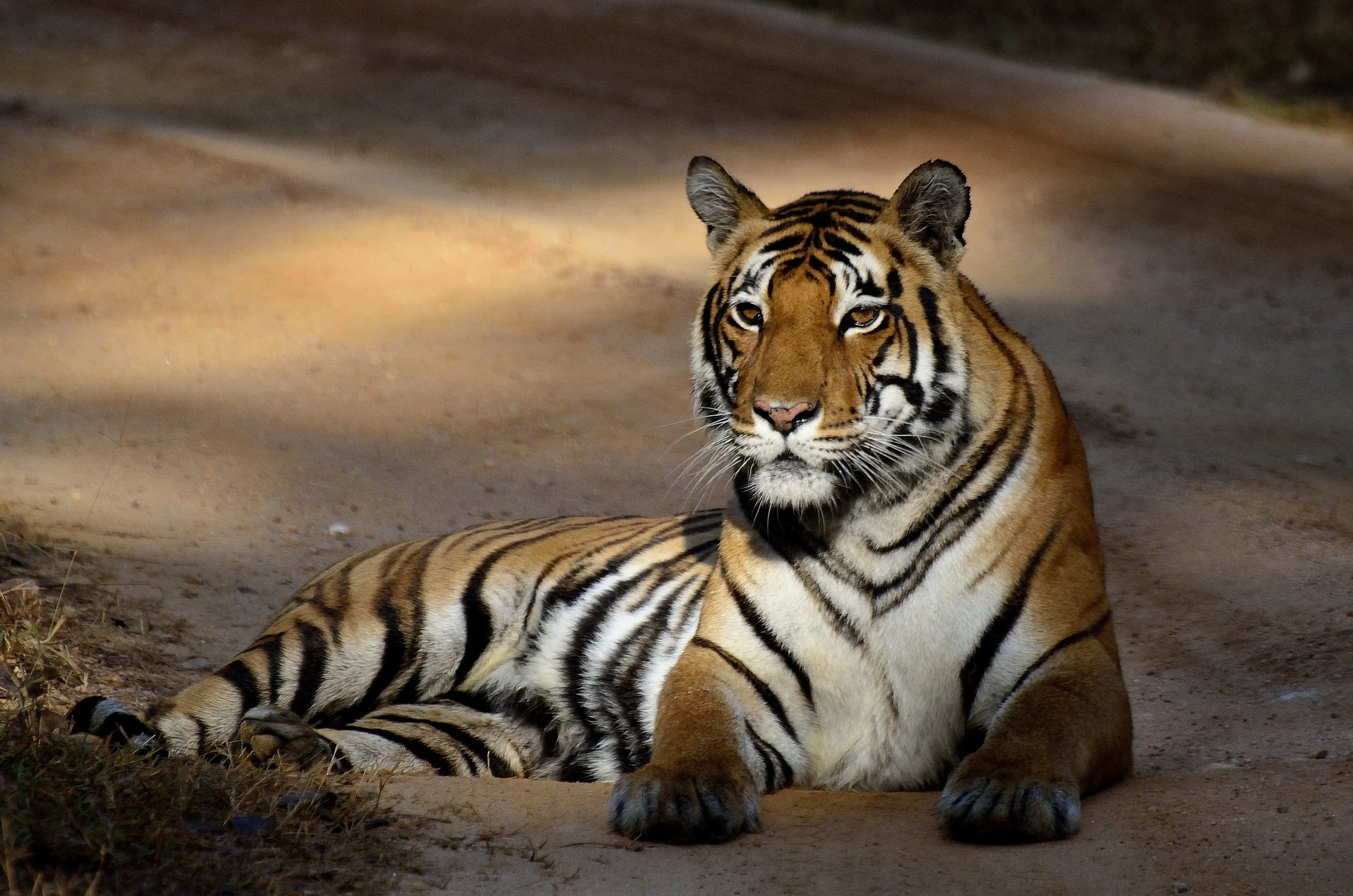
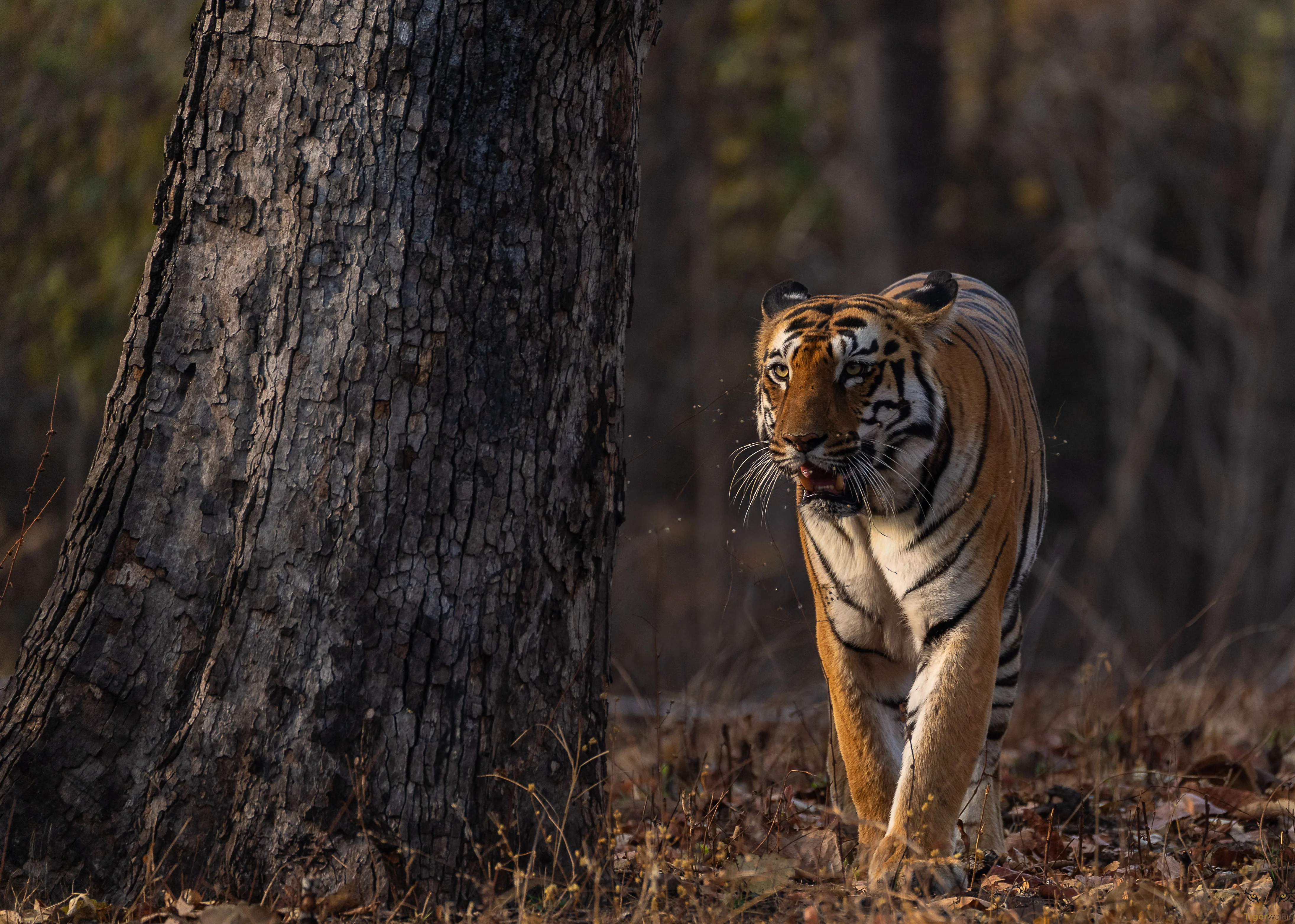
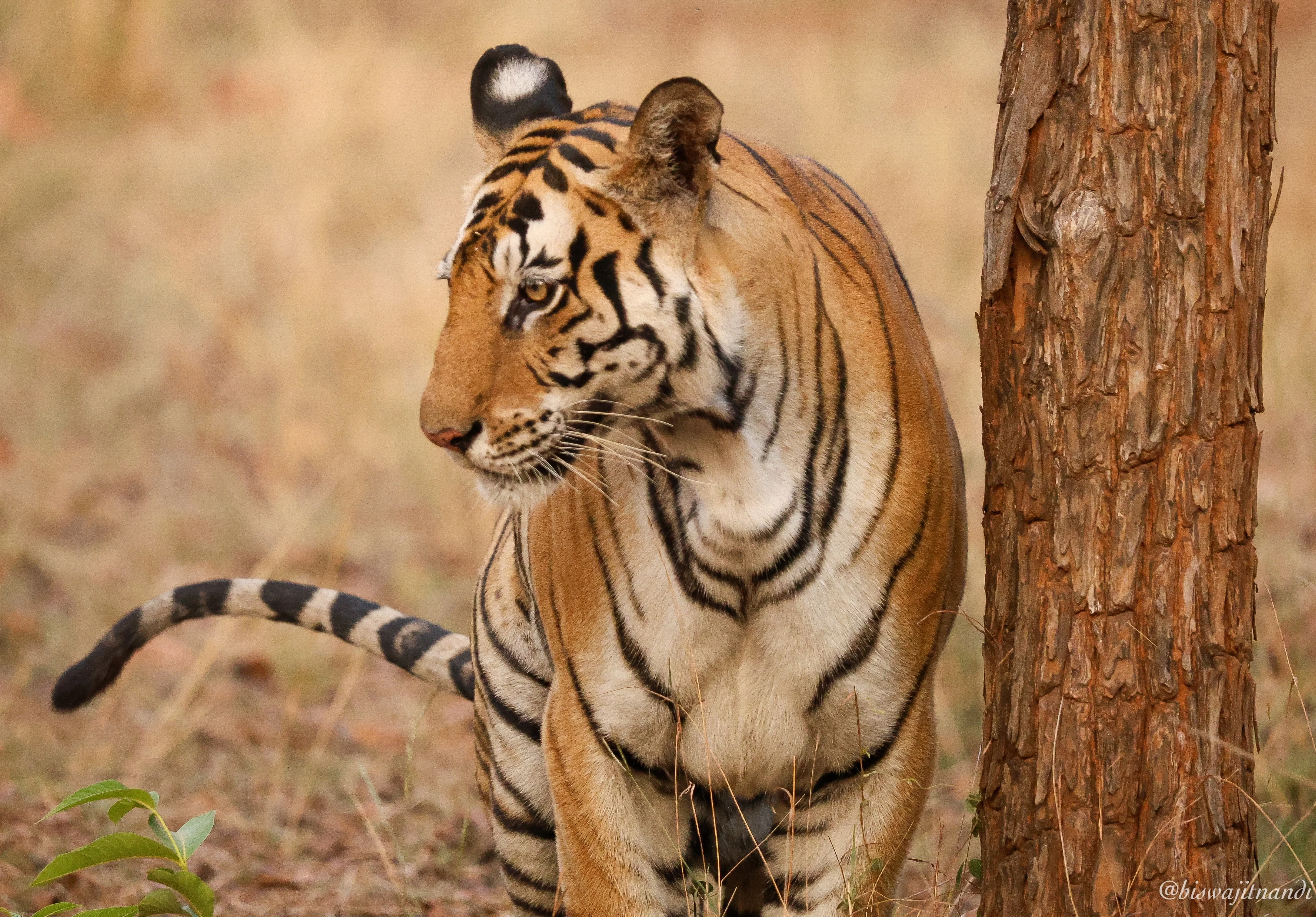
Perhaps the most iconic conservation initiative in India is Project Tiger, launched in 1973. Faced with a drastic decline in tiger populations, the Indian government, with the support of the World Wide Fund for Nature (WWF), initiated this ambitious program to protect the Bengal tiger and its habitats. The project established numerous tiger reserves across the country, focusing on habitat preservation, anti-poaching measures, and scientific management.
Fifty years later, Project Tiger stands as a monumental success. India now harbours over 70% of the world's wild tiger population, with numbers steadily increasing. This achievement is not just about tigers; it signifies the health of the entire ecosystem, as tigers are apex predators whose well-being reflects the overall biodiversity of their habitats. The success of Project Tiger has also led to the protection of countless other species within these reserves.
Beyond Tigers: Protecting Diverse Species
While tigers often capture the spotlight, India's conservation efforts extend to a wide array of endangered species. Here are a few notable examples:
- Asiatic Lion: The Asiatic lion, once on the brink of extinction, now thrives exclusively in India's Gir National Park and Wildlife Sanctuary. Dedicated conservation programs, including habitat protection and community involvement, have led to a significant recovery in their numbers.
- One-Horned Rhinoceros: The Kaziranga National Park in Assam is a prime example of successful conservation for the Indian one-horned rhinoceros. Strict protection measures against poaching and habitat management have resulted in a remarkable increase in their population.
- Barasingha: Kanha National Park played a crucial role in saving the hard-ground Barasingha from extinction. Through captive breeding programs and habitat restoration, their numbers have rebounded, showcasing the power of dedicated conservation.
- Snow Leopard: In the high altitudes of the Himalayas, efforts are underway to protect the elusive snow leopard. Initiatives focus on community-based conservation, reducing human-wildlife conflict, and combating poaching.
Key Strategies for Conservation Success
India's conservation success can be attributed to several key strategies:
- Protected Area Network: The establishment of a vast network of national parks, wildlife sanctuaries, and tiger reserves provides critical habitats for endangered species.
- Anti-Poaching Measures: Enhanced patrolling, intelligence gathering, and strict legal frameworks have significantly curbed poaching activities.
- Community Involvement: Engaging local communities in conservation efforts, often through eco-tourism and livelihood programs, has fostered a sense of ownership and responsibility towards wildlife.
- Wildlife Corridors: Creating and protecting wildlife corridors allows animals to move safely between fragmented habitats, crucial for genetic diversity and population health.
- Scientific Management: Utilising scientific research, monitoring, and adaptive management strategies ensures effective conservation interventions.
The Role of Responsible Tourism
Responsible tourism plays a vital role in supporting these conservation efforts. By choosing ethical tour operators, visitors contribute directly to the local economies, which in turn incentivises communities to protect wildlife. Moreover, wildlife tourism raises global awareness about the importance of conservation and the need to preserve these magnificent creatures for future generations.
India's journey in wildlife conservation is an ongoing one, filled with both challenges and triumphs. The dedication of conservationists, government agencies, and local communities, coupled with the support of responsible tourism, continues to write a compelling story of resilience and success in protecting the nation's invaluable natural heritage.
Planning a trip to Kanha Tiger Reserve?
Explore our tailor-made safaris, expert routing guides, and real-time sighting updates for this park.
Inspired to see it for yourself?
Join us on an unforgettable wildlife expedition. Explore our fixed departures or let us customize a private tour tailored just for you.








No comments yet. Be the first!