Welcome to the Land of the Asiatic Lion
Gir National Park, also known as Sasan Gir, is a renowned national park situated in the western Indian state of Gujarat. Established in 1965, it spans over 1,412 square kilometers.
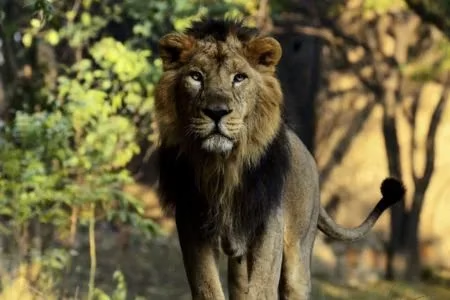
The park is globally celebrated as the last refuge of the Asiatic lion, a species once on the brink of extinction. The numbers have risen from 20 lions in the 20th century to over 800+ now tells a lot about the success story of conservation in Gir. Thanks to dedicated conservation efforts of the Indian and Gujrat forest department.
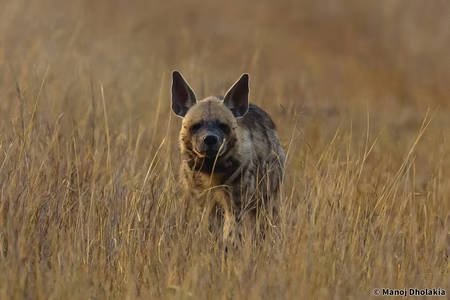
Apart from lions, Gir is home to a rich variety of fauna including leopards, hyenas, jackals, deer, antelope & crocodiles, and over 300 species of birds. Its diverse landscape of dry deciduous forests, grasslands, and water bodies makes it a haven for both animals and nature lovers.
Visitors can enjoy wildlife safaris, in winters and summers. Safaris are closed in Monsoon that is from 15th June to 15th October. Like all other national parks and sanctuaries this park also supports local communities through eco-tourism.
How do I book a safari in Gir National Park?
- Book Early: Permits for the Gir Safari sell out fast, especially during the peak season from December to March. Advance online booking is necessary through the official forest department website.
- Leverage Professional Expertise: For a truly seamless and rewarding experience, consider using a reputable tour operator. They handle all the details, from booking permits and accommodation to on-ground transport and expert guidance.
What types of safaris are offered in Gir National Park?
Jeep Safari (Main Park)
Jeep Safaris- Three different type of jeeps are available in the Gir National Park for safari.
1: 4 seater
1: 6 seater
1: 8 seater
Visitors can book any kind of vehicle according to their wish. These are all 4*4 vehicles. There is also provision to hire different kind of guides viz- a naturalist, G1 guide, G2 guide. They are classified based on their qualification, knowledge of the diversity and communication/language skills.
Timings: 06:30am to 09:30am, 09:30am to 12:30pm, 03:00pm to 06:00pm.
Devalia Safari Park (Gir Interpretation Zone)
Open Year-Round
Experience: If you're short on time or visiting during the monsoon, this is your best bet. It is a fenced, 4 sq km area that houses lions, leopards, and other species in a semi-wild environment. It offers a very high chance of spotting Asiatic lions in a shorter time frame (1-1.5 hours).
Wildlife- Fauna & Flora of Gir National Park
">Gir National Park is the only place in the world where you can see the majestic Asiatic lion roaming free. It is one of the most successful stories of conservation. Home to over 800+ Asiatic lions, out of which approximately 384+ live in the National Park and the remaining 507 in an expanded habitat.
Gallery: Moments in Gir
The Rich Biodiversity of Gir
Mammals
Besides the star attraction, the Asiatic Lion, Gir has one of the highest leopard populations in India. Other common mammals include striped hyenas, golden jackals, jungle cats, sambar, chital, chinkara, nilgai, four horned antelopes and wild boars etc. Some of the rare mammals that are spotted in Gir are- Honey badger, rusty spotted cat, desert cat, Indian pangolin.
Birds
It is one of the important birding destinations in India, with over 300+ bird species, including both resident and migratory birds. Notable sightings include the paradise flycatcher, crested serpent eagle, black-headed oriole, brown fish owl, Indian eagle owl and endangered vultures like the white-backed and long-billed vulture.
Reptiles
The Kamleshwar Dam is home to a large population of marsh crocodiles (muggers). Other reptiles found here include monitor lizards, Indian rock python, Spectacled cobra, Russel’s viper, and several other species of snakes and tortoises.
Forest Types
The vegetation is classified as a dry deciduous forest, characterised by trees that shed their leaves in the dry season. This helps in water conservation and improves visibility for animal sightings. The park is part of the Khathiar-Gir dry deciduous forests ecoregion.
Dominant Flora Species
Over 500 plant species have been identified. The dominant tree is teak, which covers nearly half of the forest. Other common trees include acacia, babool, jambu, tendu, dhak (Flame of the Forest), and various types of grasses and thorny shrubs.
Riverine Flora
Along the park's seven perennial rivers, you can find broad-leaved, evergreen trees like banyan, peepal, and tamarind. These areas provide vital shade and moisture, acting as green corridors for wildlife.
When is the best time for a safari at Gir National Park?
Gir National Park is open from October to mid-June. While a safari is rewarding at any time during this period, the best time for a safari depends on your preference.
December to March (Winter)
This is the sweet spot for wildlife sightings. The weather is pleasant, the mornings are crisp, and animals are active and often out in the open.
March to May (Summer)
If your primary goal is to spot lions, these months work wonders. As temperatures rise, wildlife tends to gather near water sources, making sightings more frequent. Just be ready for the heat!
July to September (Monsoon)
The core zone of Gir National Park remains closed during the monsoon season due to heavy rainfall.
How do I get to Gir National Park?
Reaching Gir is part of the fun—scenic drives, local food stops, and the anticipation of what's to come.
✈️ By Air
Diu Airport: Approximately 70 km away.
Rajkot Airport: Approximately 160 km away.
🚆 By Train
Junagadh Junction: Approximately 70 km away, connecting Gir to major cities.
Veraval Railway Station: Approximately 45 km away.
🚗 By Road
Well-maintained roads make it easy to drive from major cities like Ahmedabad, Rajkot, or Junagadh.
What are some pro tips for maximising my Gir safari experience?
Book Early
Permits sell out fast, so plan and book well in advance.
Dress Right
Wear neutral colours, comfortable cottons, and a light jacket for early mornings.
Gear Up
Binoculars, a camera with a good zoom lens, sunscreen, and a reusable water bottle are your best friends.
Stay Patient
It’s nature—you’re on its schedule, not the other way around.
Follow the Rules
Always listen to your guide, do not make loud noises, and never feed the animals.
What are the guidelines for responsible and ethical tourism in Gir?
Gir is a lion country, but also the home of the local Maldhari pastoral communities. Respecting both is key to responsible tourism. Maintain silence, stay on designated routes, avoid plastic, support local communities, and choose tour operators who prioritise wildlife ethics and conservation.
Your Essential Gir Safari Checklist
Don't go unprepared! Get our free, comprehensive PDF checklist covering what to pack, essential documents, photography tips, and more—delivered straight to your inbox.
We respect your privacy. No spam, ever.
Why Choose Tigerwalah for Your Gir Safari?
Let us be your expert partner in crafting an exceptional and unforgettable Gir journey.
Unmatched Expertise
We bring years of experience and intricate knowledge of Gir's ecosystem, wildlife behavior, and safari logistics to create perfectly planned trips.
Personalized Service
We recognize that every traveler is unique. We customize itineraries and arrangements to meet your specific needs for a truly bespoke adventure.
Ethical & Responsible
We are dedicated to tourism that supports conservation, benefits local communities, and educates guests on minimizing their environmental impact.
Seamless Support
From safari permits to accommodation and transport, we provide hassle-free arrangements so you can focus on the magic of the wild.
Get In Touch
Ready for an adventure? We're here to help.