
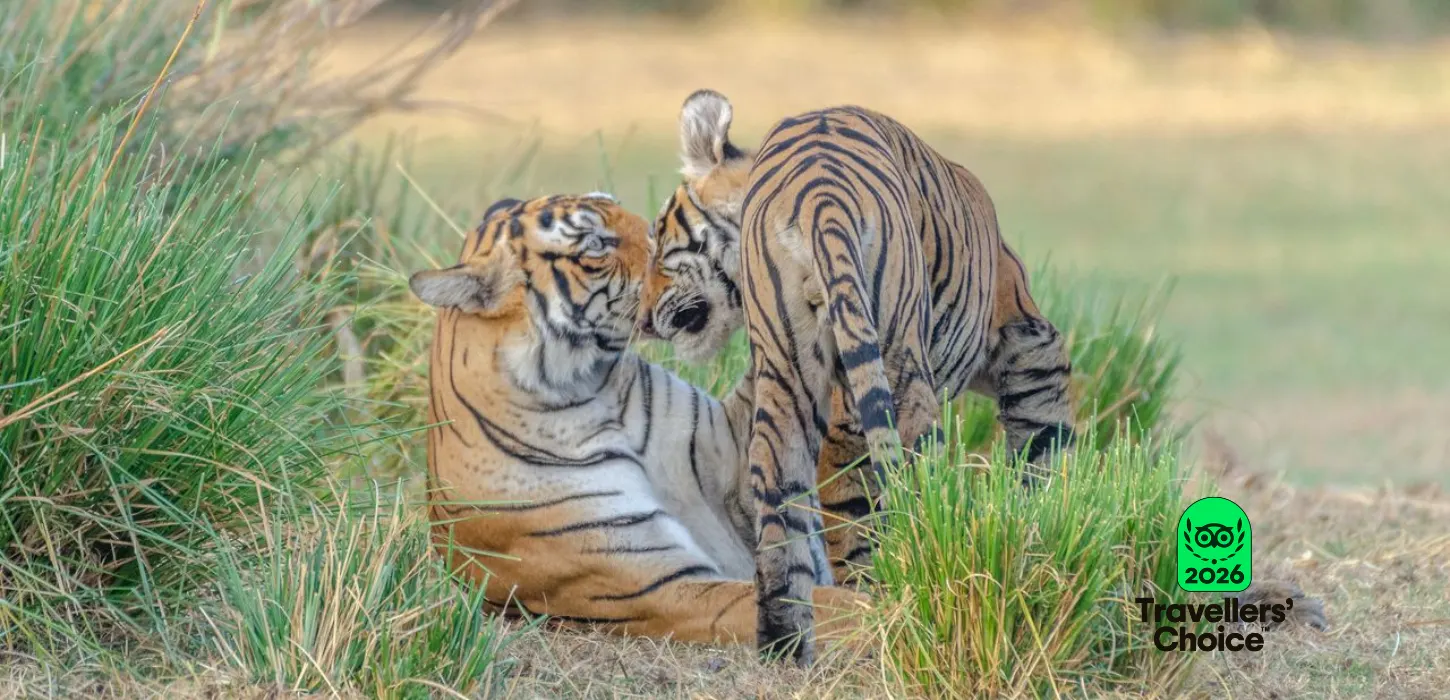
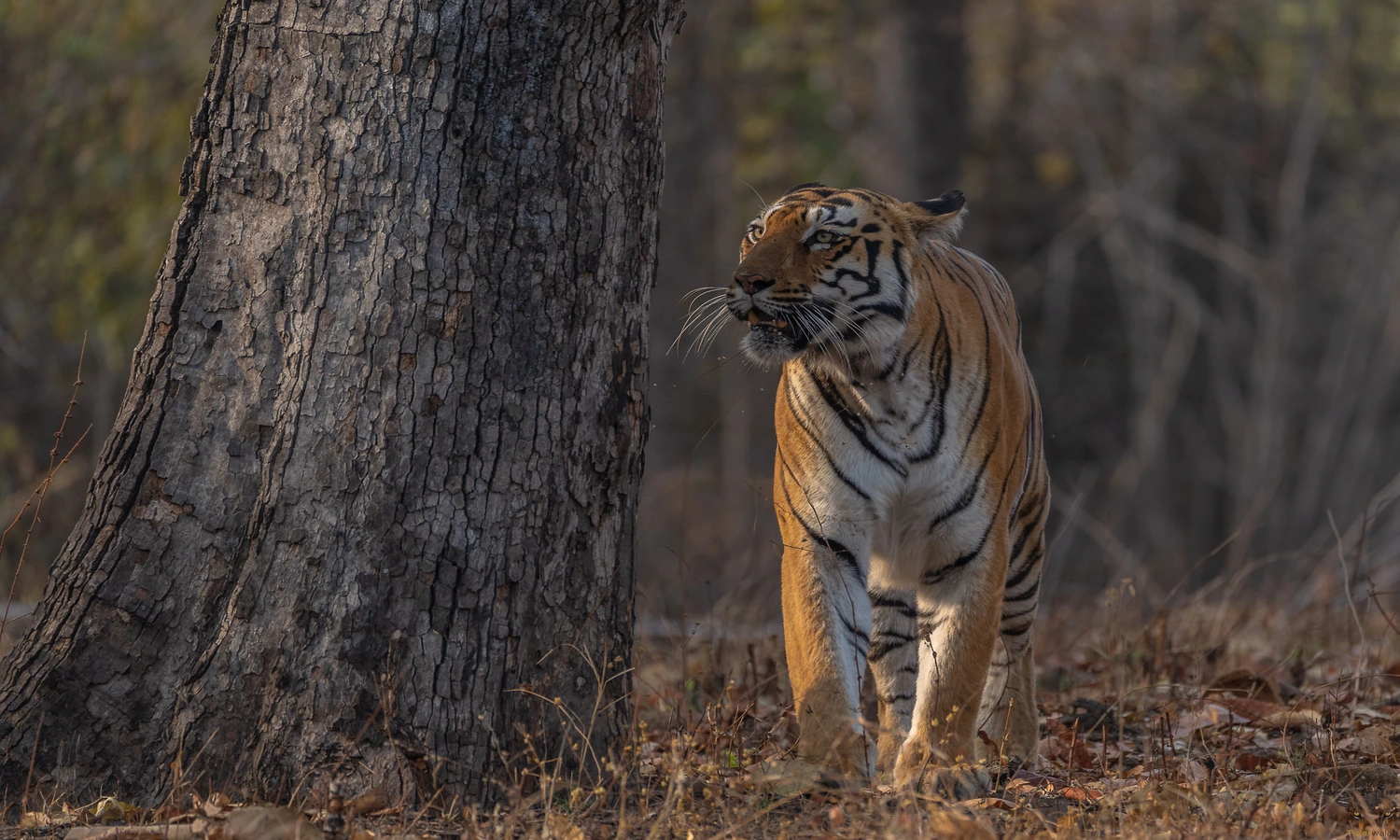
Custom-built tiger safaris and rare-species expeditions across India's top reserves — Ranthambore, Bandhavgarh, Kanha, Corbett, Kaziranga and beyond.
Founded in 2010 by naturalist Anurag Sharma, Tigerwalah has run 7,000+ jungle drives over 16 years for guests from 30+ countries. We design the trip, secure the permits, and put you with the guides who track the animals.
Welcome to your premier gateway for unforgettable wildlife adventures across the Indian subcontinent. At Tigerwalah, we specialize in crafting bespoke tiger safaris and unique wilderness expeditions that go beyond the ordinary. Our journeys span the most diverse ecosystems on earth, from the sun-dappled, dense jungles of Ranthambore and Bandhavgarh to the breathtaking, rugged terrains of the Himalayan peaks.
Our expert-led tours are meticulously designed for passionate wildlife photographers, conservation enthusiasts, and soul-seeking adventurers. We bridge the gap between travelers and the wild, facilitating authentic, respectful encounters with India's most iconic species in their pristine natural habitats. Whether you are tracking the elusive Bengal tiger or seeking the rare snow leopard, our deep-rooted expertise ensures a safe, immersive, and transformative experience in the heart of the wild.
What Makes Tigerwalah Different
Built on
Built on
16+ years in
the field.
Most operators book safaris. We track wildlife. There's a difference — and after 7,000+ jungle drives across India's most remote reserves, it shows in every itinerary we design. These are the principles we've never compromised on.
01
Field Expertise
Guides Who Know the Forest
Our naturalists have spent decades reading animal behaviour — not reading brochures. They know each tiger by pugmark, each zone by the angle of the light at 6am.
02
Bespoke by Default
No Two Itineraries Are the Same
We build every safari around your species list, your schedule and your lens. Wildlife photographers get different treatment to family holidaymakers — by design.
03
Conservation Ethics
The Forest Comes First
For us, conservation isn't a tick-box. The wildlife and the forest come first — always have. It's the reason Tigerwalah exists, and it shapes every call we make in the field.
04
End-to-End Service
Permits, Lodges, Everything
Booking for India's major tiger reserves — Ranthambore, Bandhavgarh, Kanha, Corbett, Tadoba and beyond — opens 90–120 days ahead, and the best core-zone permits sell out in hours. We've navigated that system for 16 years, so you arrive at the gate with the right zone booked, not whatever was left.
Fixed Departures
Season 2026–2027 · Limited SeatsCurated expeditions · Limited seats pre-scheduled trips for solo travellers, couples and small groups — guaranteed dates, permits secured months ahead, senior naturalists at the helm. One all-inclusive price. No hidden costs, no last-minute surprises. Average group size 6.
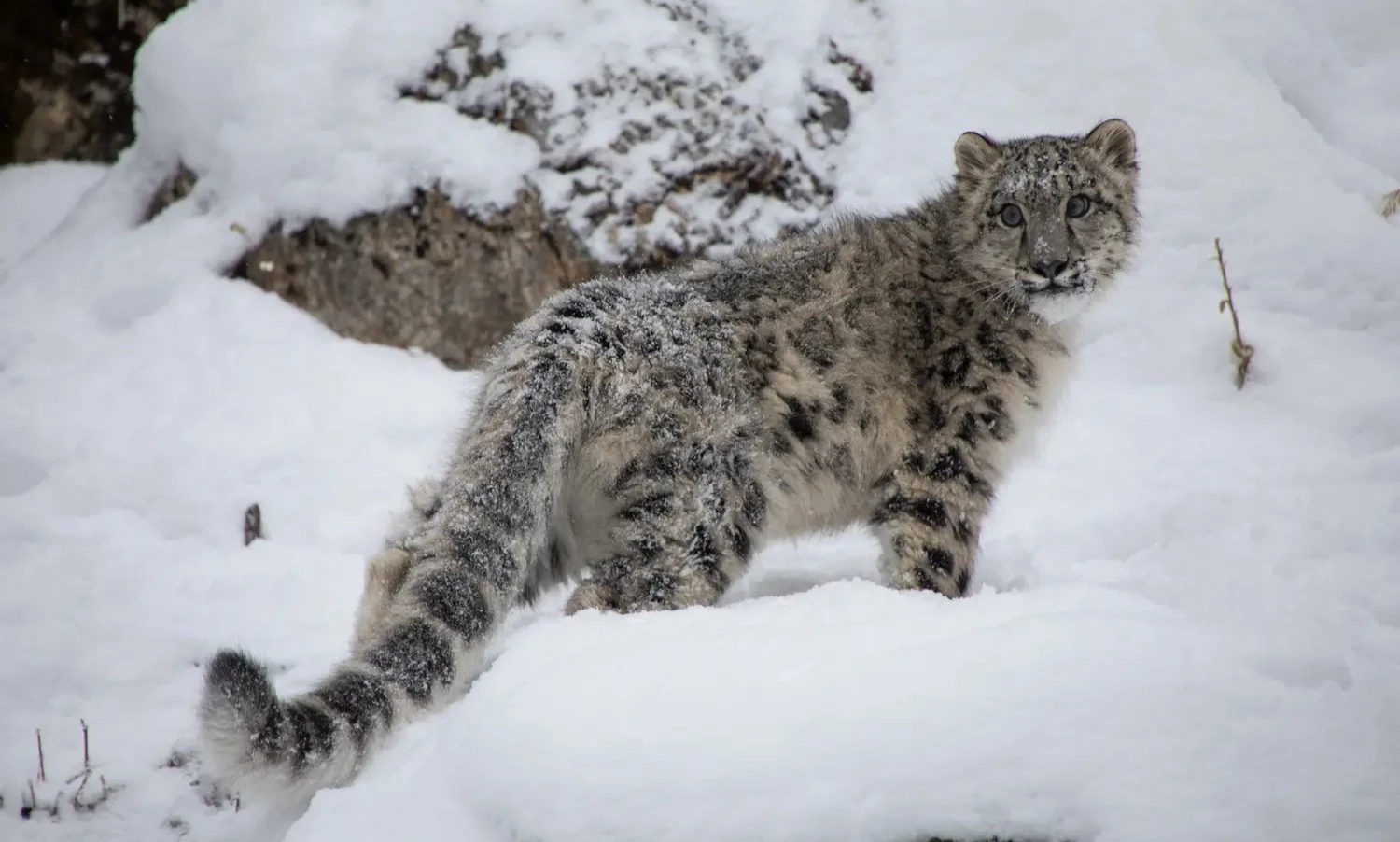
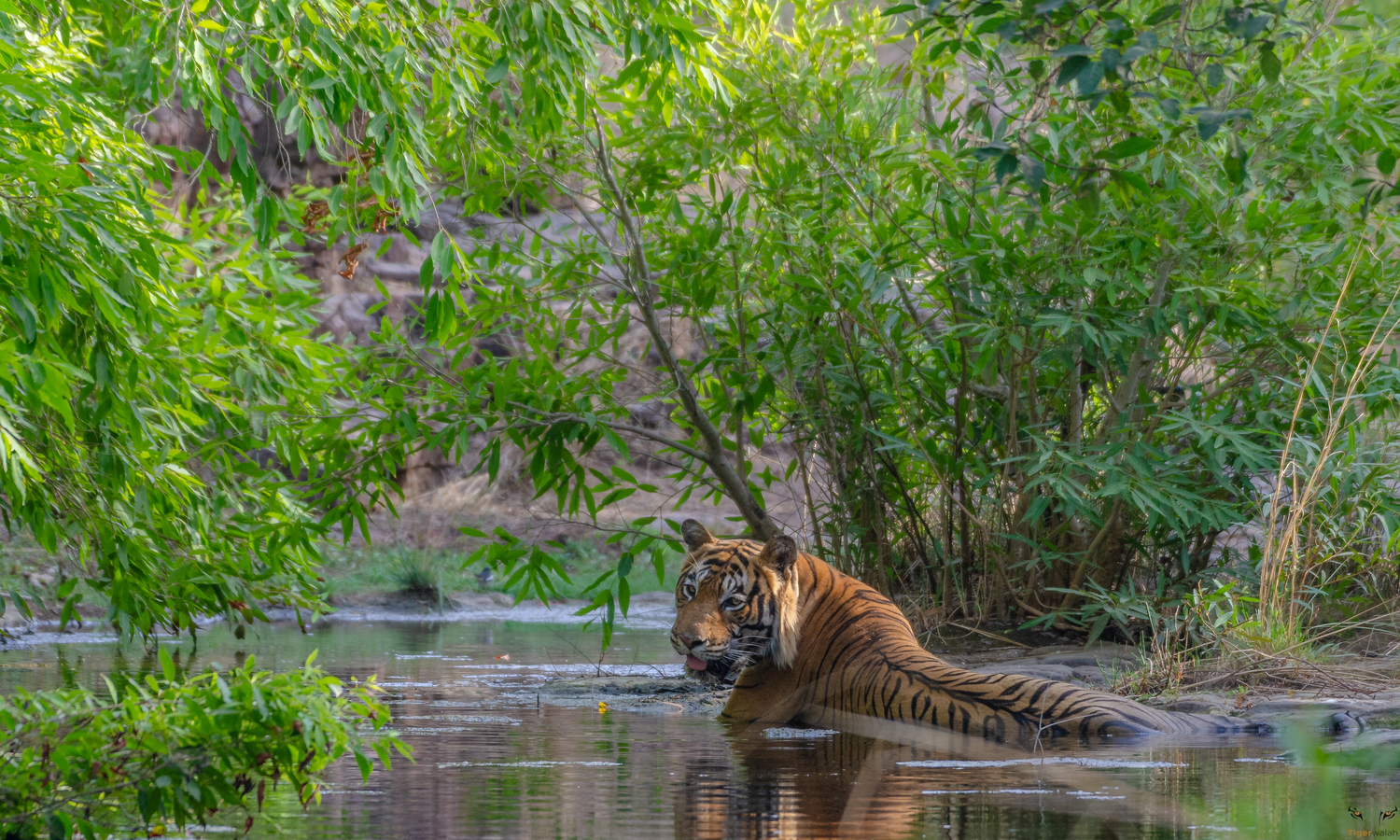
Most Popular
India's
India's
Wild Places.
Curated.
From the fort-shadowed lakes of Ranthambore to the frozen gorges of Ladakh — every park here has been field-tested by our team across multiple seasons. These are the ones we stand behind.

Customized Tour
Ranthambore Tiger Safari
Rajasthan · 6 safari zones · Oct–June

Customized Tour
Corbett Wildlife Tour
Uttarakhand · India's first national park

Customized Tour
Bandhavgarh Tiger Safari
Ancient Shrines & Wild Tigers

Customized Tour
Kanha Tiger Safari
MP · Setting of "The Jungle Book"
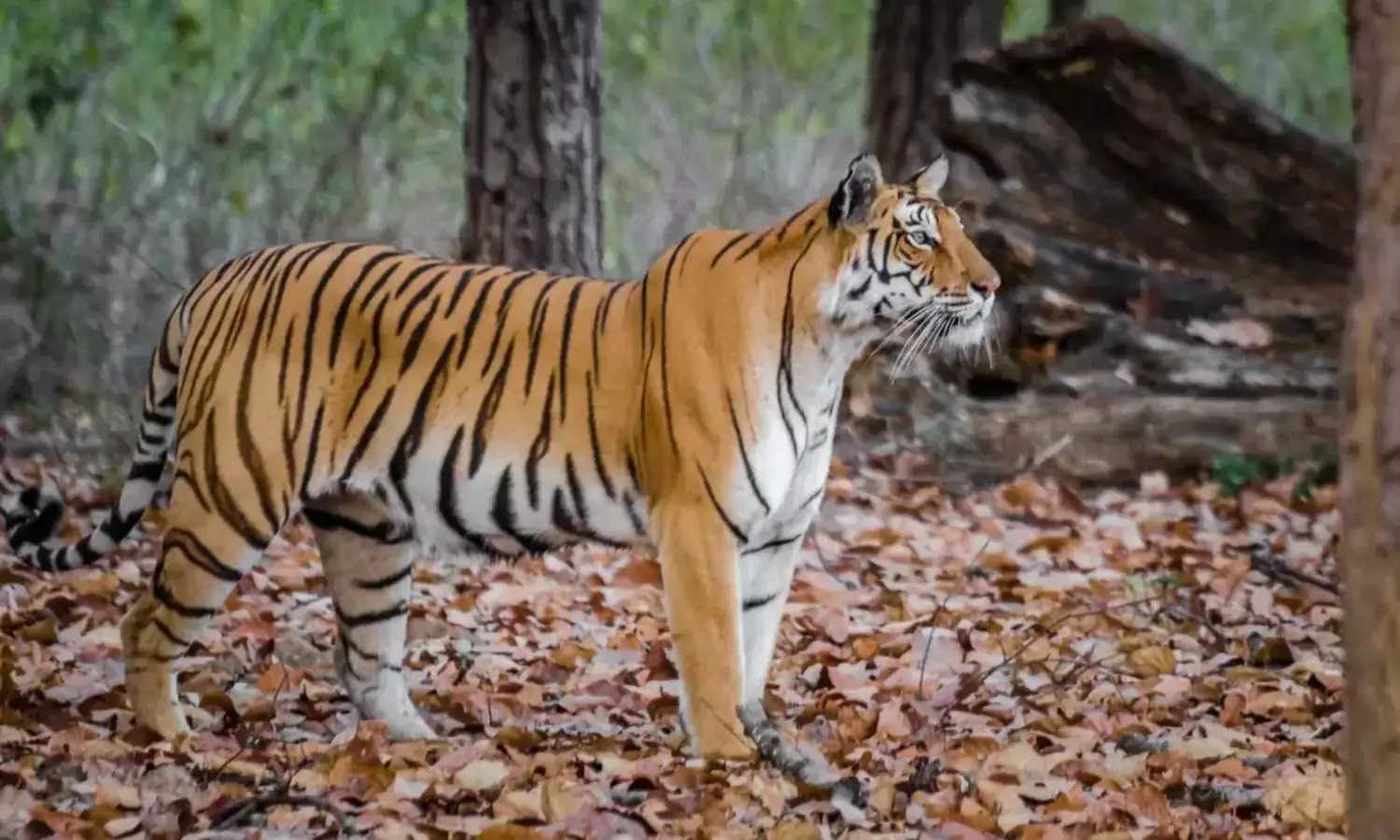
Customized Tour
Central Indian Wildlife
Pench + Kanha + Bandhavgarh circuit
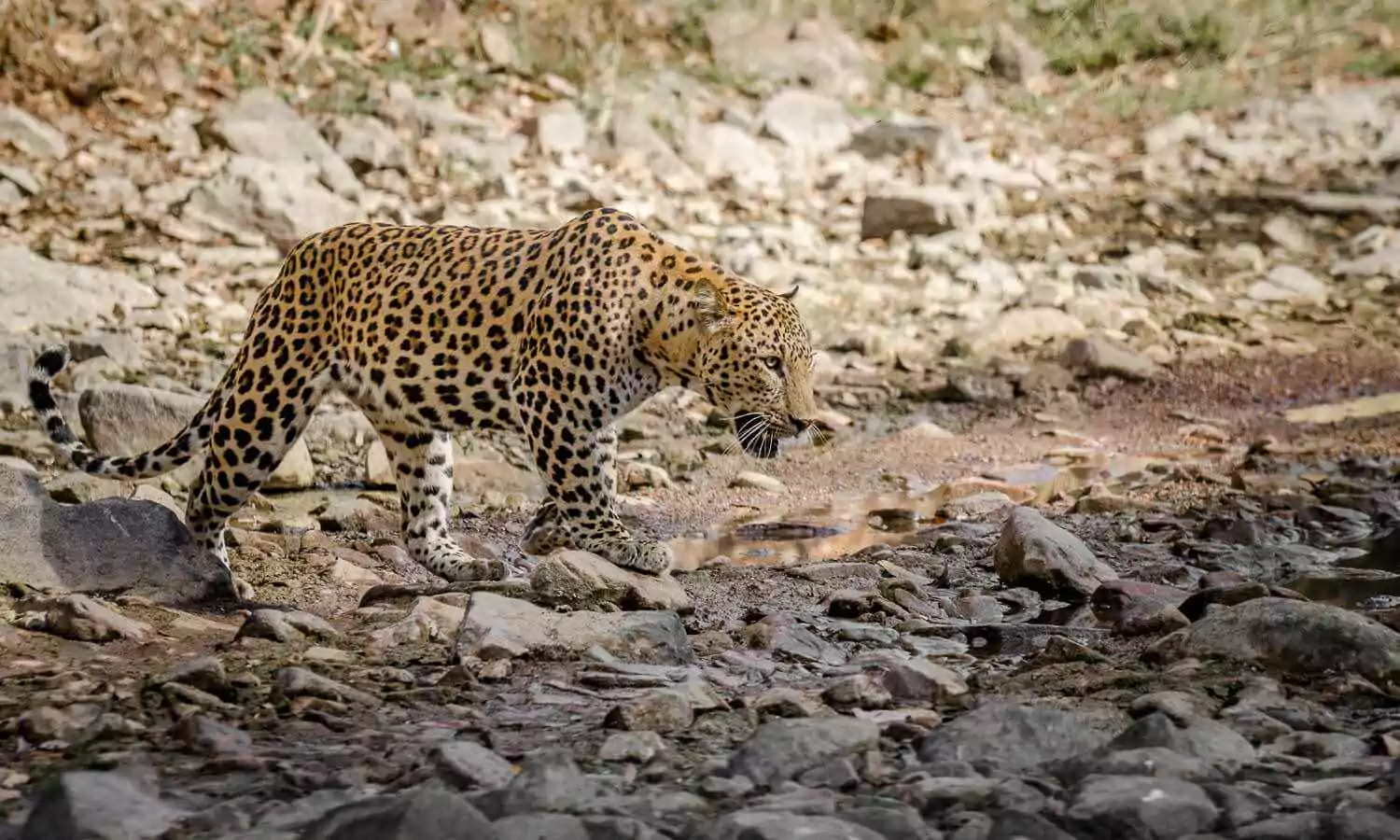
Customized Tour
Jhalana Leopard Safari Jaipur
Rajasthan · "Leopard capital of India"

Customized Tour
Luxury Wildlife Safaris in India
Premium lodges · Private jeeps · Top reserves
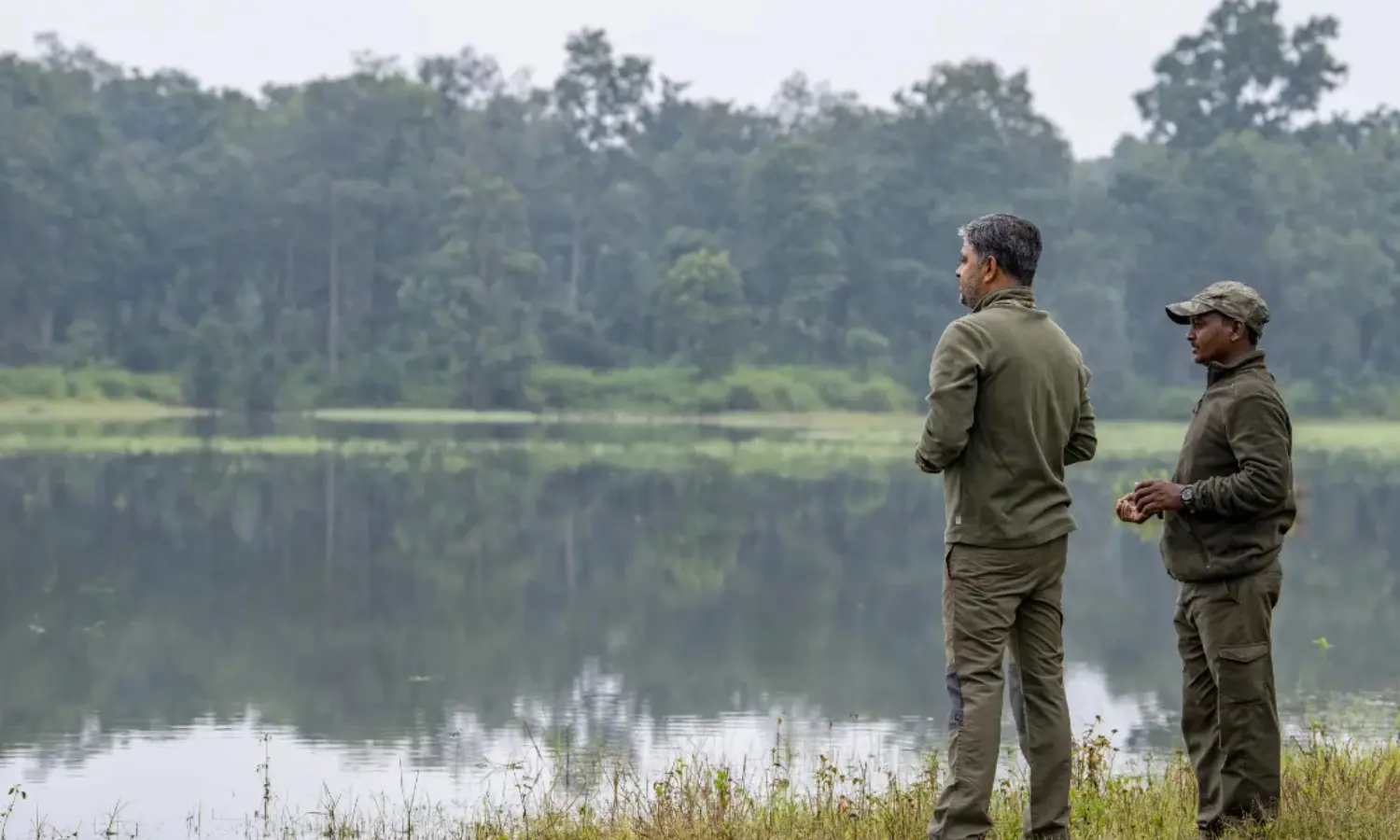
Customized Tour
Guided Wildlife Tours
Naturalist-led tours across all major parks
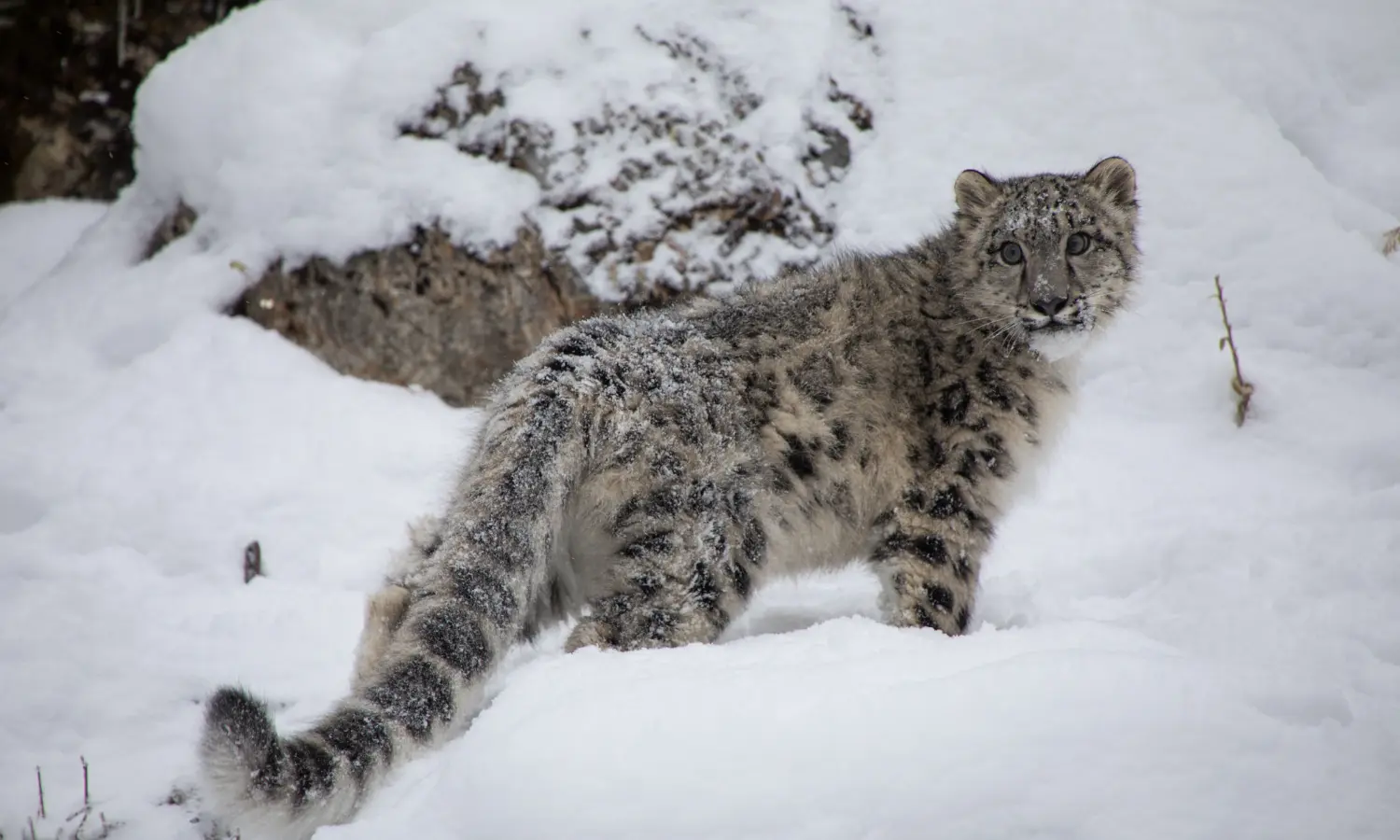
Customized Tour
Rare Species & Offbeat Wildlife Expeditions




The Man Behind Tigerwalah
Since 2010
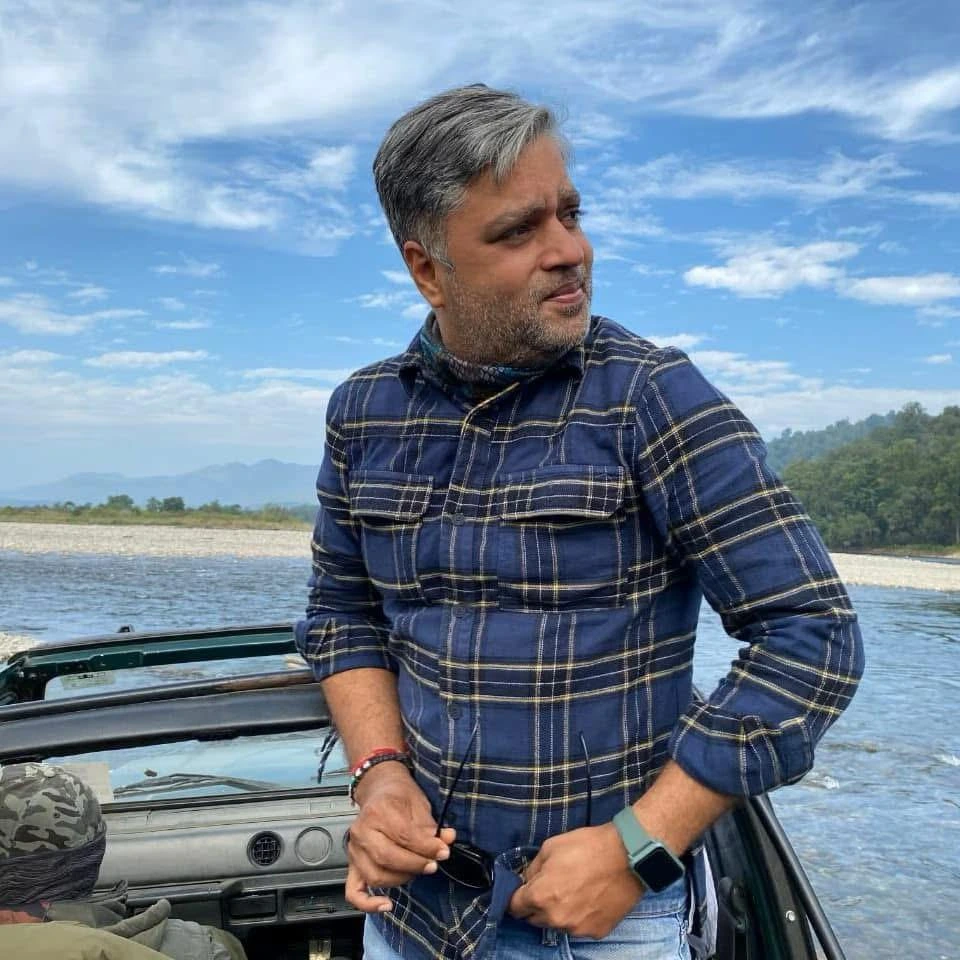
Anurag Sharma
Founder & Chief Explorer Tigerwalah · Since 2010


 #1 SAWAI MADHOPUR
"I didn't build Tigerwalah to be a tour company. I built it to graduate park visitors into informed wildlife travellers — guests who see what the forest is, not what the brochure shows them."
Anurag Sharma founded Tigerwalah in February 2010, bringing nearly two decades of personal experience tracking tigers and other wildlife across National Parks in India. He has designed and led hundreds of safaris for guests from 30+ countries.
He also conceptualised and built India's first web-based tiger-tracking database for Ranthambore, in direct partnership with the Forest Department — a project still used by researchers and trackers today.
His philosophy is simple: Guests put physical, financial and emotional energy into planning a holiday. Our job is to do everything in our power to make every moment of it memorable.
16+
Years Operating
7k+
Jungle Safaris
30+
Countries Served
Testimonials
TripAdvisor Reviews
Field Notes & Stories
Recent From The Blog
Read our latest safari guides, tiger tracking reports, and expert tips for exploring India's wild jungles.
Satpura & Kheoni Season End 2025–26
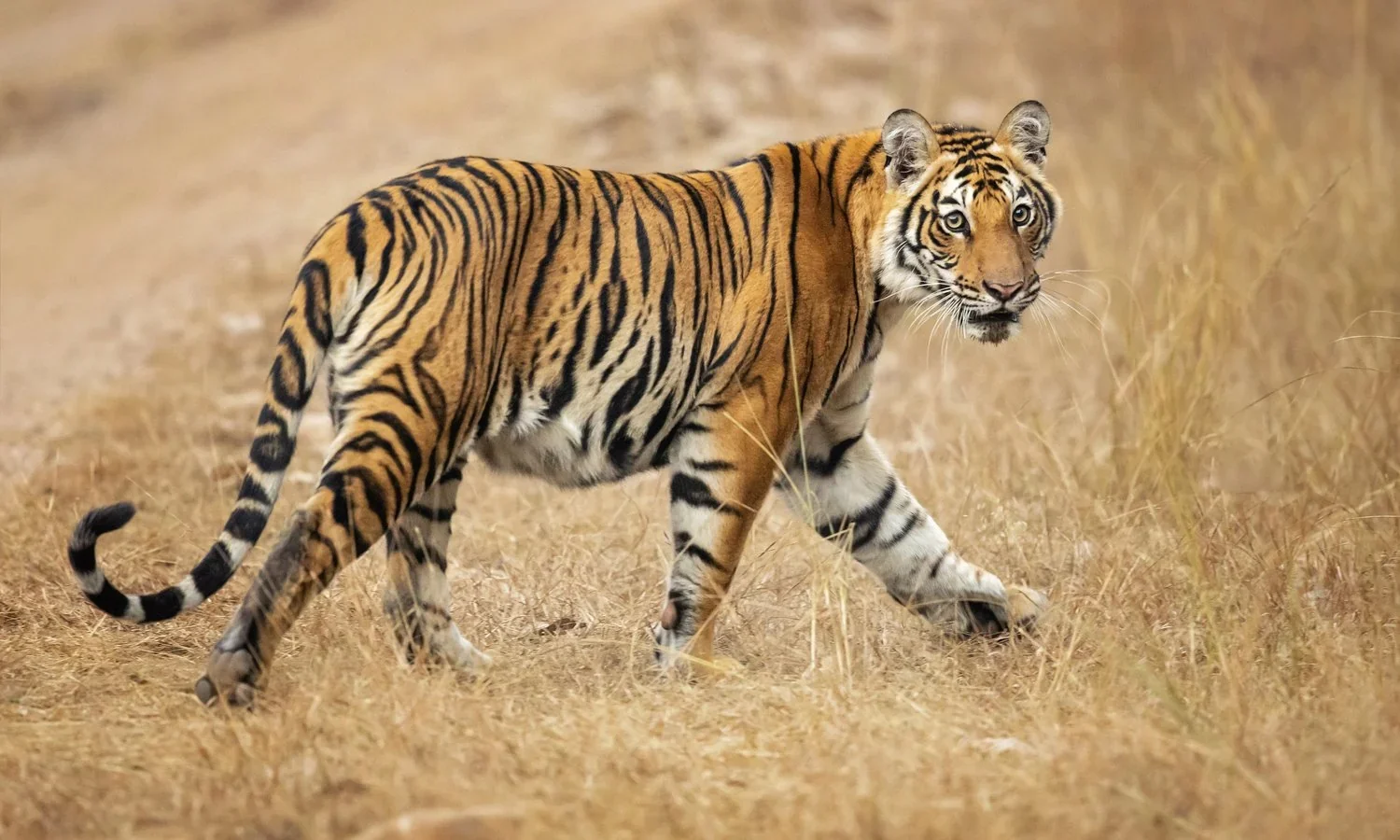
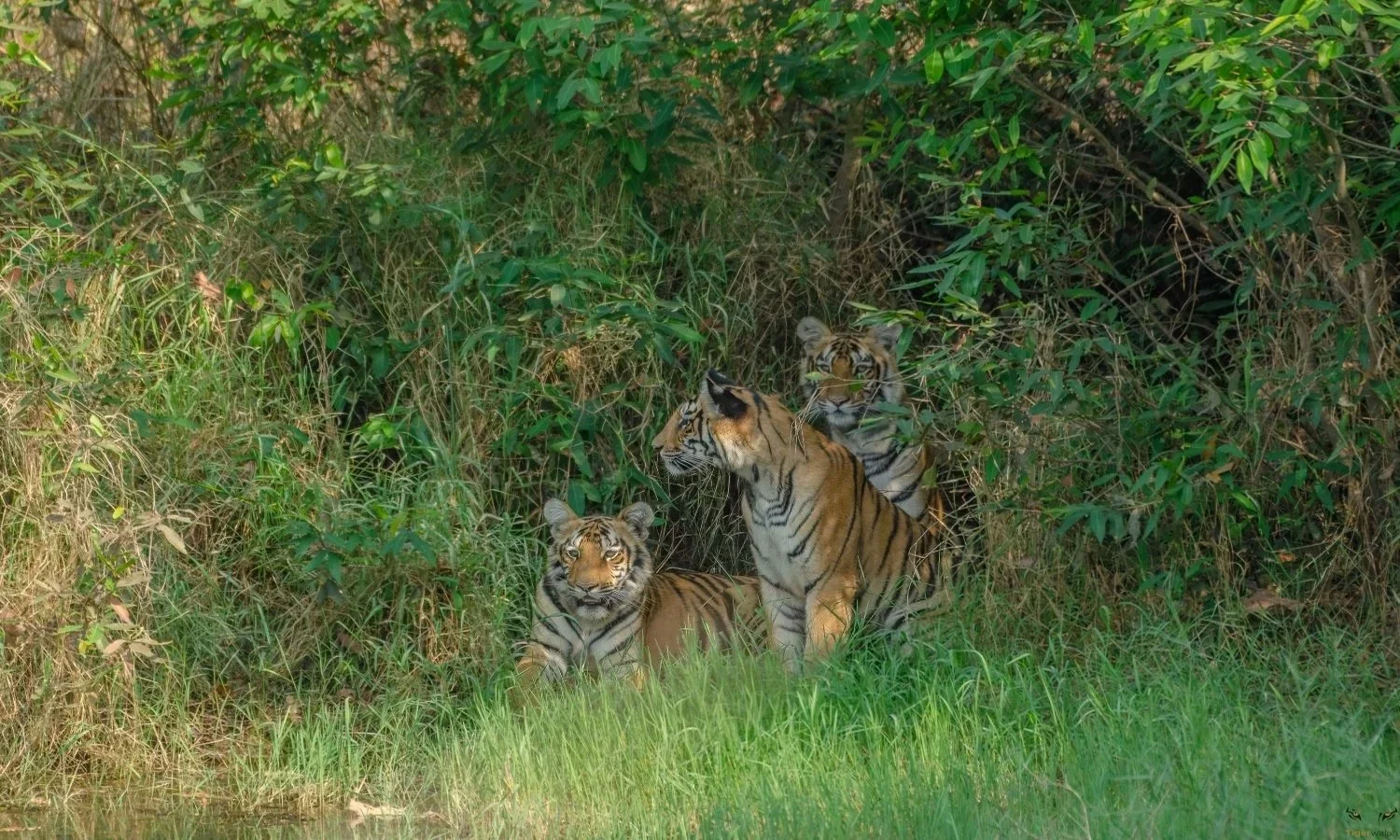
Six tigresses raising cubs, shifting kingdoms, giant dhole packs and 172 barasingha in Satpura, plus the breed...
Sanjay Dubri Tiger Reserve Season End 2025–26
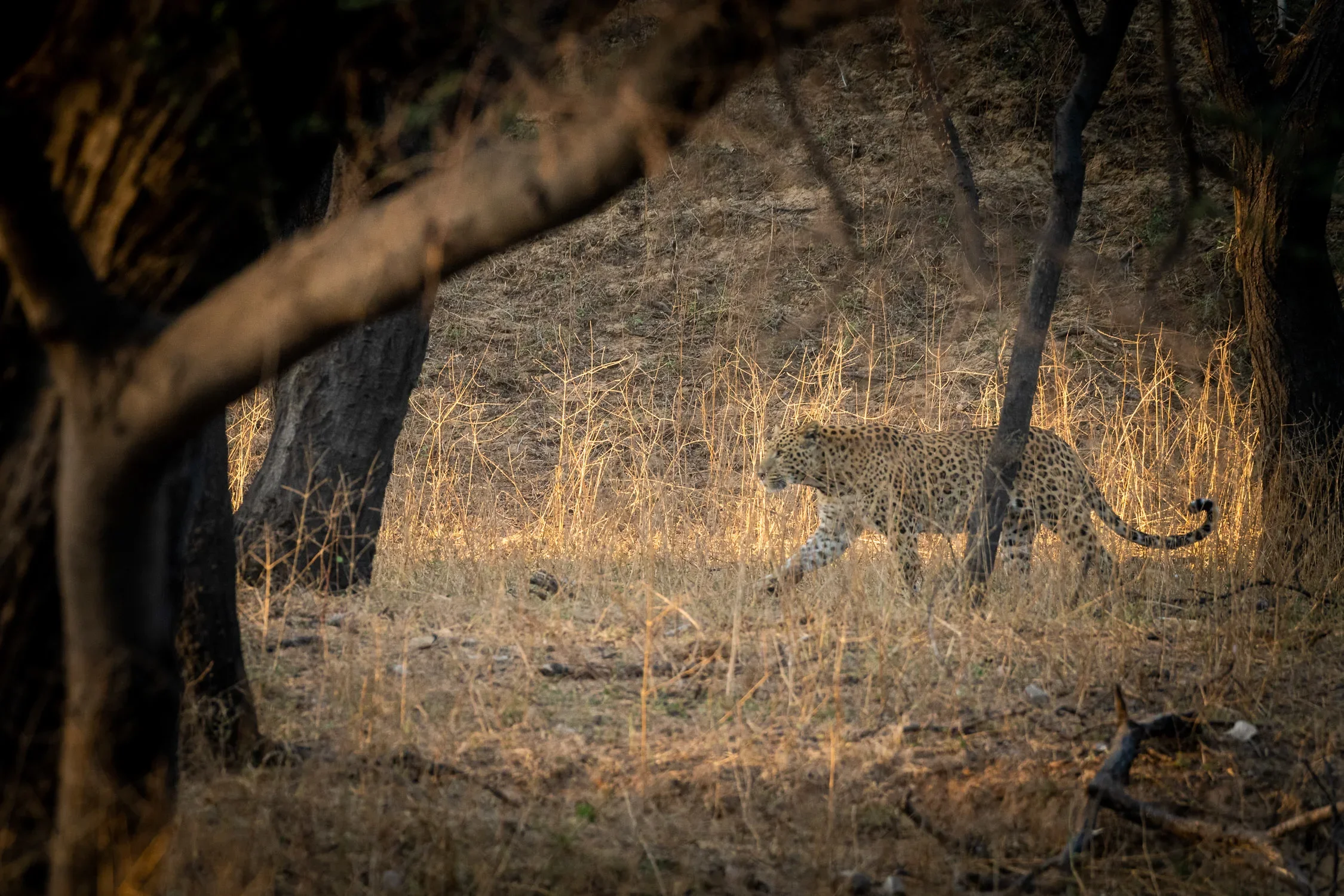
Mausi Maa's legacy, a new king at Mandola Lake, a tiger love triangle and an injured male who refuses to give ...
Naturalist Diaries Pench – Season End 2025–26
From a black leopard that made Mogarkassa famous to the passing of Langdi and X-Mark's takeover of Turia, Penc...
Frequently Asked Questions On Indian Wildlife Safaris & Tours
Planning
Back to FAQ's ↑Q. Why is India a great destination for wildlife tours?
India is one of just 17 mega-diverse countries on Earth, and the only country where the Royal Bengal tiger, Asiatic lion and greater one-horned rhino all live in the wild. Its 58 tiger reserves span ecosystems from Himalayan foothills to tropical dry forests, offering safaris found nowhere else in Asia.
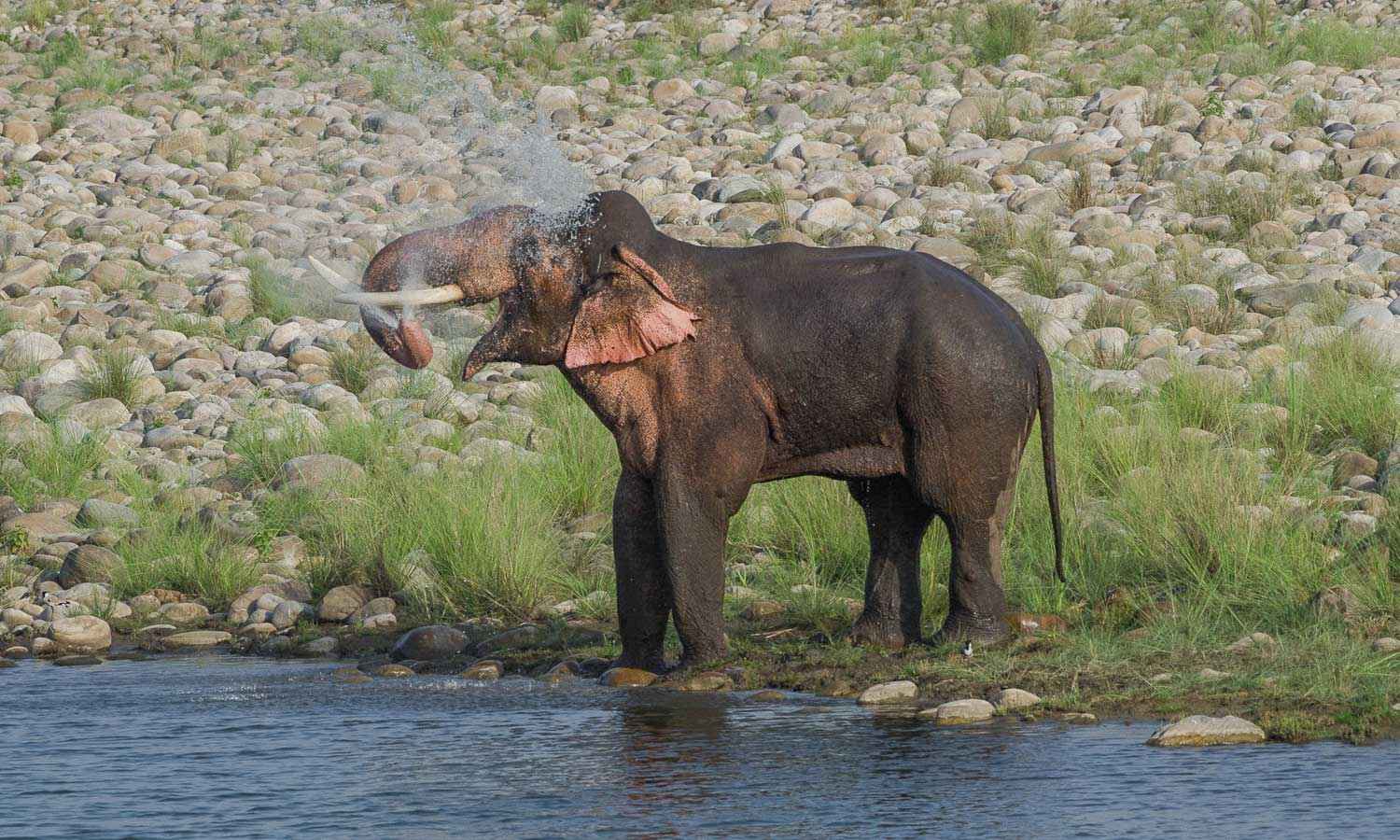
Whether it's tigers in Ranthambore, one-horned rhinos in Kaziranga, snow leopards in Ladakh, Asian elephants in Corbett and Rajaji, or red pandas in Singalila, India delivers extraordinary wildlife diversity within a single country.
Q. Who provides the best wildlife tour packages in India?
Tigerwalah is one of India's most trusted specialist wildlife operators — 16+ years, 7,000+ safaris, 1,500+ tailor-made itineraries, TripAdvisor Travellers' Choice 2024–26 with 98%+ five-star reviews, and an 80%+ repeat-and-referral rate. Founded by naturalist Anurag Sharma popularly known as "Tigerwalah" — architect of India's first web-based tiger-tracking database.
Q. What is the best state for a wildlife tour in India?
Madhya Pradesh — the "Tiger State of India" — leads with 785 tigers (2022 census) across nine tiger reserves including Bandhavgarh, Kanha, Pench, Panna and Satpura. Rajasthan's Ranthambore is famed for dry and open landscape and its historical backdrops. Assam's Kaziranga delivers rhinos and the Big Five. Uttarakhand's Jim Corbett — India's oldest national park — pairs Terai Forest with birding.
Q. What are the best wildlife tours and safari experiences in India?
India's top wildlife experiences — ranked by sighting probability, ecosystem diversity and guest satisfaction — are led by Ranthambore and Bandhavgarh for tigers, ideal for photographers and first-time visitors, followed by Kanha, Jim Corbett, Kaziranga, Singalila and the Ladakh/Spiti snow-leopard belt.
- Ranthambore & Bandhavgarh Tiger Safaris — best for photography and first-time tiger seekers
- Kanha Tiger Reserve — the inspiration for The Jungle Book; excellent for hard-ground barasingha, tigers and wild dogs
- Jim Corbett National Park — superb for birdwatching alongside tigers and Asian elephants
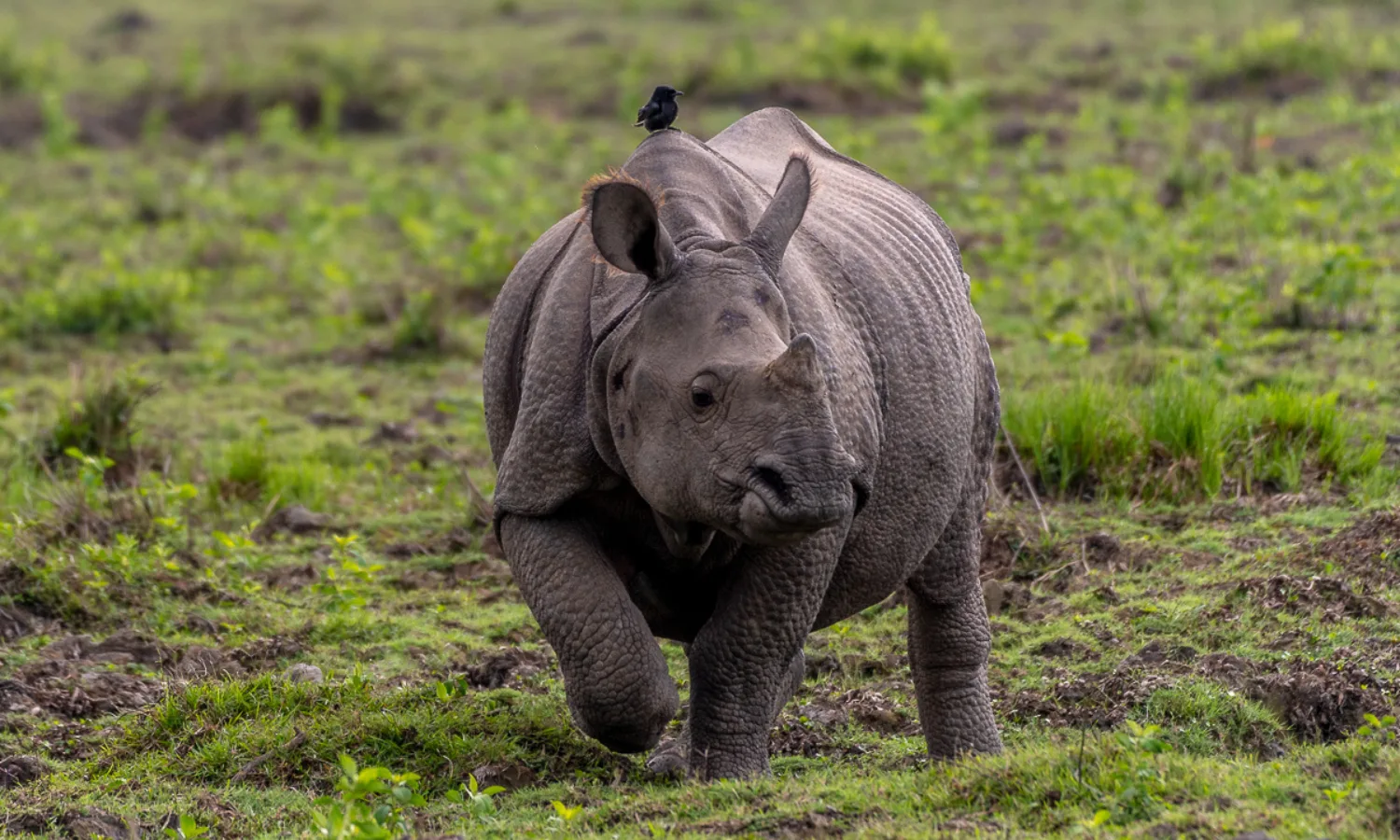
- Kaziranga National Park — 2,600+ one-horned rhinos and the Big Five of India
- Singalila National Park — red panda
- Ladakh & Spiti Valley — snow leopard
Q. What is the best time for a tiger safari in India?
The best time for a tiger safari in India is the dry season, roughly October to June, when most parks are open and thinning vegetation pushes wildlife toward water. April–June (summer) offers the highest tiger-sighting probability, while October–March brings pleasant weather and the best light for photography.
Most parks close during the monsoon (July–September), though a few — like Tadoba's buffer zones and the Sundarbans — stay open. Snow-leopard expeditions in Ladakh run in winter (January–March).
Q. How many days do I need for a tiger safari in India?
Plan a minimum of 3–4 days at a single park for a rewarding tiger safari — enough for 4–6 game drives and a realistic chance of multiple sightings. A week lets you pair two parks (e.g. Bandhavgarh + Kanha); 10–14 days allows a three-park circuit or a tiger-plus-Golden-Triangle journey.
Q. Am I guaranteed to see a tiger on safari?
No reputable operator can guarantee a wild tiger sighting — tigers are free-ranging animals on 1,000+ km² of forest. That said, across past Tigerwalah trips, more than 80% of guests have had at least one wild tiger sighting. The single biggest variable is the number of drives and the quality of the naturalist tracking for you that day.
Q. What is included in a Tigerwalah safari package?
A typical Tigerwalah package includes accommodation, all meals, park entry and jeep safari permits, an expert naturalist guide and driver, and surface transfers from the nearest airport or railway station. Flights and personal expenses are typically excluded and clearly itemised in your quote.
Q. Can I stay inside a national park during my safari?
In most Indian reserves, lodges sit in the buffer or fringe just outside the core zone. A few parks — such as Corbett's Dhikala — offer limited forest rest-house stays inside the park, which book out far in advance. Tigerwalah secures the best-located lodges and the rare in-park stays where available.
Q. Ranthambore or Bandhavgarh — which is better for a tiger safari?
Both are top choices. Ranthambore (Rajasthan) is famed for daytime-active tigers against a dramatic fort-and-lake backdrop and pairs easily with the Golden Triangle. Bandhavgarh (Madhya Pradesh) has one of India's highest tiger densities and a more intimate, forest-focused feel ideal for serious sightings and photography.
Q. Can I combine a tiger safari with the Taj Mahal and Golden Triangle?
Yes — this is one of the most popular routes for first-time visitors. Ranthambore sits within easy reach of the Delhi–Agra–Jaipur Golden Triangle, so you can pair iconic monuments like the Taj Mahal with wild tiger safaris in a single 7–10 day journey.
Q. What wildlife can I see in India besides tigers?
Far more than tigers. India offers one-horned rhinos and the Big Five in Kaziranga, Asiatic lions in Gir, leopards in Jhalana and Jagwai, snow leopards in Ladakh, red pandas in Singalila, Asian elephants in Corbett, plus sloth bears, wild dhole (wild dogs) and over 1,300 bird species.
Permits & Visas
Back to FAQ's ↑Q. How can international travellers plan a wildlife tour in India?
Plan your India wildlife tour with Tigerwalah entirely online. Share your dates, parks and budget — we send a detailed itinerary within 24 hours, covering permits, lodges, transfers and naturalist guides. Airport pickups from Delhi, Mumbai or any major gateway. Pay by international bank transfer or major card. Book 3–6 months ahead for peak season (October–March).
Q. How do safari permits work, and how far in advance should I book?
Safari permits are limited and controlled by each state's Forest Department, with online booking typically opening 90–120 days before the safari date — and the best core-zone slots selling out within hours. We recommend booking 3–6 months ahead for peak season (October–March and summer).
Q. Do foreign tourists need a visa for a tiger safari in India?
Yes. All foreign nationals need a valid passport and an Indian visa — most travellers use the Tourist e-Visa, applied for online before arrival, which commonly allows stays of up to 90 days. A few sensitive border or northeastern areas may require extra permits; we advise you based on your chosen parks.
Safety & Rules
Back to FAQ's ↑Q. Is a wildlife tour safe in India?
Yes — wildlife safaris in India are safe when booked through reputable, licensed operators. Every Tigerwalah safari uses Forest Department-approved vehicles, certified naturalist guides and strict park protocols: no off-road driving, no flash photography and no feeding of animals.
Across 16+ years and 7,000+ safaris, Tigerwalah has maintained an unblemished safety record, handling permits, transport and on-ground logistics so guests can focus entirely on the wild.
Q. How do you choose a wildlife tour in India?
Choosing the right wildlife tour comes down to three things: the species you most want to see, when you're travelling, and your experience level. For first-timers, Ranthambore, Bandhavgarh, Panna, Kanha and Satpura (October–June) offer the most reliable tiger sightings.
For serious photographers, Ranthambore, Corbett, Bandhavgarh or Kanha in February–April offer the best light and tiger activity. For rare-species enthusiasts, Tigerwalah's snow-leopard expeditions to Ladakh run January–March. Share your goals and we'll build a custom itinerary — permits, transport and accommodation included — within 24 hours.
Q. Can I use my mobile phone on a tiger safari in India?
No. As of December 2025, following a Supreme Court of India directive, mobile phones are not allowed during safari drives inside India's tiger reserves — a measure to prevent disturbance and the irresponsible sharing of tiger locations. Cameras remain permitted.
Q. Do I need vaccinations, and what is medical care like near the parks?
Consult your doctor before travelling for current recommendations. Carry all personal medication, as pharmacies near reserves are basic and good hospitals can be 3–5 hours away. Tigerwalah's partner lodges keep first-aid, and we plan around medical access.
Q. Can I get out of the vehicle or walk inside the park?
Generally no — for safety and conservation, guests must remain in the vehicle inside core safari zones. Some reserves offer guided nature walks in buffer areas with permits and a naturalist. Tigerwalah arranges walking experiences where they're permitted and safe.
Photography
Back to FAQ's ↑Q. Does Tigerwalah provide wildlife tours for photographers?
Yes — Tigerwalah specialises in photography-focused safaris and is one of India's few operators with dedicated photo-safari expertise. Our senior naturalists, including founder Anurag Sharma, advise on the best zones, light windows and animal behaviour to maximise your shots.
We secure full-day safari permits (sunrise to sunset) for maximum shooting time, and our Central India full-day safaris are designed specifically for wildlife photographers. Every itinerary adapts to your gear, including vehicle positioning for long lenses.
Cost
Back to FAQ's ↑Q. How much does a tiger safari in India cost?
A tiger safari in India typically ranges from ₹5,000 to ₹50,000 per person per day, depending on the park, lodge category, whether you book a private or shared jeep, the number of safaris, and the season. Tigerwalah offers options from comfortable to luxury, all fully customised.
Key cost drivers: park entry and jeep permits, lodge tier, full-day vs regular safaris, private vs shared safari, season (peak vs shoulder), and trip length. We provide a transparent, all-inclusive quote within 24 hours.
Q. How many safaris should I do to maximise my chances of seeing a tiger?
For a strong chance of a sighting, plan at least 4–6 safaris over 2–3 days in a single park; serious photographers often do 8–12 across 4–5 days. Each drive lasts 3–4 hours, morning and afternoon, and more drives across different zones and light sharply improve your odds.
Packing
Back to FAQ's ↑Q. What should I wear and pack for a tiger safari in India?
Wear neutral colours — khaki, olive, brown, tan — and avoid white and bright shades. Pack layers (fleece, hat and gloves for winter), long-sleeved tops and trousers for sun cover, sturdy closed shoes, binoculars, sunscreen, insect repellent and a refillable water bottle. Winter mornings (December–February) are near-freezing, afternoons hot. We send a season-specific packing list with every itinerary.
Q. What is the difference between a jeep and a canter safari, and which is better?
A jeep is an open 4×4 seating up to six guests plus guide and driver — agile, intimate and ideal for photography. A canter is an open 16–20-seat mini-bus, more economical but less personal. Both reach the same zones; the difference is comfort, flexibility and left-right space, not tiger access.
Family Travel
Back to FAQ's ↑Q. Are children allowed on tiger safaris, and is it suitable for families?
Yes — safaris are a wonderful family experience. Children of all ages are allowed to enter the park, and children below 5 years are not charged. A private jeep is best for families, giving flexibility for breaks across the 3–4-hour drives.
Q. How fit do I need to be for a tiger safari?
Very little fitness is required — tiger safaris are vehicle-based, with guests seated in an open jeep or canter on forest tracks, suiting most ages and abilities. For guests with mobility needs we arrange suitable vehicles and lodges.
Q. Will I have mobile signal and Wi-Fi at the lodges?
Connectivity near national parks is limited and varies by network. Most lodges offer Wi-Fi, but speeds can be slow given the remote locations. It's best to plan for being largely offline on safari days.
Cancellation
Back to FAQ's ↑Q. What is your cancellation and refund policy?
Cancellation terms depend on the season and the permits and lodges booked. Full details are on our Cancellation & Refund Policy page.