
Spiti & Ladakh · Indian Himalaya
Snow Leopard Expeditions in India
On the trail of the Himalayan “grey ghost.”

Quick Facts
- Species
- Snow leopard (Panthera uncia) — IUCN Vulnerable
- Where
- Spiti Valley, Himachal Pradesh (rustic), or Ladakh — Ulley, Rumbak & Mangyu valleys, incl. Hemis National Park (comfortable)
- Best time
- February to mid-April (late January also productive), when prey and leopards drop to 3,000–4,000 m
- Altitude
- 3,000 m to 4,500 m+
- Fitness
- High — prior trekking experience strongly recommended
- Duration
- 8–12 days total (6–9 full days in the field), including acclimatisation
- Group
- Small-group, plus private departures
- Cost
- Foreign nationals typically USD 3,000–7,000 pp (by itinerary); Indian-national pricing on request
- Permits
- Arranged by Tigerwalah; comprehensive travel insurance mandatory
- Population
- ~718 snow leopards in India (2024 SPAI survey); ~477 in Ladakh
The Himalayan World of the Snow Leopard
Built for the one place almost nothing else can live
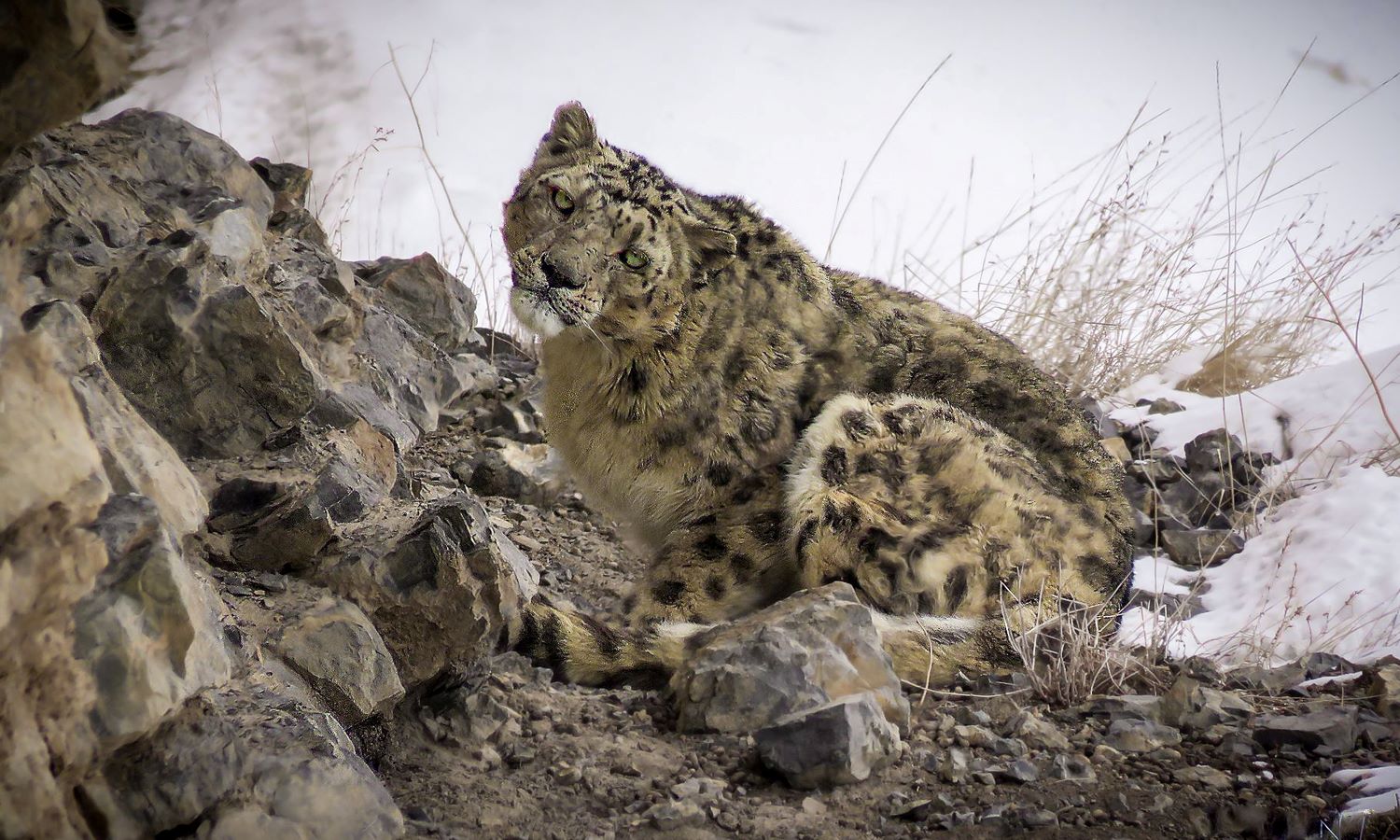
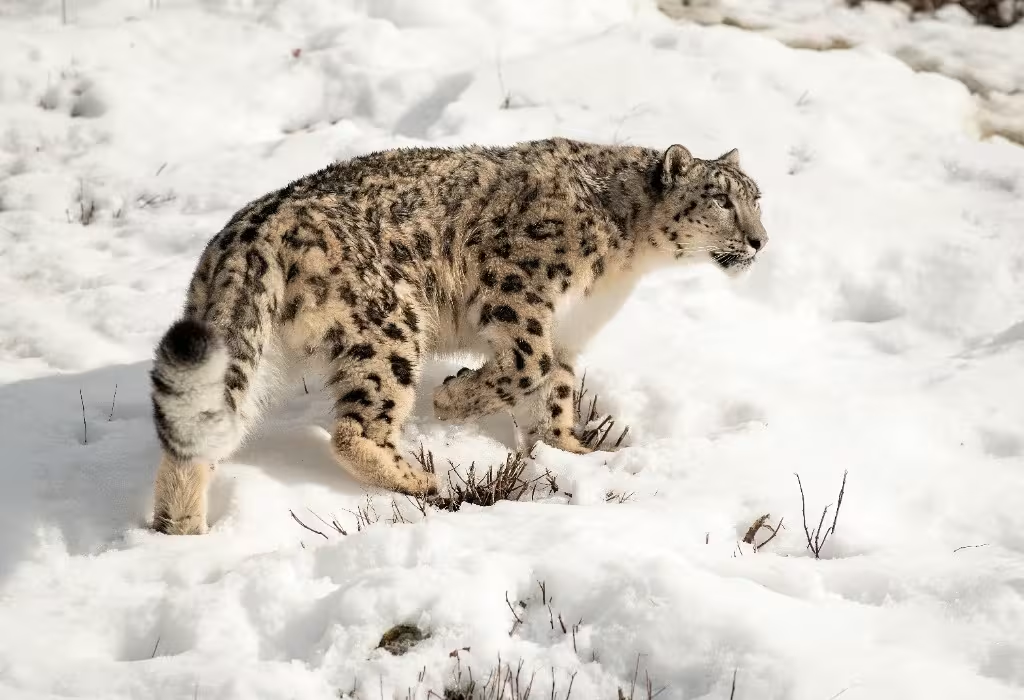
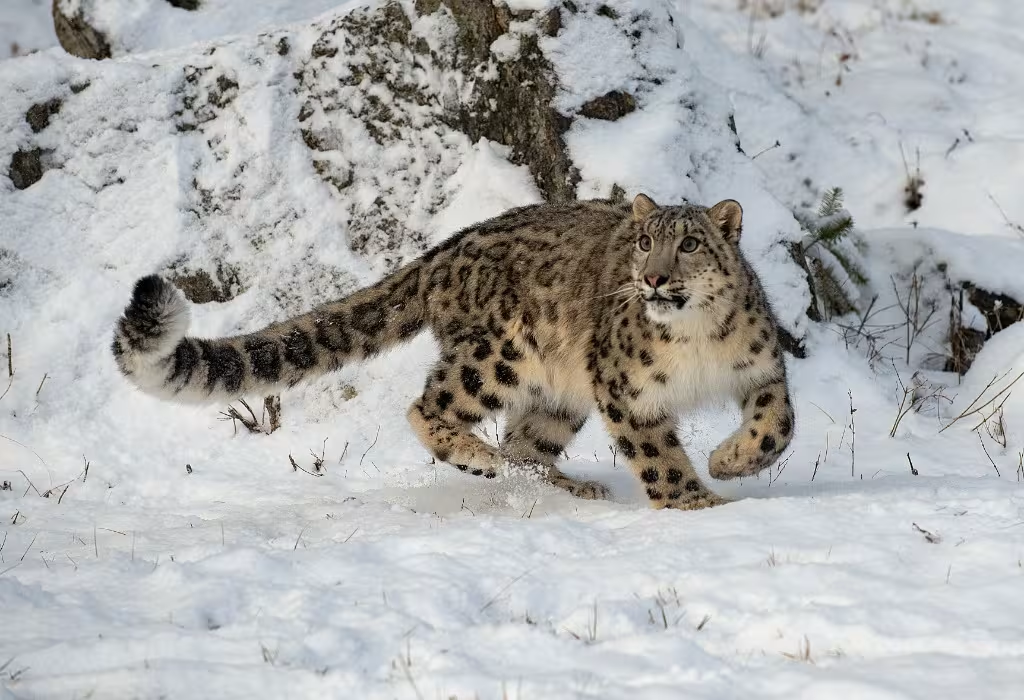
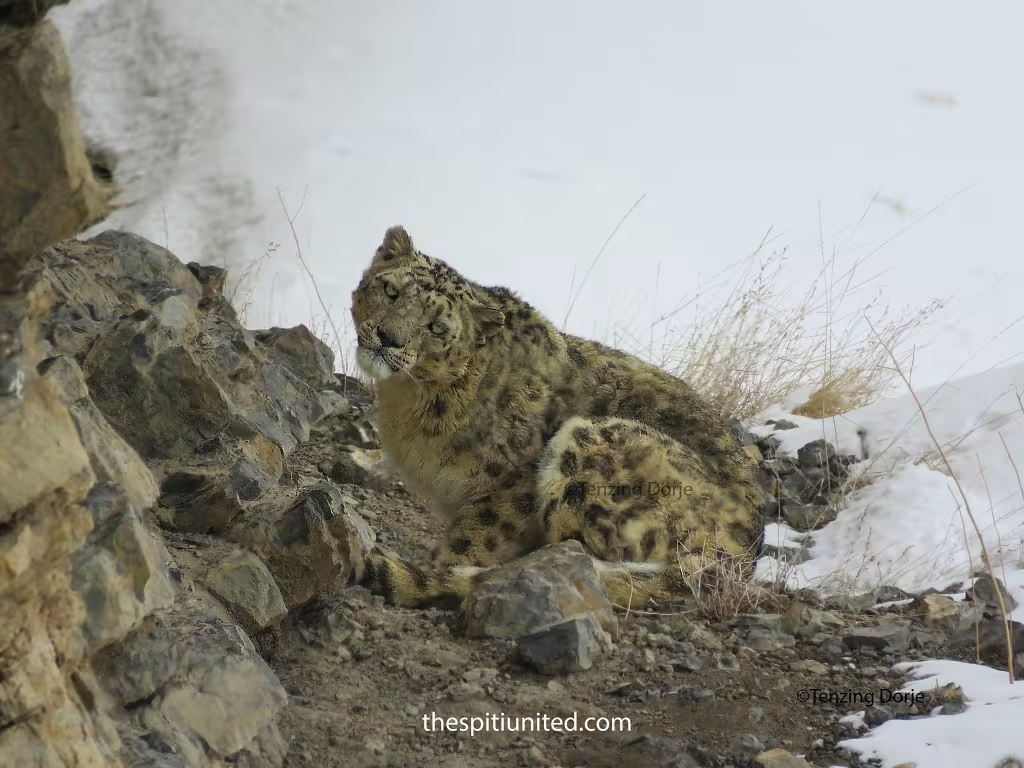
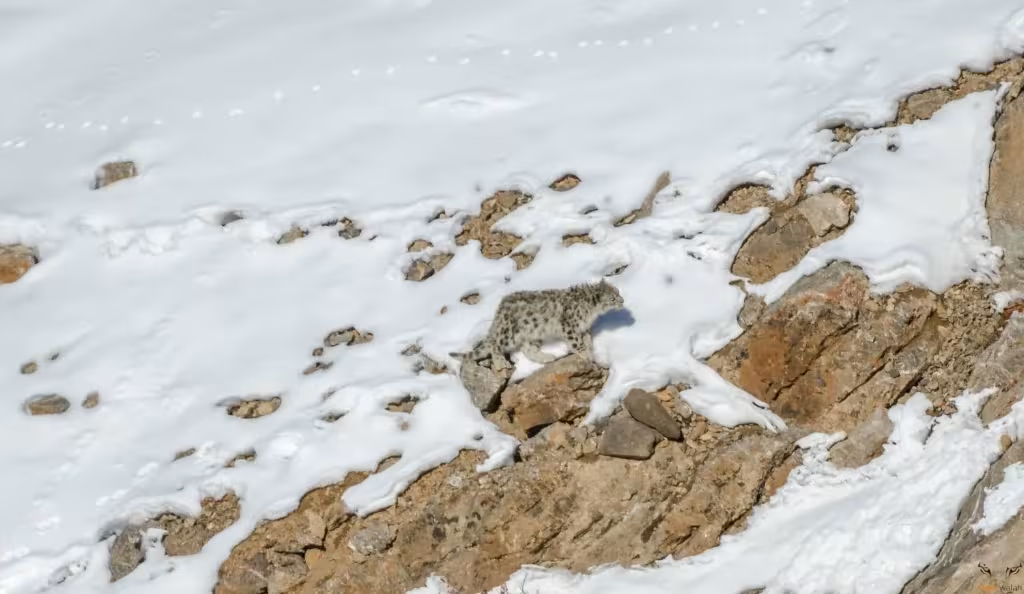
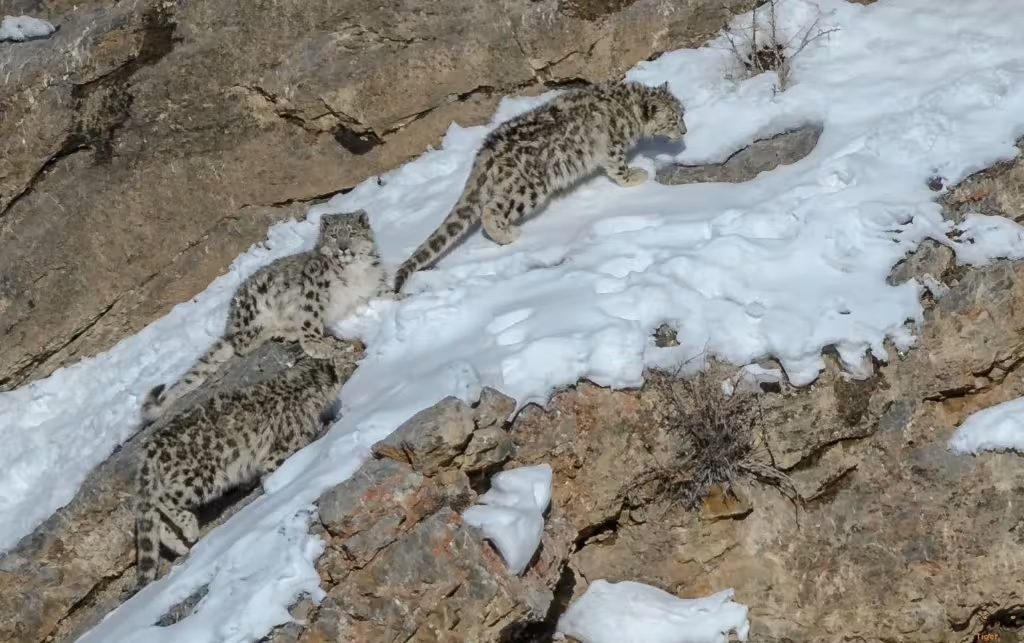
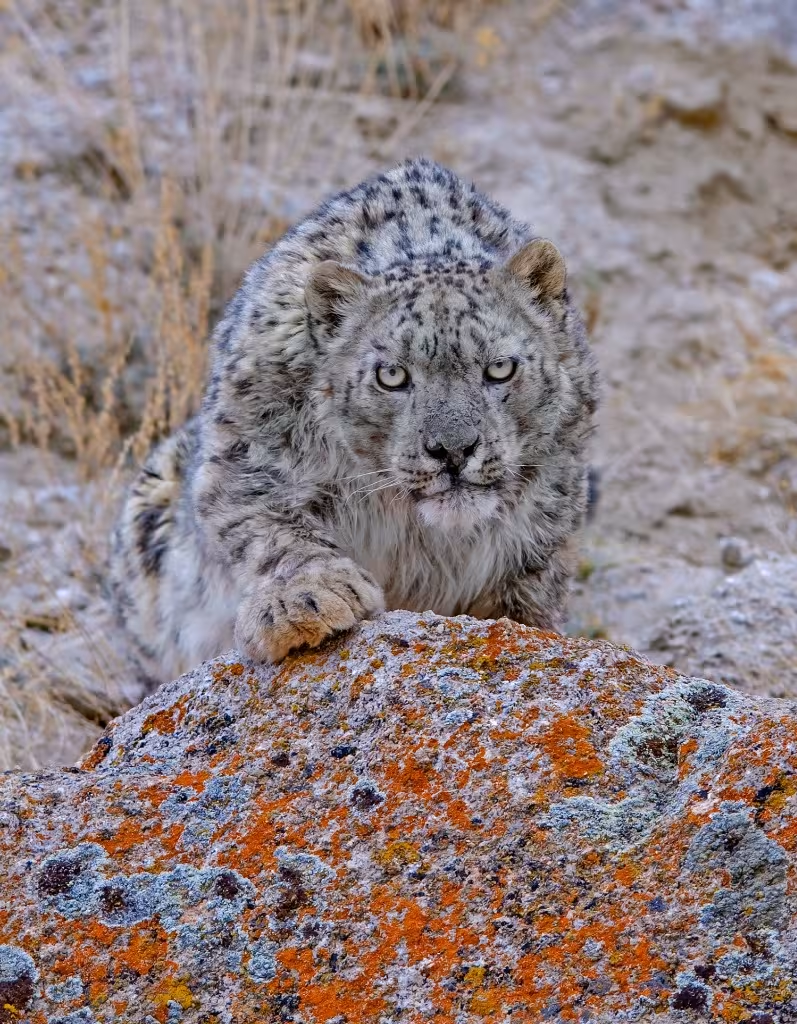
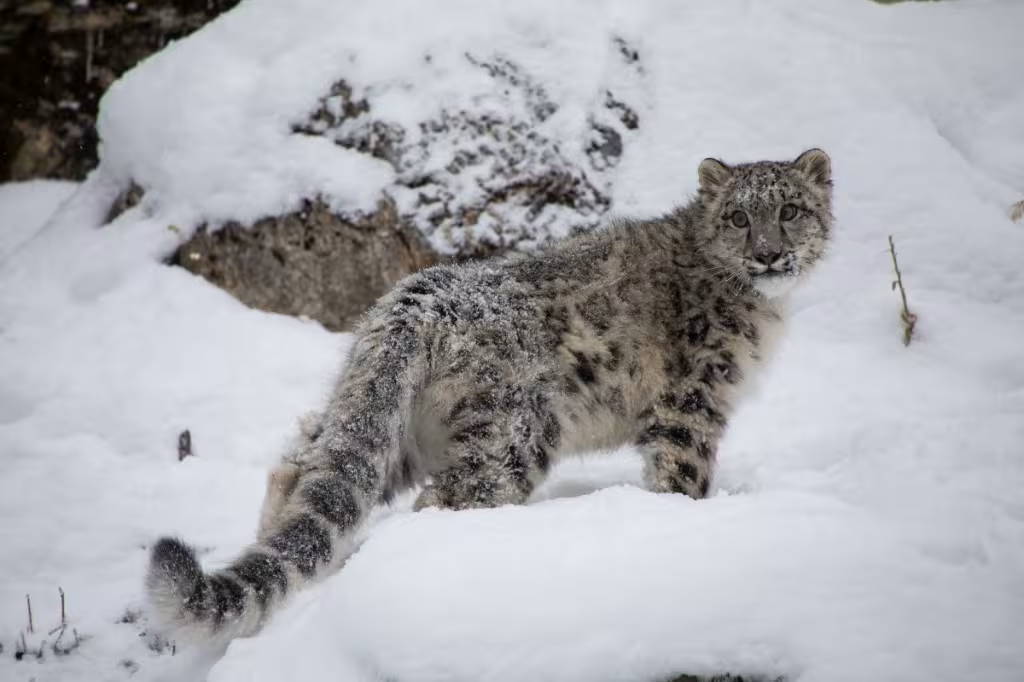
Snow leopards live where almost nothing else can. The high Himalaya — avalanches, months of snow, thin air — is a brutal place to make a living, and the cat is built for exactly it: dense fur for warmth, a long tail for balance on the rock, and wide, padded paws that work like snowshoes. The real trick is the coat. Pale grey and rosetted, it melts into scree and snow, and that camouflage is most of the reason the animal is so hard to find.
Winter is when the odds tip your way. As the cold pushes the leopard’s prey — blue sheep (bharal) and ibex — down from above 5,000 m to around 3,000–4,000 m, the cats follow, which brings them within range of a spotting scope from the valley floor. It’s also the best time for the rest of the high-altitude cast: Siberian ibex, blue sheep, the occasional Tibetan wolf or red fox, and raptors like the Lammergeier (bearded vulture) and golden eagle working the ridgelines.
Best Time to Visit
The window
Snow leopard expeditions run in the depth of winter — the strongest window is February to mid-April, with late January also productive. As the cold pushes the leopard’s prey (blue sheep and ibex) down to the lower valleys, the cats follow, bringing them within range of a spotting scope. It’s cold, high and demanding, and that’s the trade-off: the same hard conditions that make it a challenge are exactly what make the sightings possible.
Our Two Snow Leopard Destinations
Both give you real time on the ridges with local spotters. They differ in comfort, access and character.
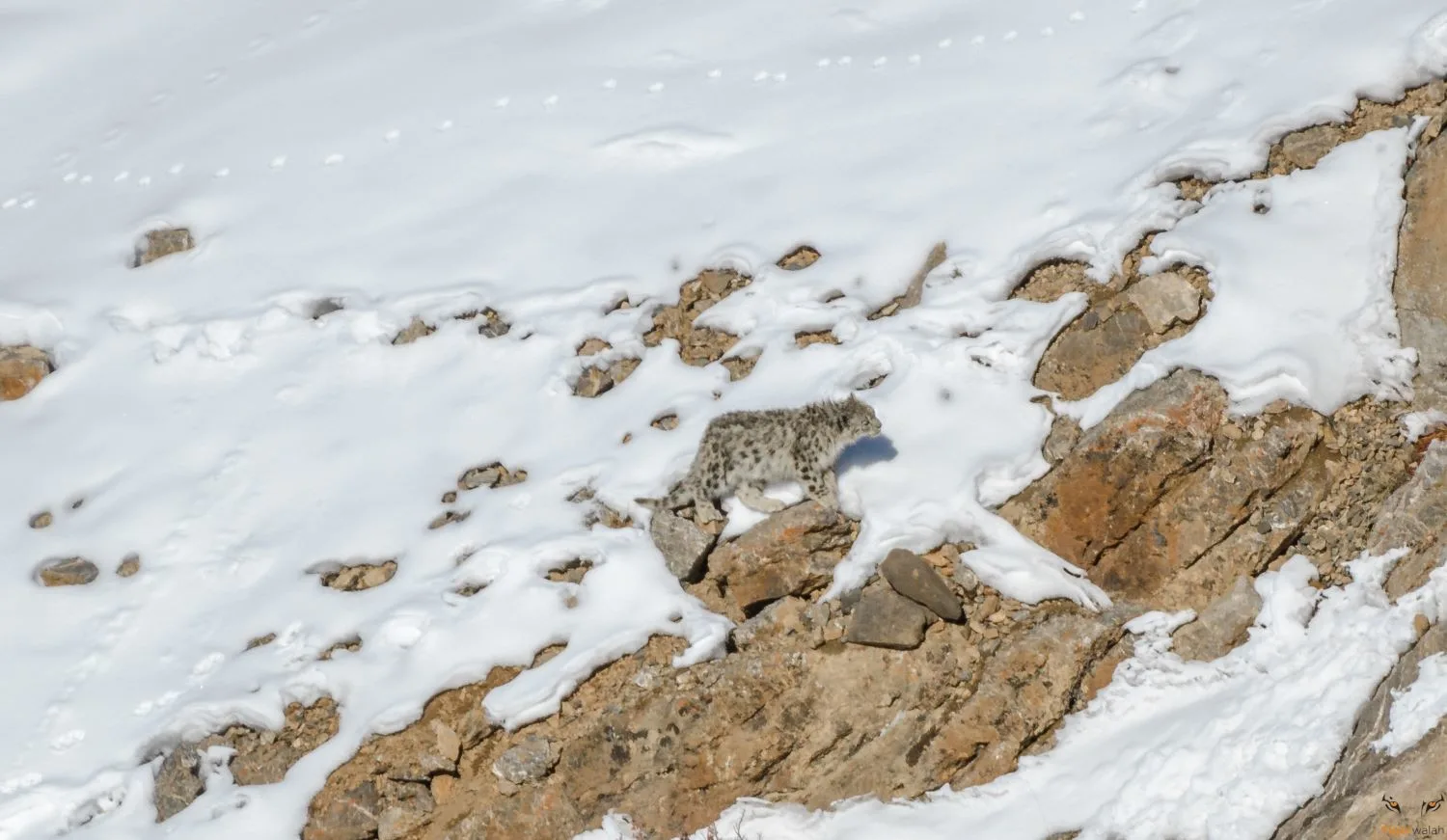
Spiti Valley · The rustic immersion
Spiti Valley, Himachal Pradesh
Spiti is the raw version: a high, cold desert of dramatic, empty landscapes, ancient monasteries and remote villages like Kibber and Chicham. You stay in traditional homestays, eat what the family cooks, and track hard. It’s the more authentic, less-commercial experience — and usually the more budget-friendly one.
Best for: adventurous travellers, trekkers, and anyone who wants the culture and the challenge as much as the cat.
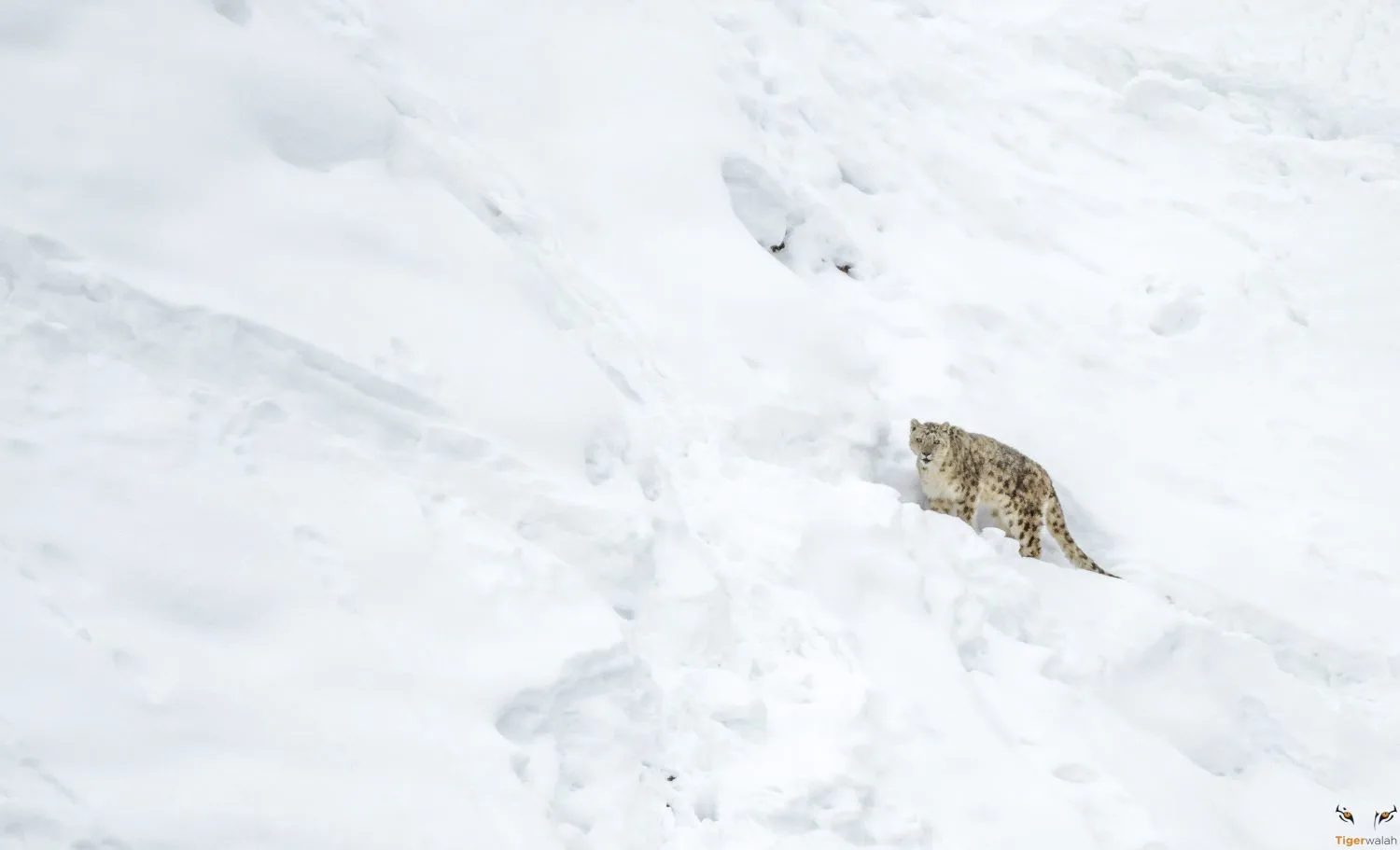
Ladakh · Comfort in the mountains
Ladakh — Ulley, Rumbak & Mangyu
In Ladakh we don’t lock you to one spot. We track across a cluster of valleys and move to wherever recent sighting trends are strongest — a real edge when you’re after an animal this unpredictable. Rumbak sits inside Hemis National Park, the most famous snow leopard habitat in the world; Ulley and Mangyu are quieter valleys in the Sham region. You stay in comfortable wildlife lodges with proper heating, work with professional spotters, and reach the tracking areas on a shorter drive from Leh.
Best for: photographers and travellers who want the adventure without giving up comfort.
Spiti vs Ladakh — Which One?
| Spiti Valley | Ladakh (Ulley / Rumbak / Mangyu) | |
|---|---|---|
| Style | Rustic, authentic Himalayan immersion | Comfortable, refined wildlife-lodge experience |
| Stay | Traditional homestays (Kibber, Chicham) | Specialised wildlife lodges, better amenities |
| Best for | Adventurous trekkers, culture seekers | Photographers, comfort-first travellers |
| Access | Rugged, remote village access | Shorter, easier drive from Leh |
| Spotters | Local trackers and homestay hosts | Professional spotters with scopes |
| Budget | Usually more budget-friendly | Premium, for the added comfort |
Not sure which fits? Tell us your priorities — comfort, budget, fitness, photography — and we’ll point you to the right one.
Help me choose →Why Tigerwalah
We care about more than the tick on the list. We build these trips to be well-run, ethical and genuinely expert.
Expert local teams
Our expeditions are led by local guides and spotters who’ve spent years reading this exact terrain and know how the cats use it. That knowledge is the difference between scanning an empty slope and finding the one grey shape on it.
Ethical, low-impact tracking
We keep our distance, keep groups small and follow responsible-viewing rules, so the wildlife isn’t disturbed. The trackers, guides and homestays we use are local, so your trip puts money directly into the communities that live alongside these animals.
Two destinations, your way
With both Spiti and Ladakh on offer and full freedom to customise, we match the trip to what you actually want out of it.
End-to-end support
From your first enquiry to your flight home, we handle the logistics, brief you properly on acclimatisation, and stay reachable 24/7.
TripAdvisor Reviews
Frequently Asked Questions
Answers to the questions we’re asked most about tracking the snow leopard. If yours isn’t here, get in touch.
About the Snow Leopard
What is a snow leopard, and why is it so hard to find?
The snow leopard (Panthera uncia) is a big cat of the high mountains of Central and South Asia, nicknamed the “grey ghost” for its near-perfect camouflage against rock and snow and its shy, solitary habits. It stays high, moves alone, and blends into the scree — which is exactly why finding one takes expert local spotters and patience.
Where can I see snow leopards in India?
We run expeditions in two areas. Spiti Valley in Himachal Pradesh is the rustic, homestay-based option. In Ladakh we track a cluster of valleys — Ulley, Rumbak (inside Hemis National Park) and Mangyu — moving to wherever sightings are strongest, from comfortable wildlife lodges. Both sit in the snow leopard’s core winter range, with expert local spotters.
Are snow leopards endangered?
They’re listed as Vulnerable by the IUCN, with a global population of only a few thousand and threats from habitat loss, reduced prey and poaching. India holds around 718 of them (2024 government survey), most in Ladakh. Our trips channel income to the local communities and trackers who help protect them.
What other wildlife might I see?
Alongside the snow leopard, look for Siberian ibex, blue sheep (bharal), Tibetan wolf and red fox, plus raptors like the Lammergeier (bearded vulture) and golden eagle. Winter concentrates all of it at lower, more visible elevations.
Fitness, Altitude & Conditions
How hard are the treks?
These are demanding expeditions at high altitude (3,000 m to 4,500 m+) in deep cold. You’ll be out on rough terrain for long, patient stretches. A good level of fitness and some prior trekking experience are strongly recommended.
What about altitude sickness?
It’s a real concern at these elevations, so our itineraries build in proper acclimatisation days before the trekking starts. Talk to your doctor about preventive medication before you travel, and let us know of any health conditions so we can plan around them.
What should I pack?
Serious cold-weather kit is essential: layered thermals, a down jacket, waterproof outer shell, insulated waterproof boots, gloves, a warm hat, sunglasses and high-SPF sunscreen for the glare off the snow. Bring binoculars and a camera with a zoom lens. We send a full packing list when you book.
How is safety handled?
Safety comes first at these altitudes. Expeditions are led by guides trained in mountain safety and first aid, we build in acclimatisation and carry emergency protocols, and comprehensive travel insurance is mandatory for every traveller.
Is this trip suitable for children?
Generally no. The extreme cold, high altitude and long, patient days make these expeditions unsuitable for young children; they’re best for fit adults. If you’re travelling with older teens in good condition, talk to us and we’ll give you an honest view.
Sightings
How do you maximise the chances of a sighting?
We work with the best local spotters, who know the cats’ territory and behaviour intimately and share a network of daily sightings across the valleys. They use high-powered spotting scopes to scan the slopes from a distance. Sightings are never guaranteed with a wild animal this elusive — but this is how you tip the odds.
What if we don’t see a snow leopard?
No wild sighting is ever guaranteed — these cats are genuinely elusive — but both Ladakh and Spiti offer among the best snow leopard odds in the world, and success rates on well-run February–April expeditions are high. Even on the rare trip without a sighting, you come away with dramatic Himalayan landscapes, other rare high-altitude wildlife and a real immersion in mountain life.
Planning & Timing
When is the best time for a snow leopard expedition?
The strongest window is February to mid-April, with late January also productive. In the depth of winter the snow leopard’s main prey — blue sheep and ibex — drops to the lower valleys around 3,000–4,000 m, and the cats follow, which against the snow makes them far easier to spot. It’s cold and high, but that’s exactly what makes the sightings possible.
How long is a snow leopard expedition?
Plan for around 8–12 days in total, including acclimatisation and 6–9 full days in the field — and more field days meaningfully improve your odds. Tell us your dates and preferred destination, and we’ll share the full day-by-day itinerary.
Should I choose Spiti Valley or Ladakh?
Choose Spiti for a rustic, budget-friendlier, culturally immersive trek with homestay stays; choose Ladakh (Ulley) for more comfort, wildlife lodges, professional spotters and easier access from Leh. Both offer strong sighting chances with expert local trackers — it mainly comes down to comfort and budget.
What’s the group size?
We run small-group departures, with private departures also available. Small groups keep the tracking effective and the experience personal — tell us your dates, and we’ll confirm the exact numbers for that departure.
Logistics, Stay & Permits
What accommodation should I expect?
It depends on the destination. In Spiti, cosy traditional homestays with home-cooked food and basic comfort. In Ladakh (Ulley, Mangyu or Rumbak), more comfortable wildlife lodges with better heating and amenities, set up for wildlife travellers. Both are warm and welcoming.
Is there mobile signal or Wi-Fi?
Barely, and often none. Connectivity in the remote valleys of Spiti and Ladakh — Kibber, Chicham, Ulley — ranges from patchy to non-existent. Plan to be largely offline during the expedition, and tell family in advance.
Do I need permits?
Yes — entry to these protected high-altitude areas usually needs permits, and Tigerwalah arranges all of them as part of your package. We’ll confirm exactly what your route requires.
Cost & Community
How much does it cost?
For foreign nationals, prices typically run USD 3,000–7,000 per person depending on the itinerary, destination (Spiti or Ladakh) and season. Indian-national pricing is available on request. Tigerwalah sends a clear, all-inclusive quote within 24 hours of your enquiry.
What’s the role of local communities?
They’re central — to the trip and to the conservation of the species. We hire local guides and spotters and use local homestays and lodges, so protecting snow leopards becomes something the community earns directly from, not despite.
Get In Touch
Ready for an adventure? We're here to help.