?> Experiential Learning Programs in India for Schools | Tigerwalah
Week Without Walls

Week Without Walls:
Outdoor Experiential Learning for Children

In short: Week Without Walls is Tigerwalah's outdoor experiential learning programme for children aged 8–13 — learning that happens beyond the classroom, out in the real world.

Over 5 to 7 days, children learn by direct experience across four connected threads: the natural world (wildlife, ecology and conservation); community (meeting and working alongside people in India beyond the big cities); culture (local art forms, crafts and ways of life); and climate (seeing first-hand how a changing environment affects real ecosystems and the communities that depend on them).

It runs most often inside India's wildlife reserves — we've held editions in Kanha, Ranthambore, Corbett, Pench and the Sundarbans — and can be designed around other natural and rural settings. It's led by professional naturalists, run in small groups, and delivered by a 16-year, fully accredited operator. The aim is simple: to turn city children into advocates for nature and wildlife, for life.

  • 16+ years in the field (founded 2010)
  • 7,000+ safaris run
  • 1,500+ tailor-made itineraries
  • Accredited: ATOAI · TOFT · IATO
  • TripAdvisor Travellers' Choice

Learning that happens beyond the classroom walls

There's a kind of learning that only happens outside — and it doesn't happen anywhere else. A child who tracks a deer through a forest, sits with a village craftsperson watching their hands work, or sees for themselves how an erratic monsoon has changed the lives of people living beside it, understands the world in a way no textbook delivers. Week Without Walls is built around that idea: taking learning out of the classroom and into the real world, where children learn by doing, watching and meeting — not by being told.

This is Tigerwalah's outdoor experiential learning programme for children aged 8 to 13. Over five to seven days, it's designed in equal parts for wonder, real education, and the quiet confidence that comes from spending proper time outside a familiar bubble. India's wildlife reserves are the most powerful classroom we know, which is where most editions run — but the learning reaches well beyond the animals, into the land, the people and the pressures shaping both. The children who come back are a little more observant, a little more grounded, and considerably harder to impress with a screen.

What the programme actually looks like

Week Without Walls is not a holiday with a few nature activities bolted on. Every day has a structure and every activity has a purpose — but it never feels like school.

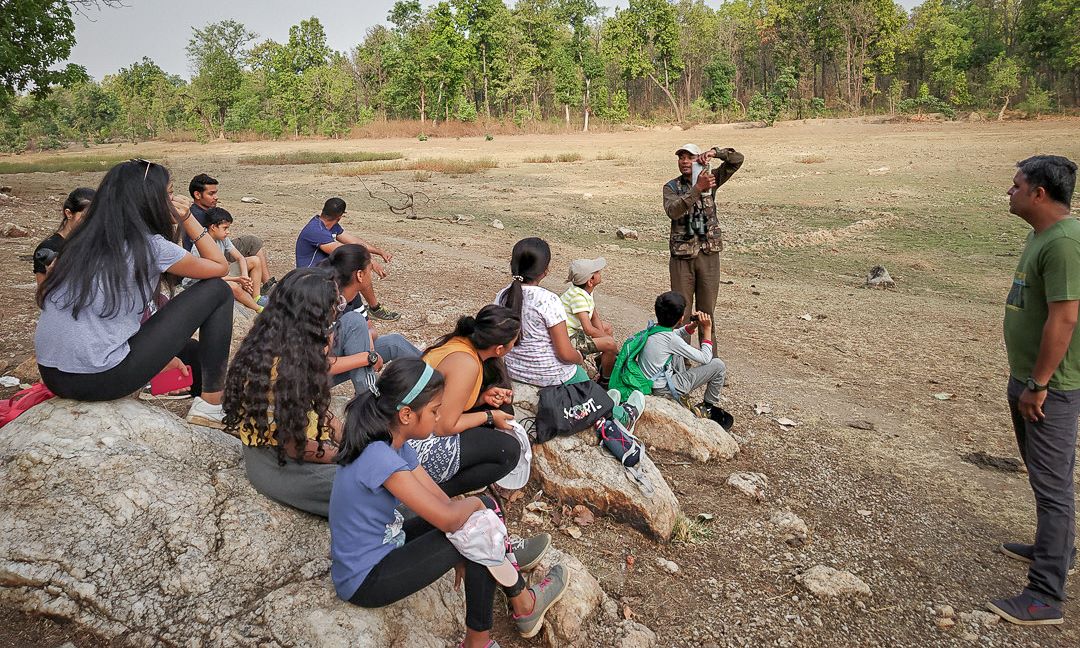
A typical day starts before sunrise with a guided nature walk, reading signs in the landscape before the heat sets in. In a wildlife-reserve edition, mid-morning brings a jeep safari into the core zone — a real safari, the same standard Tigerwalah runs for adult guests, with the same quality of naturalist guiding. Afternoons might move to a structured ecology session, a visit to a nearby community, or time with a local artisan learning how something is made by hand. Evenings are for reflection — journals, questions, and the kind of conversation that only happens when there's no Wi-Fi and the real world right outside the window.

The activities shift with the setting and the season, but the thread through every edition is the same: children learning to pay attention — to nature, to people, and to how the two depend on each other.

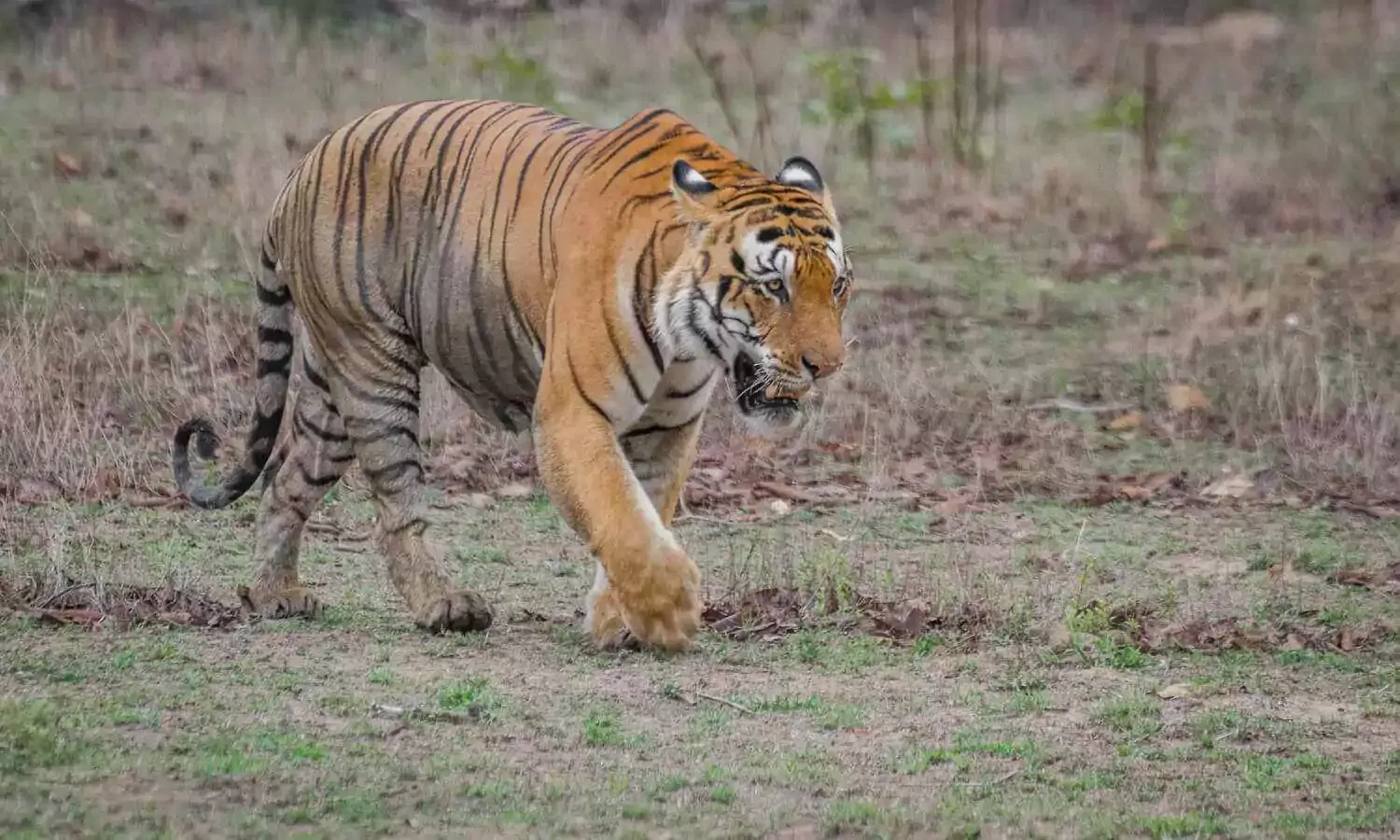
Tiger image 1 Tiger image 2 Tiger image 3

Four kinds of learning in one week

The specifics flex with the setting, but the habit that carries across all four is the same: close attention, real curiosity, and the beginnings of ecological and social awareness.

01

Nature and ecology

The foundation of every edition. Children learn to identify common birds and mammals by sight and sound, read animal signs like tracks and scat, explain a food chain in their own words using animals they've actually seen, and describe why apex predators like tigers matter to the health of a whole ecosystem.

02

Community and the real India

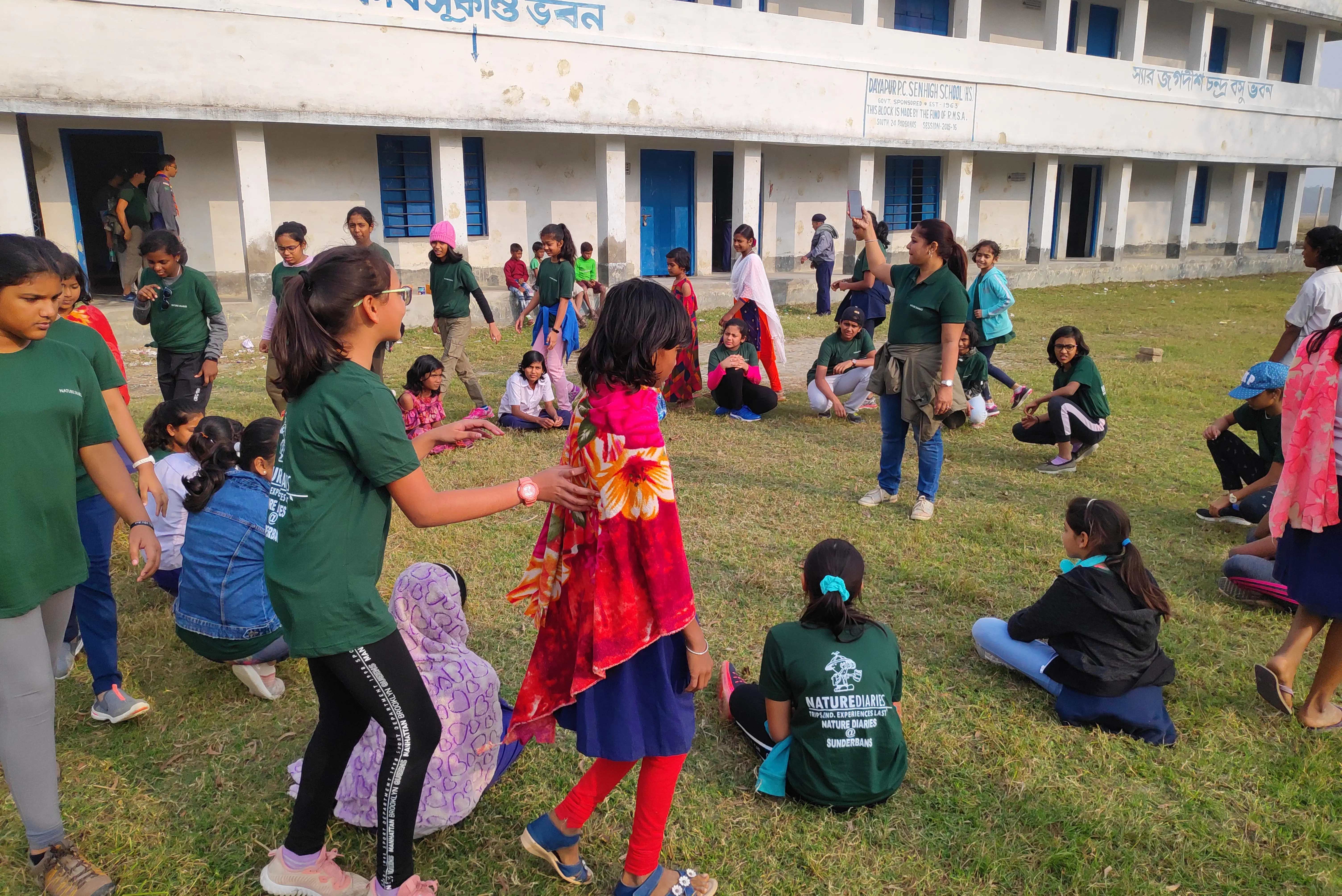
Most of the children who join us grow up in cities. Week Without Walls takes them into India beyond the metros — and does it as equals, not as observers. In past editions children have spent time with local schoolchildren, playing games in deliberately mixed teams, and have rolled up their sleeves for real community work — like helping build smokeless chulhas in homes that still cook over open wood fires. It's a small, concrete act with a real payoff: cleaner air indoors, and less firewood pulled from the forest.

03

Local culture and craft

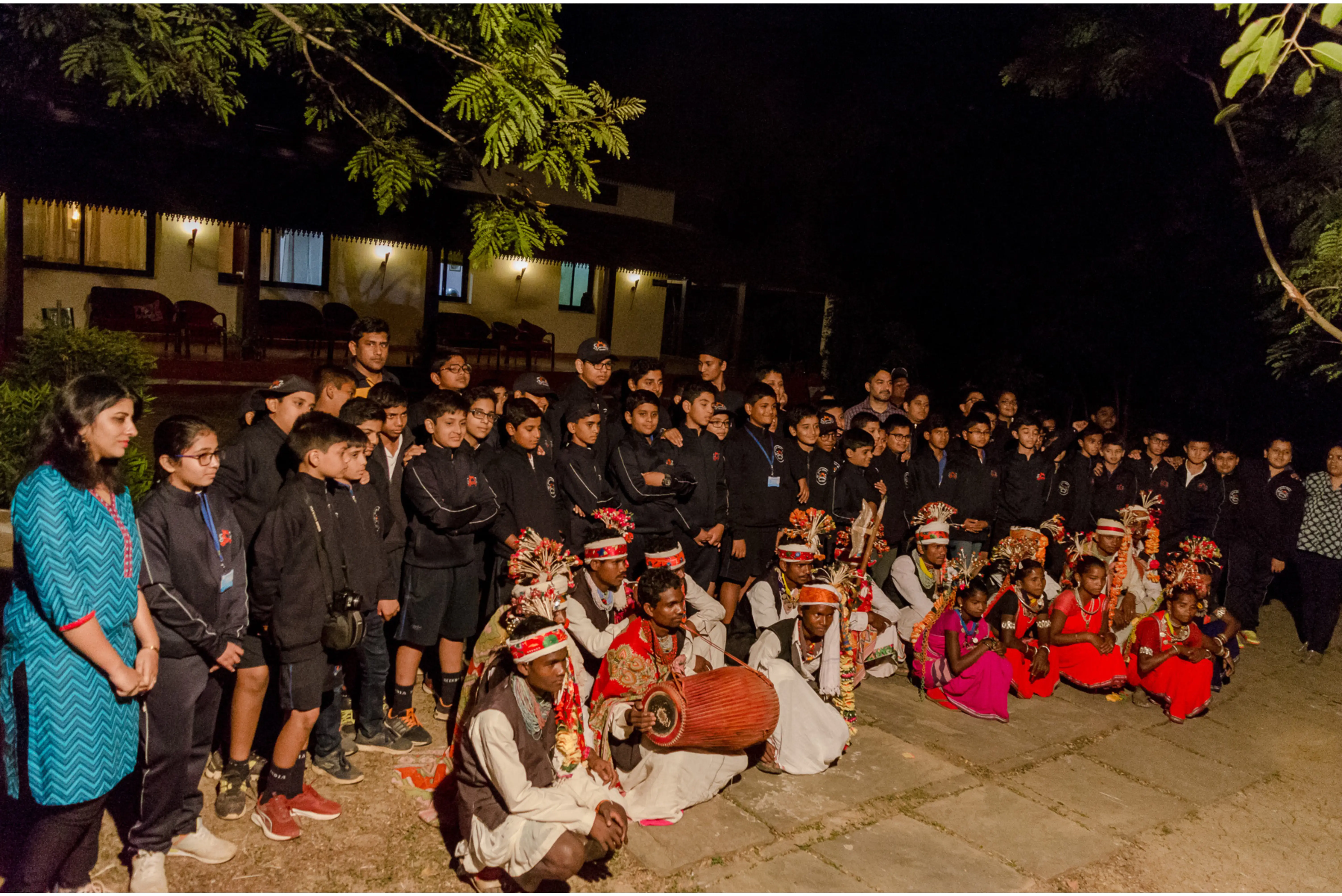
Every region we work in has its own crafts, foods and traditions, and children learn them by doing rather than watching. In Kanha, past groups have joined a tribal jewellery-making workshop with Baiga artisans — not a performance staged for tourists, but a genuine window into a living craft, made possible because we work with the same communities year after year.

04

Climate change and conservation

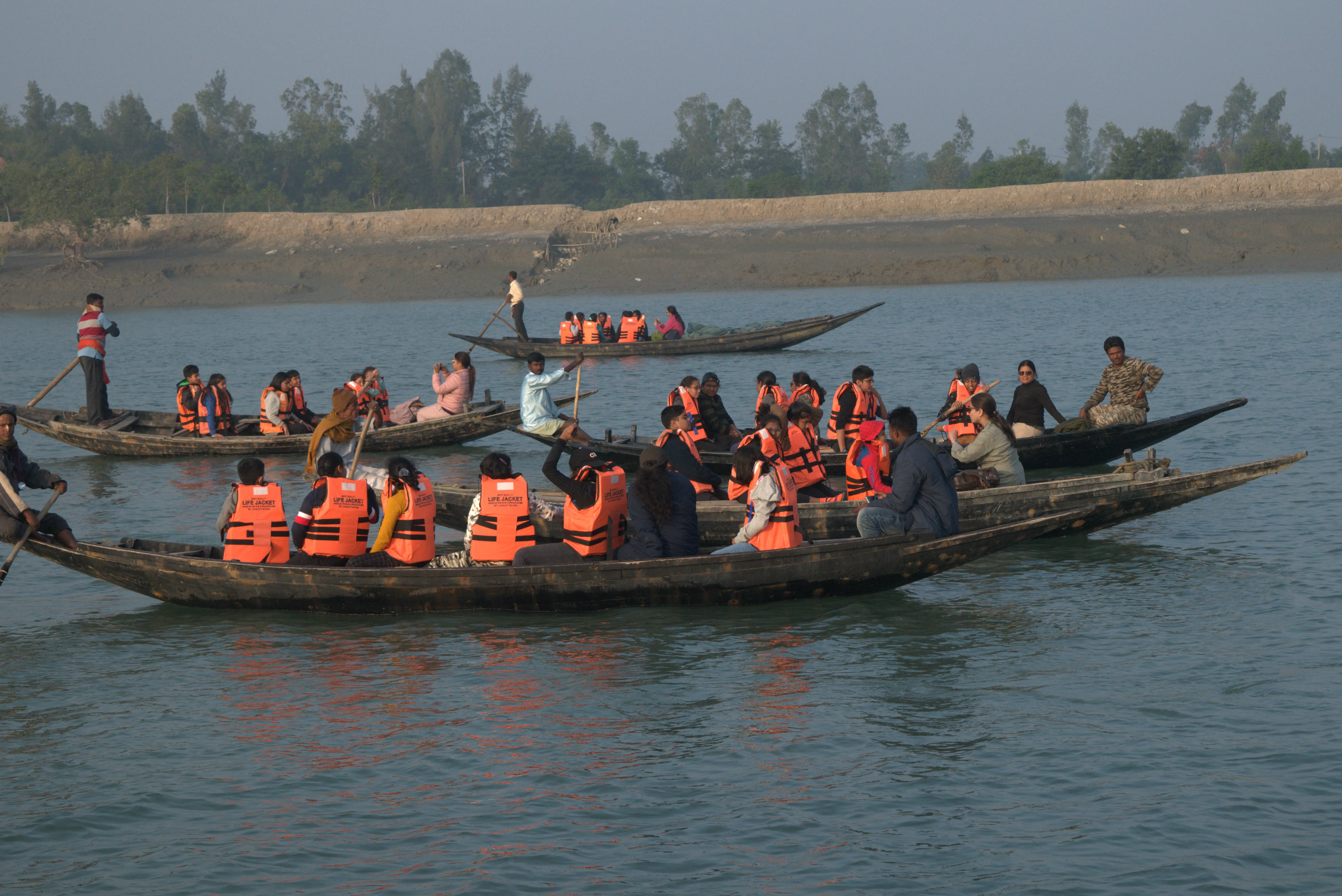
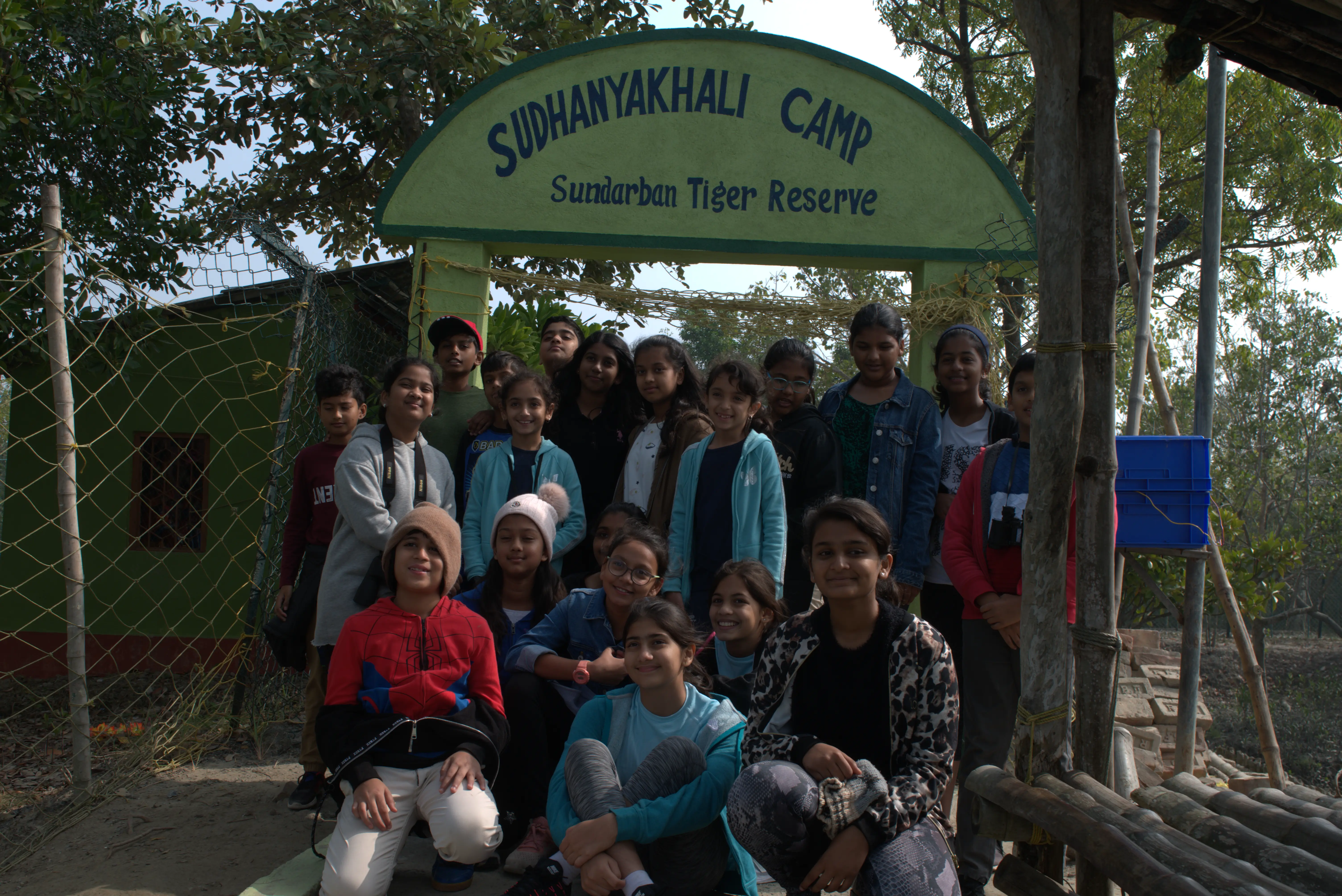
Children arrive having read about global warming; they leave having met people living through it. In the Sundarbans, we facilitate conversations with families whose lives are shaped by cyclones and by man–animal conflict — people who share a shrinking, storm-battered landscape with tigers. Hearing it first-hand turns an abstract idea into something a child understands in their gut, and cares about for good.

What children take home

The goal was never a checklist of facts. It's to turn city children into advocates for nature and wildlife — for life. That shows up in small, practical ways that stay with them long after the trip: not wasting water, food or electricity, and understanding how those everyday habits actually help protect the environment and the wildlife that depends on it.

And it shows up as a real appreciation for local communities and their ways of life — a sense of how people have lived in harmony with nature for generations, and how much the rest of us have to learn from them. They also come home more observant, more independent, and better at working as part of a group — a little changed by having spent real time outside their usual world.

Tiger image 1 Tiger image 2 Tiger image 3

Where we run the programme

The programme is delivered wherever a real setting can carry the learning. We've run Week Without Walls editions in Kanha, Ranthambore, Jim Corbett, Pench and the Sundarbans — most of them rich wildlife reserves with living communities on their edges, each a different forest with a different story.

Children exploring nature in Kanha National Park

Kanha National Park

The Jungle Book reserve, and our most popular Week Without Walls setting. Dense sal forest, open meadows, a tiger population that makes safari sightings genuinely likely, and Gond and Baiga communities on its fringes whose lives are woven into the forest. Kanha's well-run infrastructure also makes it one of the most practical bases for a school group.

Mangrove forest ecosystem in the Sundarbans

The Sundarbans

A completely different world: mangrove forest, tidal channels, rarely-seen but ever-present Bengal tigers, and one of the clearest places on earth to understand climate change, where rising seas and cyclones directly shape how communities live. The Sundarbans edition is as much about people and a threatened habitat as it is about any single species.

Rural landscapes and community learning in India

Other settings on request

Because Week Without Walls is a learning programme rather than a fixed safari product, we also design editions around other environments and communities — foothills and mountains, wetlands, coast and grassland — depending on the group's curriculum focus, age range and travel constraints. Tell us what you have in mind and we'll build the right programme around it.

Who this is for

Schools and international programmes. Week Without Walls maps naturally onto environmental science, geography, biology, social studies and personal-development curricula — and onto the experiential "week without walls", service-learning and global-citizenship models many international schools already run. We work with school coordinators to align the programme to learning objectives and supply post-trip materials for classroom follow-up.

Parent-organised groups. Some editions run for groups of families whose children already know each other, outside the formal school context. These work particularly well for children aged 10 and above who are ready for a more independent experience.

Age range. The programme is built for 8-to-13-year-olds. Children under eight tend to find the early mornings and longer days hard going; children over thirteen usually engage better with our school-trip or family-safari formats.

The people running it

Every Week Without Walls edition is led by Tigerwalah's own field team — the same people who guide our adult guests, with the same depth of field knowledge. They're not teachers doing nature; they're field specialists who know how to talk to children, and that distinction matters.

The programme is led by founder Anurag Sharma, who studied wildlife conservation at the Wildlife Institute of India and has tracked Ranthambore's tigers for over two decades, together with naturalist Ruturaj Patil — a wildlife photographer and trekker — and Saily Gokhale, a trained naturalist who has spent years on community projects in Kanha, particularly with its Baiga tribal communities.

At each location the team also works alongside local forest-department staff, artisans and community members, so children learn about conservation, culture and change from the people who actually live it, not from a slideshow. The programme sits within a company founded in 2010 with 16+ years in the field, fully accredited by ATOAI, TOFT and IATO. Our approach to responsible tourism — real benefit to local communities, low impact on the places we visit — shapes everything we do, this programme included. Children don't just learn about responsible travel; they watch it being practised.

Practicalities

  • Group size — we run small groups on purpose. Large numbers compromise the quality of guiding and the depth of each child's experience, and they make genuine community interaction impossible. Tell us about your group and we'll advise on the right number.
  • Duration — four to seven days is standard, though we've run shorter and longer editions for specific programmes. Longer stays allow more varied activities and deeper learning.
  • Accommodation — children stay in comfortable lodges appropriate to the setting, not tents. The point is the experience, not roughing it. Meals are included, and we use properties experienced with younger guests.
  • Safety — all field activities follow local rules and run with experienced naturalists, guides and drivers, and several of our field leaders hold wilderness first-aid and CPR certification. We carry first aid and maintain emergency protocols at every location. Parents receive a full safety briefing before departure.
  • Cost — varies by setting, group size and duration. We send a clear, itemised quote once we understand the programme you have in mind.

What parents and teachers say

The feedback we hear most often isn't about a specific sighting. It's usually some version of "I've never seen them that engaged for that long," and from teachers, "They came back asking questions I hadn't expected." That shift — not a checklist of activities, but a change in how a child pays attention to the world and the people in it — is the outcome we're aiming for.

TripAdvisor Reviews

Previous editions are documented on our YouTube channel — Kanha Edition, Sundarbans Edition, Kanha Edition II and a lockdown special. They show the programme better than any description can, and they're worth watching before you enquire.

Frequently asked questions

What is Week Without Walls?

Week Without Walls is Tigerwalah's outdoor experiential learning programme for children aged 8 to 13 — learning that happens beyond the classroom, out in the real world. Over 5 to 7 days, children learn by direct experience across four threads: nature and ecology; community and life in India beyond the big cities; local culture and craft; and the real, visible impact of climate change on ecosystems and communities. It runs most often inside India's wildlife reserves such as Kanha and the Sundarbans, and can also be designed around other natural and rural settings.

What does Week Without Walls teach beyond wildlife?

Wildlife and ecology are the foundation, but the programme goes further. Children spend time with communities in the India beyond the metros, get hands-on exposure to local craft (past editions have included a tribal jewellery-making workshop with Baiga artisans in Kanha), take part in real community work (such as building smokeless woodstoves in village homes), and see for themselves how climate change and man–animal conflict affect real communities. The aim is a broader awareness — ecological, social and cultural — not just a species checklist.

How does the programme help children understand climate change?

By making it real rather than theoretical. Children arrive having read about global warming and leave having met people living through it. In the Sundarbans — among the clearest places anywhere to see climate change first-hand — we facilitate conversations with families whose lives are shaped by cyclones and by man–animal conflict, so children hear directly how a warming, storm-battered landscape affects real communities that share it with tigers.

Does Week Without Walls only happen in wildlife reserves?

No. At its core it's an outdoor learning programme, so any rich natural or rural setting can work — foothills and mountains, wetlands, coast and grassland among them. Wildlife reserves like Kanha and the Sundarbans are our most popular settings because they combine powerful nature with living communities on their edges, but the programme is designed around your group's focus and can run in other environments on request.

What age group is Week Without Walls designed for?

The programme is designed for children aged 8 to 13. Children in this range are old enough to engage meaningfully with naturalist-led sessions, community interaction and the ideas behind them, manage early starts, and absorb the learning — but still young enough for a programme like this to fundamentally shape how they see the natural and human world. Under-eights tend to find the pace tiring; over-thirteens generally fit better into our school-trip or family-safari formats.

What will my child actually do each day?

A typical day includes an early-morning nature walk with a naturalist, a structured session on the local ecosystem, and an afternoon activity such as a community visit, time with a local artisan, or a jeep safari into the park's core zone — followed by an evening of journalling, discussion or reflection. The exact schedule varies by setting and season, but every day mixes outdoor activity, guided observation, real interaction and structured reflection — not just free time outside.

Is it safe for children?

Yes. All field activities follow local rules and take place with experienced naturalists, guides and drivers, and several of our field leaders hold wilderness first-aid and CPR certification. We carry first aid at all times and have emergency protocols at every location. Children stay in established, comfortable lodges rather than camping, and we share full safety information with schools and parents before departure.

How does the programme align with school curriculum?

Week Without Walls maps naturally onto environmental science, geography, biology, social studies and personal-development objectives at middle-school level, and onto the experiential "week without walls", service-learning and global-citizenship models many schools already run. We work with school coordinators before the trip to understand specific learning goals and provide post-trip materials for classroom follow-up.

How many children can participate in one edition?

We keep group sizes small deliberately — large numbers compromise the quality of guiding, the depth of each child's experience, and the possibility of genuine community interaction. The right number depends on the age range and the format you have in mind. Speak to us and we'll advise based on your chosen setting.

What is included in the cost?

Accommodation, all meals, activity permits and fees, naturalist and guide costs, community and cultural activities, and all internal transfers between the airport and the site are included. Flights to the programme's starting point are not. We send a clear, itemised quote once we understand your group size, dates and preferred setting.

Which setting is best for a school group?

Kanha is our most popular Week Without Walls setting — the forest is rich, sightings of multiple species are likely, the fringe communities add real depth, and the infrastructure is practical for a school group. We've also run editions in Ranthambore, Jim Corbett and Pench, each with its own character. The Sundarbans is a more unusual choice, powerful for older children or groups with a specific interest in climate and mangrove ecosystems, and we can also build editions around other natural and rural settings. We'll discuss what makes sense for your curriculum focus and travel logistics.

Can parents accompany their children?

It depends on the format. For school editions, parents generally don't attend — a degree of independence from home is part of the point. For parent-organised group editions, the structure is more flexible. Tell us what you have in mind.

Has the programme been run before, and where can I see it?

Yes — we've run multiple editions across Kanha, Ranthambore, Jim Corbett, Pench and the Sundarbans, including a lockdown-period edition. Videos from these editions are on our YouTube channel and linked from this page. They're the best way to see what the programme feels like in practice, and we'd encourage anyone enquiring to watch them first.

How far in advance should we book?

For school groups, get in touch at least four to six months ahead of your intended dates — that gives us time to design the programme, secure permits, accommodation and community activities, and work through curriculum alignment. Parent-organised groups are often more flexible, but earlier is always better for securing the right site and team.

Get In Touch

Ready for an adventure? We're here to help.

Enquire Now

1
Contact
2
Trip
3
Message

Contact Details

Trip Details

Additional Information

Plan a Safari

ENQUIRE NOW
×

Plan Your Safari

A wildlife specialist will follow up within 24 hours.