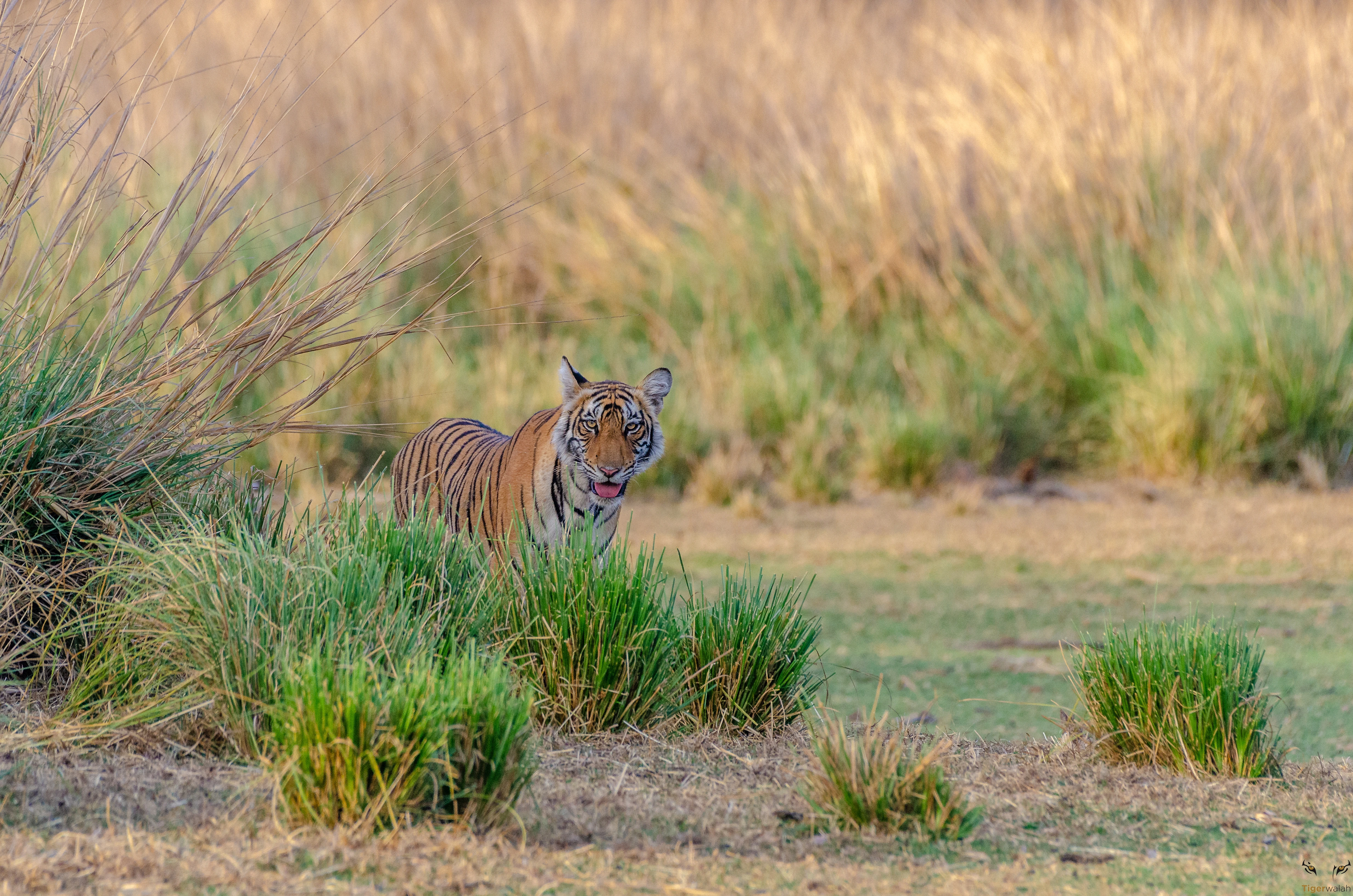
Classic Tiger Safaris
Designed for those who seek the quintessential wildlife adventure, this package takes you deep into the heart of tiger country, offering prime opportunities to witness the Royal Bengal Tiger.

Seeing a wild tiger is one of those experiences that stays with you. Not a photograph, not a documentary — the real thing, thirty feet away, moving through the forest on its own terms. India is the best place on Earth to make that happen, and Tigerwalah has spent sixteen years making it happen well.
We're a specialist wildlife company, not a general travel agent who also does safaris. Whether you call them tiger tours or tiger safaris, the experience is the same — and India is where it happens best. Our naturalists have tracked tigers across every major reserve in the country. Our permit relationships run deep. Our job is to put you in the right zone, at the right time, with someone beside you who actually knows what they're looking at — so that when the moment comes, you're ready for it.
First safari or fifteenth, hand us the plan. We'll take it from here.
India protects around three-quarters of the world's wild tigers — roughly 3,600 animals across more than fifty reserves, and a number that has grown steadily for two decades thanks to Project Tiger, camera-trap monitoring, and communities that have chosen conservation over conflict (source: NTCA All-India Tiger Estimation, 2022).
What that means practically: sighting odds in India's best parks are higher today than at any point in recorded history. The tigers are there. The question is how you find them.
That's where the guiding matters. Our naturalists don't work from general wildlife knowledge. They know the individual cats in the zones they cover — their territories, their routines, where they drink at first light in April and where they shade up in the middle of a hot March afternoon. That kind of knowledge takes years to build, and it's not something you can look up online.
We meticulously design a range of packages to cater to every level of adventure, photography interest, and passion for wildlife conservation. Each option promises a unique journey into India's best tiger reserves.
Every Tigerwalah safari is private. You won't share your jeep with strangers, you won't follow a group itinerary, and your naturalist's attention isn't split seven ways. The trip is yours.
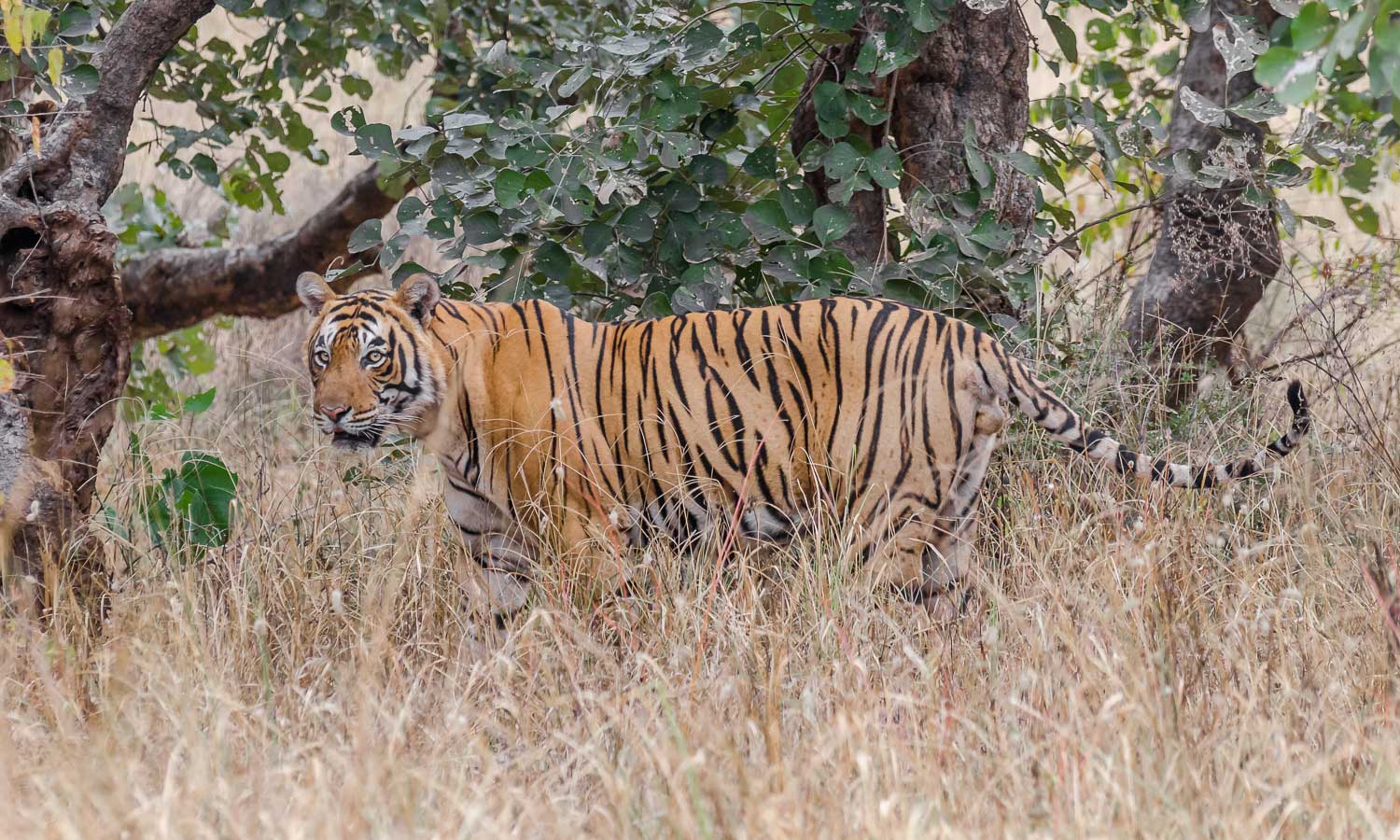
Designed for those who seek the quintessential wildlife adventure, this package takes you deep into the heart of tiger country, offering prime opportunities to witness the Royal Bengal Tiger.
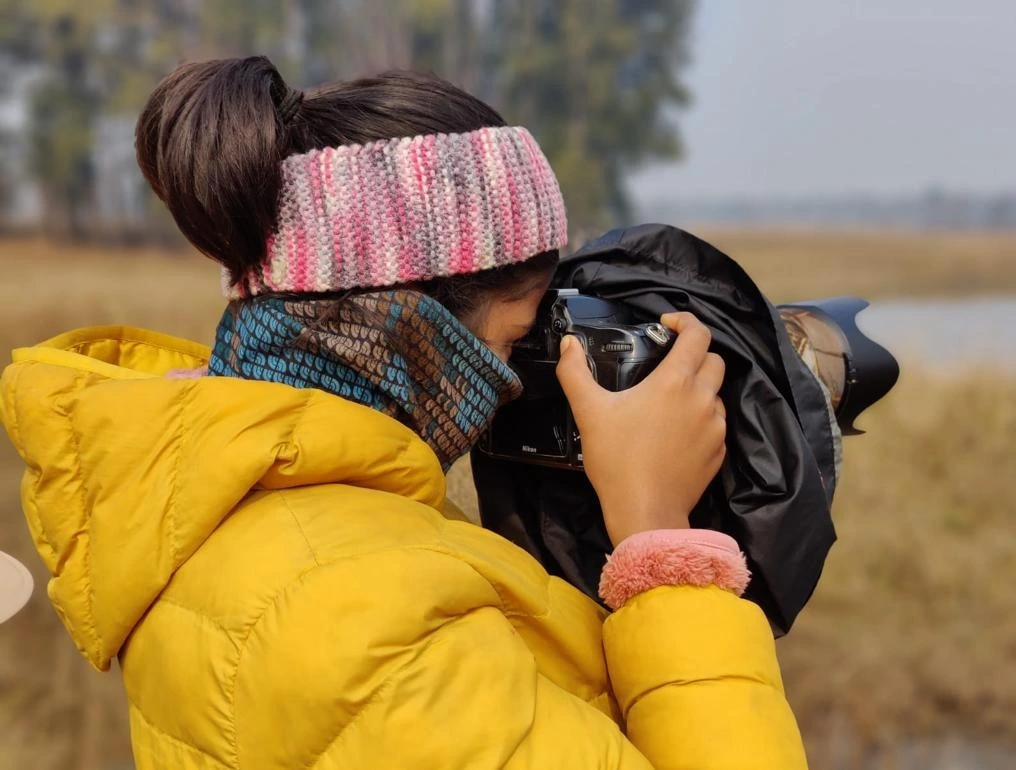
Meticulously tailored to provide exceptional opportunities for capturing stunning images. We prioritize optimal light conditions and expert photographic guidance.
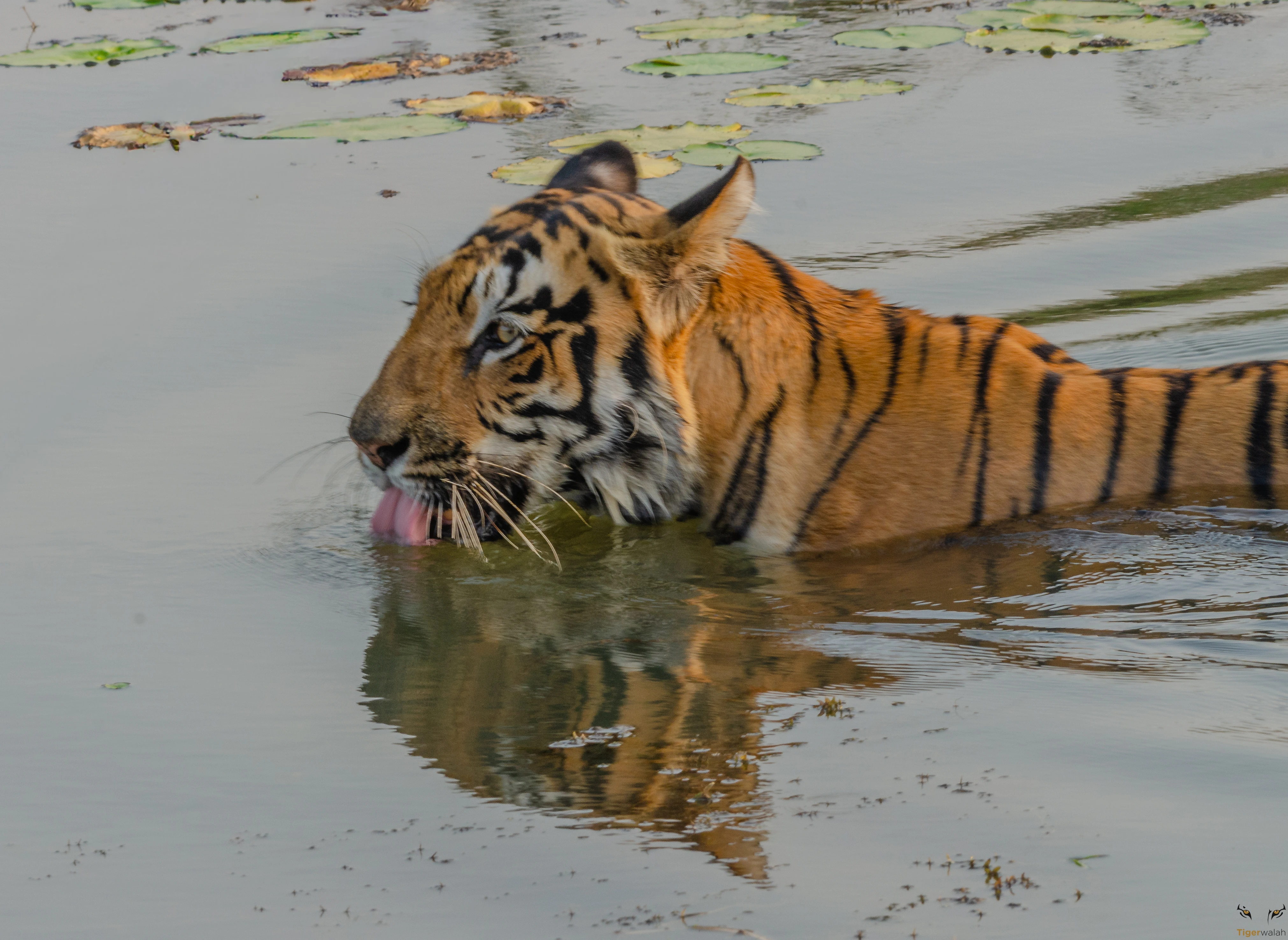
Recognising every traveller is unique, we work with you to create a bespoke safari tour that aligns perfectly with your interests, budget, and schedule.
.webp)
Experience the jungle in its most intimate form. Accompanied by experienced naturalists, walk on animal trails and learn to decode the intricate signs of the wild.
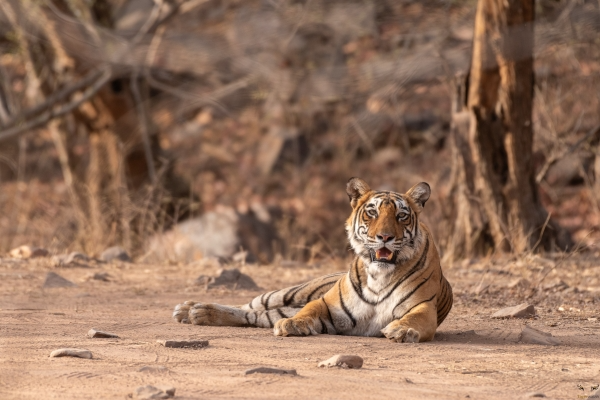
Spend an entire day, from sunrise to sunset, within the park. Maximize your chances of rare sightings and get a deeper understanding of animal routines.
*Available in selected National Parks only. Please contact our team for more information.
Each wildlife safari in India is a different experience; the landscape, the sighting style and the supporting cast of wildlife all differ significantly between parks. We've worked in all of them, and here's an honest picture of what each delivers.

The most popular tiger reserve in northern India, and with good reason. Open, dry-deciduous terrain means tigers are visible from a distance, and the resident population — several dozen individuals across ten zones — is well-habituated to safari vehicles. The backdrop of a thousand-year-old Rajput fort and the park's three lakes makes Ranthambore unlike anywhere else in India. It's the natural choice for first-time visitors, or for travellers combining wildlife with the Golden Triangle. The best zones (especially 1–5 around the lakes) book up months ahead. Best window: October to June, with April to June delivering the highest odds.
Know more →
If a sighting is the single goal of your trip, Bandhavgarh is hard to argue with. It holds one of the highest tiger densities anywhere in the world, set in a landscape of rocky hills, sal forest and ancient caves. The Tala zone — where most of the best sightings happen — needs to be booked well in advance, and the park rewards guests who stay for at least three or four drives. Serious photographers come here specifically for the density and the terrain. Best window: March to May.
Know more →
The reserve that inspired Kipling, and for many guests the most beautiful park in India. Wide open meadows swept by morning mist, dense sal and bamboo, crystal streams. The tiger population is strong, and the park is also the last stronghold of the hard-ground barasingha — a deer species pulled back from extinction here. Kanha is the most consistently well-run park in central India, and a superb choice for first-timers, families and anyone who wants the forest experience as much as the sighting. Best window: October to June.
Know more →
The rising star of Indian wildlife tourism. Its bamboo-and-teak landscape heats up dramatically in the pre-monsoon months, concentrating wildlife around Tadoba lake and the park's scattered waterholes. Tigresses with cubs are regularly seen at close range, and the sightings tend to be long, unhurried encounters — the kind photographers dream about. Less crowded than the central Indian parks, with excellent buffer-zone access. Best window: April to June.
Know more →
Quieter than its famous neighbours, and a better choice for travellers who want a genuine wilderness atmosphere without the competitive jeep traffic. The Pench River runs through teak forest that feels ancient and unhurried. Excellent for leopard as well as tiger, and one of the country's great birding parks. Sits naturally midway between Nagpur and Kanha on a central India circuit. Best window: November to February.
Know more →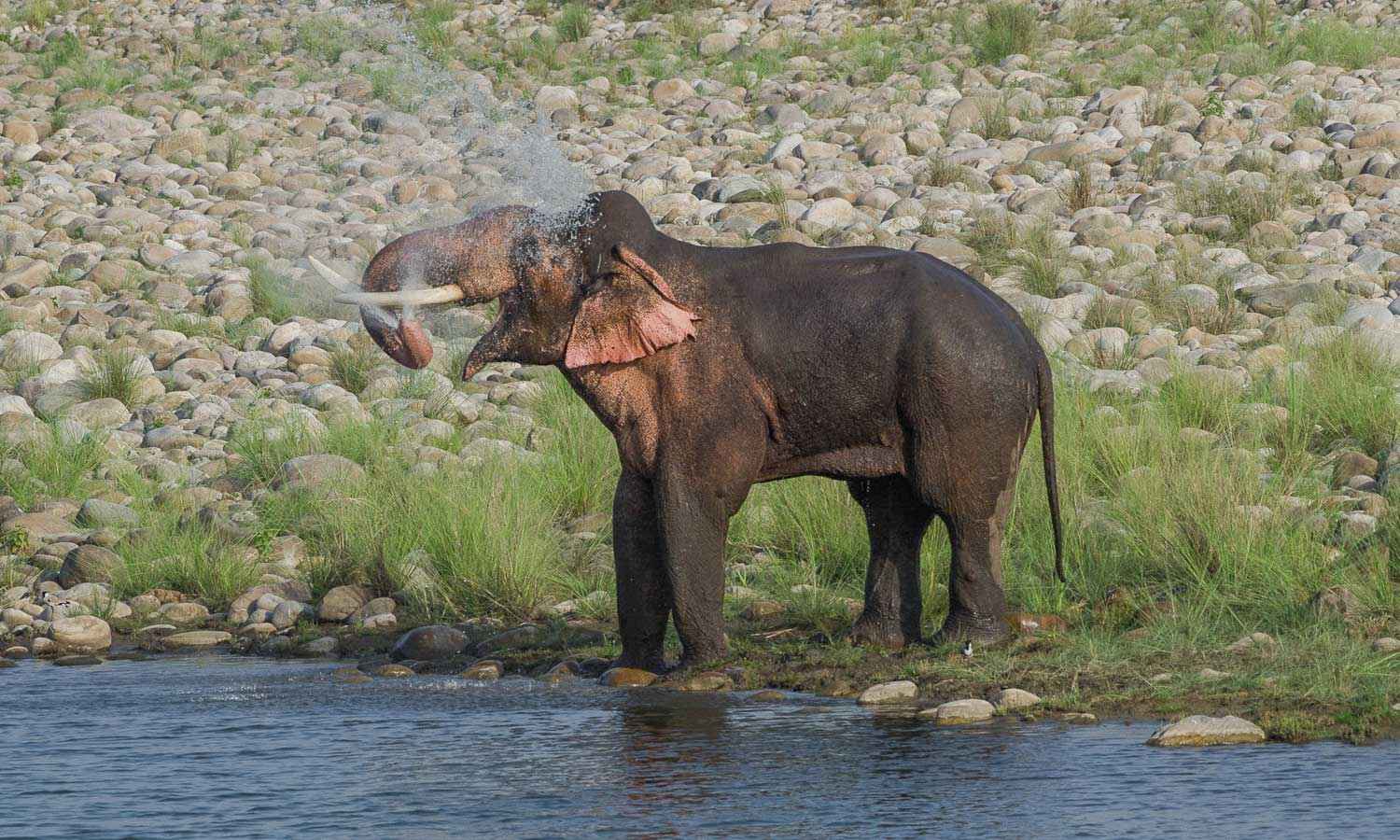
India's oldest national park, set in the foothills of the Himalayas along the Ramganga River. The forest is dense and dramatic, which means sightings are less predictable than in the open central Indian parks — but when they happen, they're extraordinary. Corbett also has wild elephants, gharial and the best birdlife of any tiger park in the country. The legendary Dhikala rest house, deep inside the park, is a bucket-list stay in its own right. Best window: November to May.
Know more →
One of conservation's great comeback stories. Panna lost all its tigers to poaching in 2009 and, through a carefully managed reintroduction, is thriving again — quietly, with relatively little visitor traffic. A boat safari on the Ken River is unlike anything else in Indian wildlife tourism. The other selling point: it's less than thirty minutes from the UNESCO temples of Khajuraho. Best window: October to March.
Know more →
Not primarily a tiger park, but no list of India's great wildlife destinations is complete without it. A UNESCO World Heritage Site on the floodplains of the Brahmaputra, Kaziranga protects two-thirds of the world's one-horned rhinoceros population. Tigers are present and occasionally seen. The landscape — tall elephant grass, marshland, open savannah — feels utterly different from the forests of central India and pairs well with a Kanha or Bandhavgarh leg on a longer India wildlife tour.
Know more →The parks open roughly in October after the monsoon and close again around June or July when the rains return. Most guests travel between October and April, when the weather is comfortable and wildlife is active across the whole forest.
The months most people overlook are April, May and early June. Yes, it's hot — sometimes very hot. But heat is exactly what drives the best sightings. As the waterholes shrink, every animal in the forest, including the tigers, concentrates around the remaining water. Morning drives in April, with the thermometer already climbing at six and the forest completely dry, produce some of the most dramatic encounters we've seen in sixteen years. If you can tolerate the heat, this is when to come.
A private safari runs about $250–$1,500 per person per day, all-inclusive — permits, a private jeep, your naturalist, lodges, meals and all internal transfers. Shared-jeep options start lower.
What's included: park entry, jeep and naturalist, accommodation, all meals in the parks, internal transfers between airports and lodges. What's not: international flights, your India e-Visa, travel insurance and personal expenses.
You'll have a clear, itemised quote in USD within 24 hours of getting in touch. No vague estimates, no hidden fees added later.
India safari tours typically run 5–14 days, and most guests combine at least two experiences — two parks back to back, or a park and a cultural leg. A useful rule of thumb: two or three nights per park gives you the drives you need to get settled, understand the terrain and give sightings a genuine chance. One night rarely does a park justice.
If you're exploring India wildlife tours for the first time, our specialists will walk you through the options before you commit to anything. We handle internal flights, trains and private transfers across the whole trip. You land in Delhi and we take it from there.
End-to-end organisation — from the first conversation to the last transfer, we run the whole thing. Permits, bookings, logistics, adjustments along the way.
Expert naturalists — people who have spent years in specific forests, not generalist tour guides. The difference in what you see and understand is significant.
Hand-picked lodges — we stay in everything we recommend. Options run from well-run, authentic forest lodges to boutique properties with pools and private dining. We'll match the lodge to your budget and your taste.
24/7 support — someone reachable throughout your trip, not a phone that rings out.
When is the best time to go on a tiger safari in India?
The best time for a tiger safari in India is October to June, when the parks are open. October to April offers comfortable weather and reliable sightings. The pre-monsoon weeks — April to June — are actually the most productive, as shrinking waterholes concentrate tigers in a smaller area, making encounters longer and more frequent. Most guests find April and May deliver the highest sighting odds of the year.
Which national park is best for a tiger safari in India?
For most first-time visitors, Ranthambore and Bandhavgarh are the strongest choices. Ranthambore offers open terrain and very reliable sightings, set against a stunning fort, and sits conveniently between Delhi and Jaipur. Bandhavgarh holds one of the highest tiger densities in the world, making it the top pick when a sighting is your single priority. Kanha is the best choice for families, beautiful scenery and a more immersive forest experience.
How much does a tiger safari cost?
A private tiger safari typically costs $250–$1,500 per person per day, all-inclusive of park permits, a private jeep, a senior naturalist, lodge accommodation, all meals and internal transfers. The range depends on the park, lodge category and time of year. Shared-jeep departures start lower, around $90 per day. You'll receive a clear, itemised quote in USD within 24 hours of enquiring — no hidden costs.
How far in advance should I book?
Book at least four to six months ahead for most parks, and six to eight months for peak-season dates and premium zones at popular reserves like Ranthambore and Bandhavgarh. The best core zones open for permit booking 90 to 120 days before the safari date and can sell out in hours. Lodge availability at sought-after properties follows a similar pattern — earlier is always safer, especially for travel between October and March.
What is included in a Tigerwalah safari package?
Our packages include official park permits for premium zones, a private 4x4 jeep, a senior naturalist guide, hand-picked lodge accommodation, all meals in the parks, and all internal transfers between airports, railway stations and lodges. International flights, your India e-Visa, travel insurance and personal expenses are not included. Every itinerary comes with a detailed day-by-day plan and 24/7 on-trip support from our team.
How do I choose a good wildlife safari company in India?
Look for genuine field experience — naturalists who know specific parks and individual animals, not generic guides. Look for transparent operations: permits secured in your name, lodges you can verify independently, and clear pricing with no surprises. Strong independent reviews on TripAdvisor or Google are a reliable signal. Tigerwalah has operated for 16 years with ATOAI, TOFT and IATO accreditation, TripAdvisor Travellers' Choice recognition, and roughly 80% of guests returning or referring friends.
Are tiger safaris suitable for children?
Yes — there are no official age restrictions for tiger safaris in India. Most parks allow children of any age on jeep drives. We suggest a practical minimum of around five years old, as drives run three and a half to four hours and require patience and quiet. For families, we arrange private jeeps so the pace and timing are fully under your control, and we select lodges with family-friendly facilities and appropriate activities.
What type of vehicle is used on safari?
Most tiger safaris in India are conducted in open-top 4x4 jeeps, known locally as Gypsies. They seat up to six passengers plus the naturalist and driver, offer unobstructed views in all directions, and are narrow enough to navigate the restricted forest tracks in core zones. On a private safari, the vehicle is exclusively yours — no other guests, no compromises on timing, zone selection or how long you wait at a sighting.
Can I combine a tiger safari with other destinations in India?
Yes, and many guests do. Ranthambore pairs naturally with the Golden Triangle — Delhi, Agra and Jaipur — making it an easy addition to a cultural trip. Panna is under thirty minutes from the UNESCO temples at Khajuraho. Kanha and Bandhavgarh connect well with Varanasi or onward to Nagpur. We also arrange Nepal extensions from Corbett. Internal flights, trains and private transfers are all built into a single seamless itinerary.
What should I pack for a tiger safari?
Pack neutral, layered clothing — mornings in an open jeep are cold year-round, while midday temperatures climb sharply, especially in April and May. Essentials include a wide-brimmed hat, sunscreen, insect repellent, binoculars and a good zoom camera (a 400–600mm lens is ideal for tigers at distance). As of December 2025, smartphones are restricted inside several Central Indian parks under a Supreme Court ruling, so a dedicated camera rather than a phone is the practical choice for photography.
What are the chances of seeing a tiger?
No responsible operator guarantees a sighting — tigers are wild animals and the forest is large. What we control is zone selection, timing and the quality of the naturalist beside you, and those factors make a real difference. Most guests on trips of five days or more see tigers, often more than once. Parks like Bandhavgarh, Ranthambore and Tadoba have the strongest and most consistent track records for sightings across all seasons.
What is the difference between a shared and a private safari?
On a shared-jeep safari, you travel with other guests — usually four or five — sharing the permit cost and following a route that works for the group. On a private safari, the jeep, naturalist and permit are exclusively yours. You choose which zone to prioritise, how long to wait at a sighting, and when to move on. For serious wildlife watching or photography, private makes a significant difference to the quality and flexibility of the experience.
Ready for an adventure? We're here to help.
Contact Us
945, Regus Business Center, 9th floor, Spaze I Tech Park, Gurgaon Sohna Road, Sector 49 Gurugram - 122018 Haryana
On-ground base: Ranthambore, Sawai Madhopur, Rajasthan


About Us
Policies
Find Us Here
Affiliations





© 2026 Tigerwalah All Rights Reserved


