
Rare Species & Offbeat Wildlife Expeditions
Rare Species & Offbeat Expeditions: Tracking India’s Hidden Wonders
Go beyond the tiger and explore the far reaches of the Indian subcontinent. Our Rare Species and Offbeat Expeditions are meticulously designed to find the most elusive and endangered inhabitants of our wilderness. From the high-altitude deserts of the Himalayas to the tropical rainforests of the Western Ghats and the Northeast, we track the species that define India’s status as a biodiversity mega hub. Whether it is the "Grey Ghost" of the peaks or the "Firefox" of the bamboo forests, these journeys are for the dedicated explorer.
The Next Frontier: A Deep Dive into India’s Elusive Wildlife
India’s true natural wealth lies in its specialized ecosystems, each home to rare creatures found nowhere else on earth. While the Bengal Tiger remains the crown jewel, our Offbeat Expeditions take you into rugged terrains to witness species that most travellers only dream of seeing. These journeys require patience, expertise, and a deep love for the untamed wild.
High-Altitude Legends and Forest Dwellers
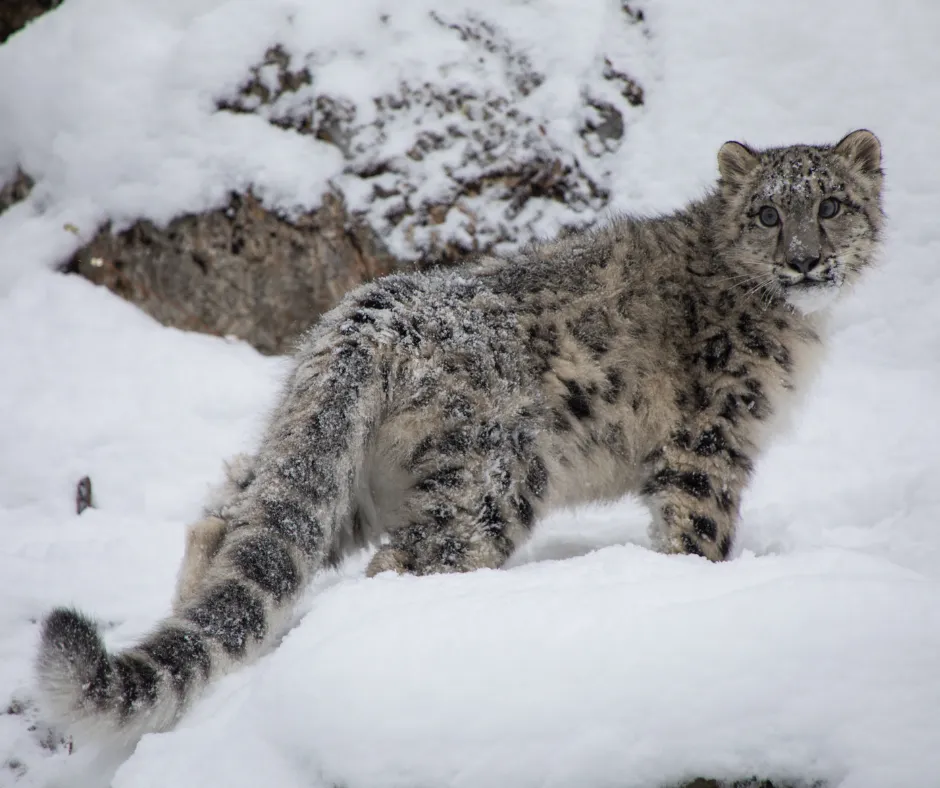
In the northernmost reaches of India, we lead specialized expeditions into the frozen, high-altitude landscapes of Ladakh and Spiti to find the Snow Leopard. Known as the "Grey Ghost of the Mountains," this apex predator is a master of camouflage, often invisible against the jagged cliffs until it moves. Our winter expeditions follow the cat as it descends the slopes in pursuit of Himalayan Blue Sheep.
Alongside this legend, we track the Himalayan Brown Bear, the region’s largest predator. These massive bears are best observed in the Drass Valley as they emerge from their winter dens to forage in the alpine meadows. In contrast, the Himalayan Black Bear—easily identified by the creamy, crescent-shaped "moon" patch on its chest—prefers the dense, lower-altitude oak and rhododendron forests. We explore the Great Himalayan National Park to find these arboreal experts, often spotting them foraging high in the canopy.
In the mist-heavy forests of the Eastern Himalayas, we seek the charming Red Panda, a bamboo specialist that requires an expert eye to spot amidst the moss-covered branches. This region also echoes with the haunting, soulful morning songs of the Hoolock Gibbon, India’s only ape species, as they swing through the evergreen canopies of the Northeast. Meanwhile, the Western Ghats provide a dramatic backdrop for the Lion-tailed Macaque. With its striking silver mane and shy demeanour, this endemic primate is a living testament to the ancient, untouched rainforests of South India.
Phantoms of the Grasslands and Avian Jewels
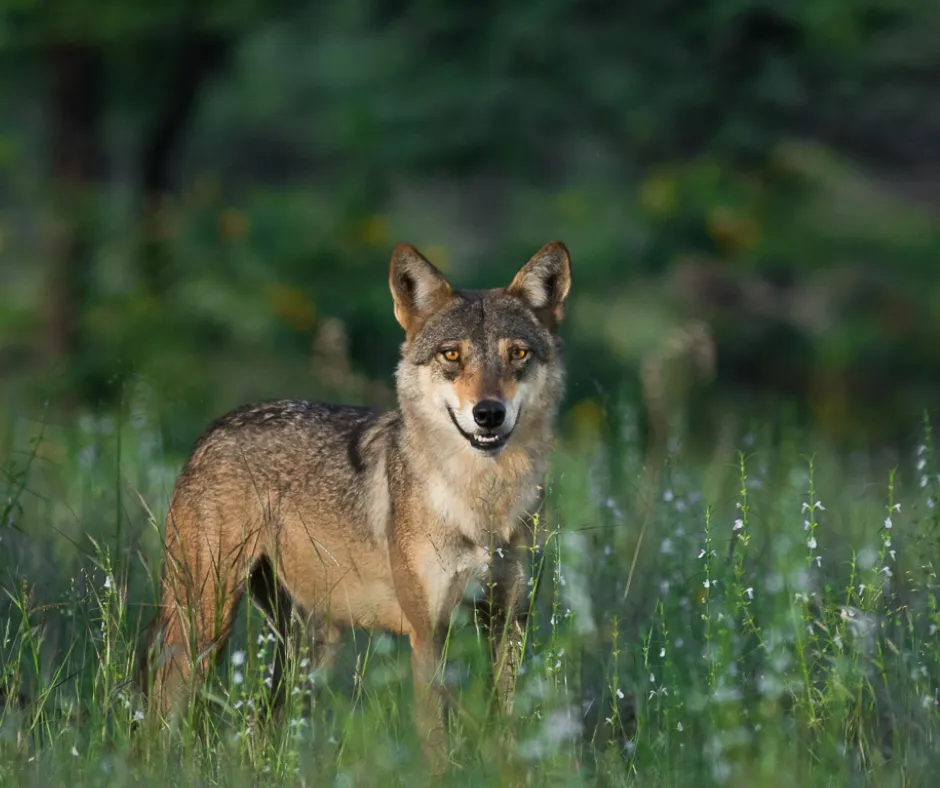
Our offbeat routes also descend into the vast, sun-drenched plains and semi-arid scrublands. Here, we track the Indian Wolf, often called the "Phantom of the Grasslands." Evolutionarily distinct and more ancient than its Holarctic cousins, the Indian Wolf is leaner, faster, and incredibly clever, moving in small packs across the open landscape with ghost-like stealth.
For the passionate birder, these expeditions are a true pilgrimage into the heart of India’s avian diversity. We venture into the remote corners of the Thar Desert in search of the Great Indian Bustard. As one of the heaviest flying birds in the world and now critically endangered, witnessing its magnificent courtship display is a rare privilege.
In sharp contrast to the desert’s gold, the high-altitude forests of Uttarakhand and Himachal offer sightings of the Himalayan Monal. Known as the "Nine-colored Bird," the male Monal’s iridescent plumage reflects every hue of the rainbow, making it one of the most breathtaking sights in the avian world. These journeys are designed for those who know that the greatest rewards in the wild often require venturing far beyond the beaten path.
Conservation Through Exploration
At Tigerwalah, these expeditions are more than just sightings; they are a commitment to conservation. Many of these species are endangered and live in fragile habitats. By choosing these offbeat routes, you support local communities and specialized conservation efforts that protect these rare biomes. We provide the highest level of field expertise, ensuring that your presence has a minimal footprint while offering a maximum connection to the rarest residents of the wild.
Frequently Asked Questions: Rare Species Expeditions
What makes these "Offbeat Expeditions" different from a regular safari?
These expeditions often take place outside of traditional tiger reserves, involving trekking, high-altitude travel, or specialized tracking in remote rainforests. They focus on specific, rare species rather than a general wildlife viewing experience.
What is the best time to see the Snow Leopard?
The ideal window is winter, from late December to March. As the snow pushes prey species like Blue Sheep to lower altitudes, the Snow Leopards follow, making them much easier to track and spot against the white landscape.
How difficult are the treks for Red Panda or Hoolock Gibbon?
Red Panda tracking usually involves moderate walking in hilly terrain, while Hoolock Gibbon sightings often happen in flatter forest patches. We tailor the intensity to your fitness level, but a basic level of mobility is required for these excursions.
Where can I see the Lion-tailed Macaque?
This rare primate is endemic to the Western Ghats. We lead specialized tours to the rainforests of Annamalai and Silent Valley, where these macaques can be observed in their natural canopy habitat.
Are these expeditions suitable for photographers?
Yes. These are "slow travel" experiences designed specifically for photographers who need time and silence to capture rare behavior. Our guides understand the specific patience required for rare species photography.
Is it guaranteed that we will see these rare animals?
While we have an incredibly high success rate due to our expert trackers, wildlife is unpredictable. These expeditions are about the thrill of the hunt and the deep appreciation of the habitat as much as the final sighting.
What kind of fitness level is required for these rare species tours?
It varies by species. Tracking the Snow Leopard or Red Panda involves moderate to high-altitude walking. However, tours for the Indian Wolf or Great Indian Bustard are generally vehicle-based and less physically demanding.
Do you offer guided wildlife tours for rare species?
Yes, we do. Our Guided Wildlife Tours are specially curated for rare species like the Snow Leopard, Red Panda, and Indian Wolf. These expeditions include a dedicated senior naturalist who stays with you for the entire duration of the trip to handle logistics, tracking, and photography guidance.
What are the best seasons for these species?
The best season varies for each species and sometimes the location changes too. For example, the Snow Leopard is best seen in winter (January–March), while the Himalayan Monal is most active in spring. To maximize your chances, get in touch with our team for the most current sighting reports.
Do you offer fixed departure tours?
Yes, Tigerwalah offers fixed departure tours for popular expeditions like the Snow Leopard in Ladakh or Spiti Valley in Himachal Pradesh and the Red Panda in Singalila. For all other offbeat destinations, we can fully customize an itinerary based on your preferred dates and specific wildlife interests.
Get In Touch
Ready for an adventure? We're here to help.