What makes Pilibhit Tiger Reserve special?
Nestled in the Terai region Pilibhit Tiger Reserve also known as Chuka Tiger Reserve spans approximately 730 square kilometers in the state of Uttar Pradesh, India. Officially declared a tiger reserve in 2014, it forms part of the larger Terai Arc Landscape bordering Nepal, it has rivers Sharada and Khakra in the southern side.
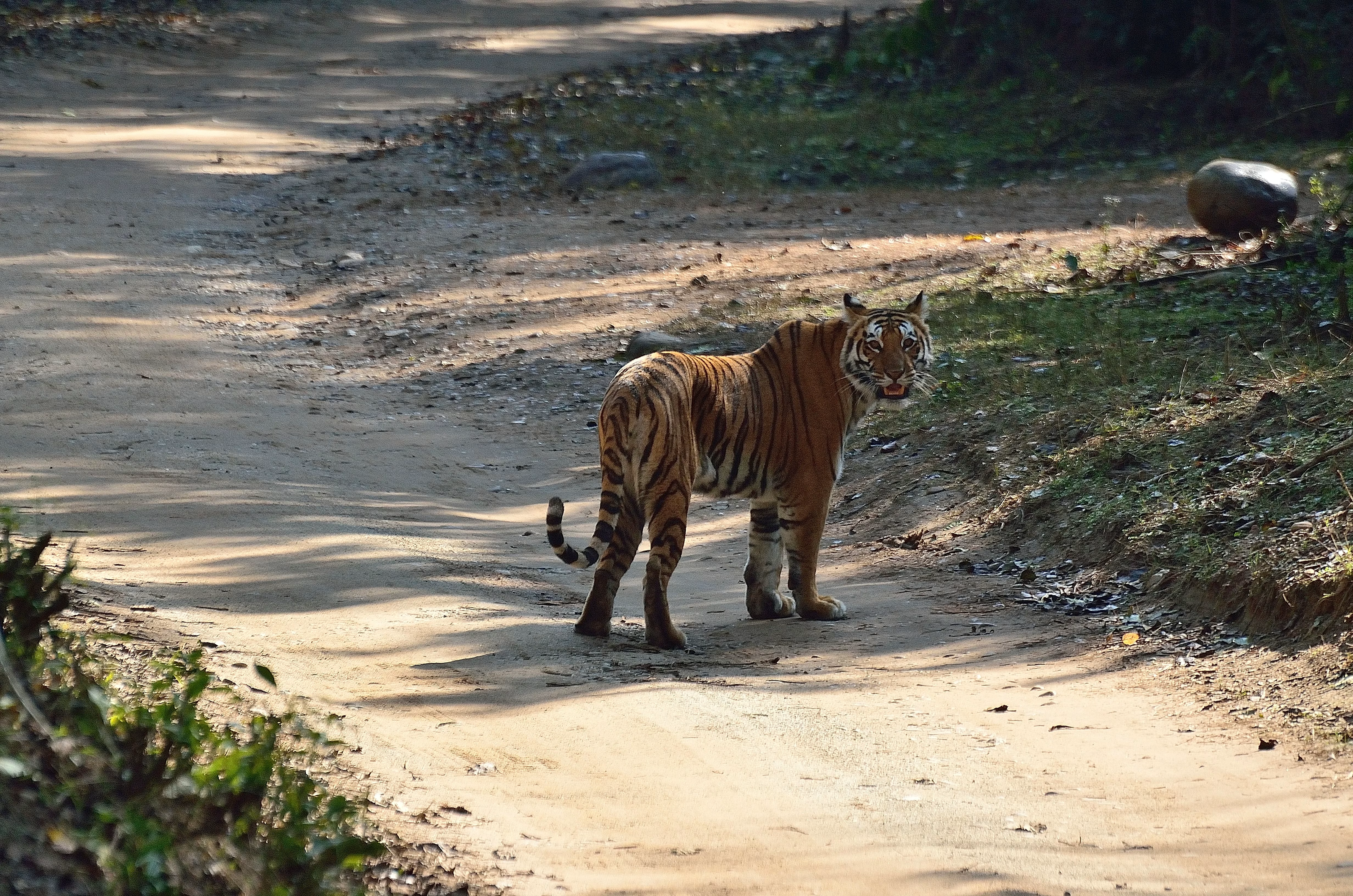
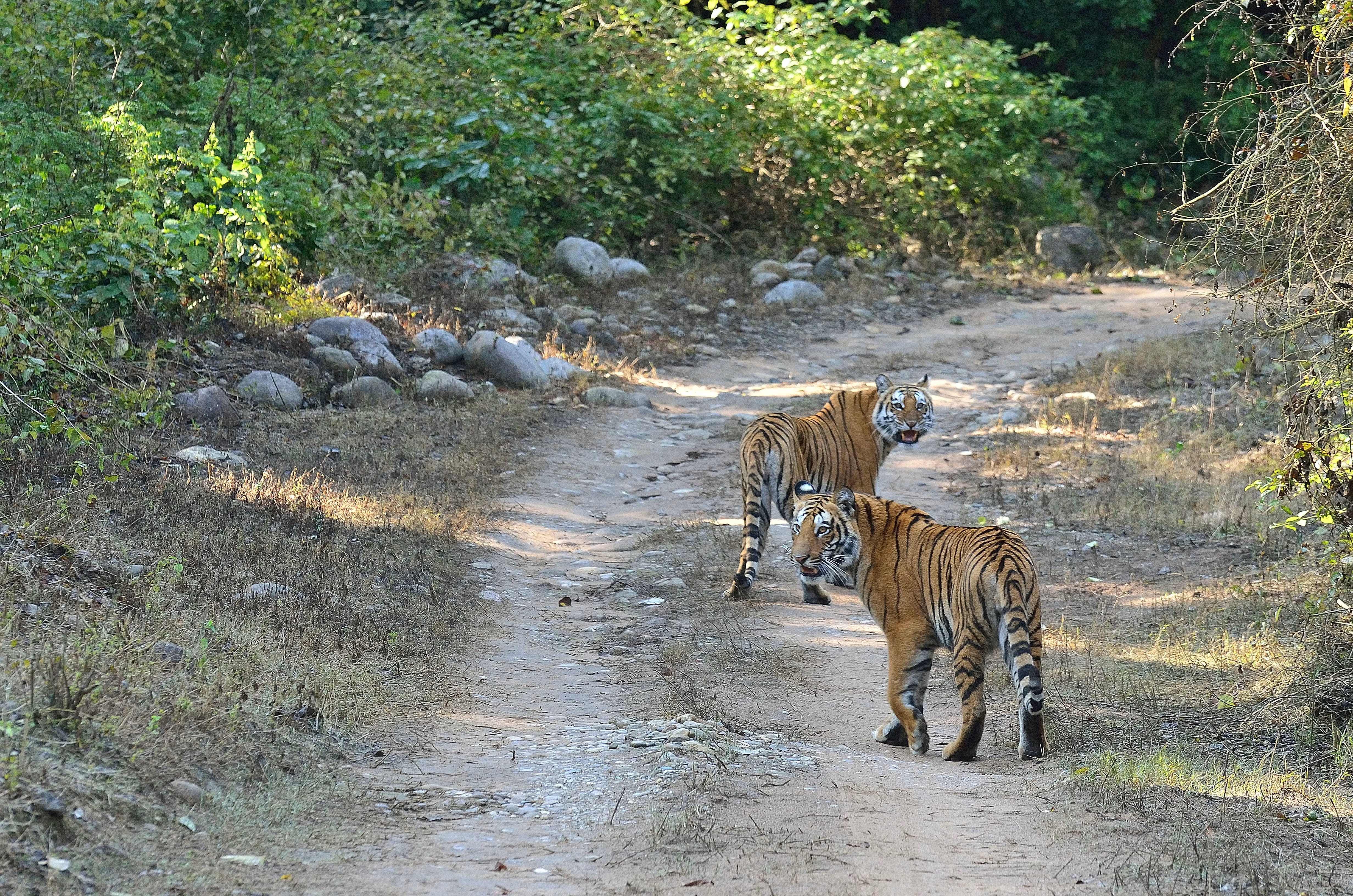
The reserve is a mosaic of Sal forests, grasslands, and wetlands, supporting huge biodiversity. It is home to a thriving population of Bengal tigers, along with other key species such as leopards, swamp deer, hog deer, sloth bears, occasional elephants and over 300 species of birds.
Why should you visit Pilibhit?
You get the thrill of spotting tigers in the Sal forest habitat, chances of seeing the Bengal florican, and landscapes straight out of a painting- rivers, lakes, and meadows glowing in the evening light. With very less crowd and easily available safari permits compared to popular reserves.
Accommodation options near Pilibhit
While Pilibhit doesn’t have luxury lodges like some big reserves, it offers cosy and nature-friendly stays: Forest Rest Houses (FRH) located inside the reserve, managed by the Forest Department—simple but authentic. Eco-resorts & Hotels: A few mid-range stays and homestays are available near Chuka and Pilibhit town. Chuka Eco Tourism Spot has huts and cottages right next to Chuka Lake—perfect for a quiet jungle getaway.
How to book a safari in Pilibhit?
Safaris here can be booked online through the Uttar Pradesh Forest Department portal, or you can ask your lodge or get in touch with us to book your Pilibhit safari.
Types of Safaris at Pilibhit Tiger Reserve
Jeep Safari
(Morning & Evening)
The best way to explore Pilibhit is on a jeep safari. Offering chances of sighting the majestic tigers and other wildlife of Pilibhit. The safaris are conducted in Chuka zone of the tiger reserve.
Safari Timings:Morning Safari- 06:00 am to 10:00am
Evening Safari- 04:00 pm to 07:00 pm
Nature & Birdwatching Walks
(In Buffer Areas)
For those who prefer a slower pace, the reserve also offers birdwatching walks and nature trails in the buffer areas—perfect if you love soaking in the details of the forest.
Which animals and birds can you spot in Pilibhit?
The Royal Bengal Tiger is the star of the show, but Pilibhit is full of wild surprises. You might catch leopards lurking in the shadows, herds of chital, swamp deer and hog deer grazing in the meadows, porcupines flexing their crests, fishing cats searching for prey near the ponds. Sloth bears, wild boars, barking deer, and civets are all part of the mix. Sometimes even elephants from Nepal also pay a visit to the park. And for birdwatchers—this is paradise. With more than 350 bird species, the skies are alive with Great and oriental pied hornbills, kingfishers, eagles, woodpeckers, and if you’re really lucky, the rare Bengal florican. Reptiles like marsh crocodiles basking on river banks or pythons crossing the paths.
Gallery: Moments in the Terai
Key Wildlife of Pilibhit
Major Predators
- Royal Bengal Tiger
- Indian Leopard
- Sloth Bear
Herbivores & Prey
- Swamp Deer (Barasingha)
- Spotted Deer (Chital)
- Hog Deer
- Barking Deer
- Wild Boar
Other Mammals
- Jungle cat
- Fishing cat
- Small Indian and Asian Palm Civets
- Porcupine
- Visiting herds of Elephants
- Grey and ruddy Mongoose
Reptiles
- Marsh Crocodile (Mugger)
- Indian Python
- Monitor Lizard
Key Bird Species
- Bengal Florican (Rare)
- Great Hornbill
- Grey headed fish eagle
- Various species of Flycatchers
- Woodpeckers
Rich Ecosystem
The unique Terai ecosystem, with its rivers, swamps, and grasslands, supports over 350 bird species and a diverse range of mammals and reptiles, making every safari an exploration of a vibrant world.
Does Pilibhit attract photographers?
Absolutely. Pilibhit’s tall grasslands, rivers, and glowing sunsets make it a dream canvas for wildlife photographers. Whether it’s a tiger melting into the golden grass or a rare Bengal florican taking flight, the frames here are unforgettable.
Best season to visit Pilibhit
Each season has its own magic here. From October to February, the weather is cool, the forest is lush, and birdwatching is at its best. March and April strike the right balance—pleasant weather with good chances of wildlife sightings. By May and June, it gets hot, but the reward is high animal activity near water sources. The park takes a break during the monsoon (July–September).
How to reach Pilibhit Tiger Reserve?
✈️ By Air
The nearest airports are Pantnagar (100 km) Lucknow (274 km), Bareilly( 50 Km).
🚆 By Rail
Pilibhit and Bareilly are the closest railway stations.
🚗 By Road
Good road connectivity from Lucknow, Bareilly, and Delhi.
Safari rules and tips
To enjoy Pilibhit at its best, wear earthy colours like brown, green, or beige, so you blend with the forest. Carry your camera, binoculars, sunscreen, water, and a cap. Most importantly, keep quiet and patient—the jungle reveals itself slowly, and every sighting feels magical. And yes, book your safaris in advance because slots are limited!
Your Essential Pilibhit Checklist
Don't go unprepared! Get our free, comprehensive PDF checklist covering what to pack, essential documents, photography tips for the Terai, and more—delivered straight to your inbox.
We respect your privacy. No spam, ever.
Why Choose Tigerwalah?
Let us be your expert partner in crafting an exceptional and unforgettable Pilibhit journey.
Unmatched Expertise
We bring years of experience and intricate knowledge of Pilibhit's ecosystem, wildlife behavior, and safari zones to create perfectly planned trips.
Personalized Service
We recognize that every traveler is unique. We customize itineraries and arrangements to meet your specific needs for a truly bespoke adventure.
Ethical & Responsible
We are dedicated to tourism that supports conservation, benefits local communities, and educates guests on minimizing their environmental impact.
Seamless Support
From safari bookings to accommodation and transport, we provide hassle-free arrangements so you can focus on the magic of the wild.
What clothes to carry?
Winter (Oct–Feb)
Warm jackets, gloves, mufflers—mornings are cold.
Summer (Mar–Jun)
Light cotton clothes, hats, and breathable fabrics in earthy colours.
Shoes
Comfortable walking/sports shoes are a must.
Get In Touch
Ready for an adventure? We're here to help.
Enquire Now
Contact Information
 945, Regus Business Center, 9th floor, Spaze I Tech Park, Gurgaon Sohna Road, Sector 49 Gurugram - 122018 Haryana
 +91 9871431155
 +91 8989416930
 info@tigerwalah.com
Follow Us