Introduction to Jhalana
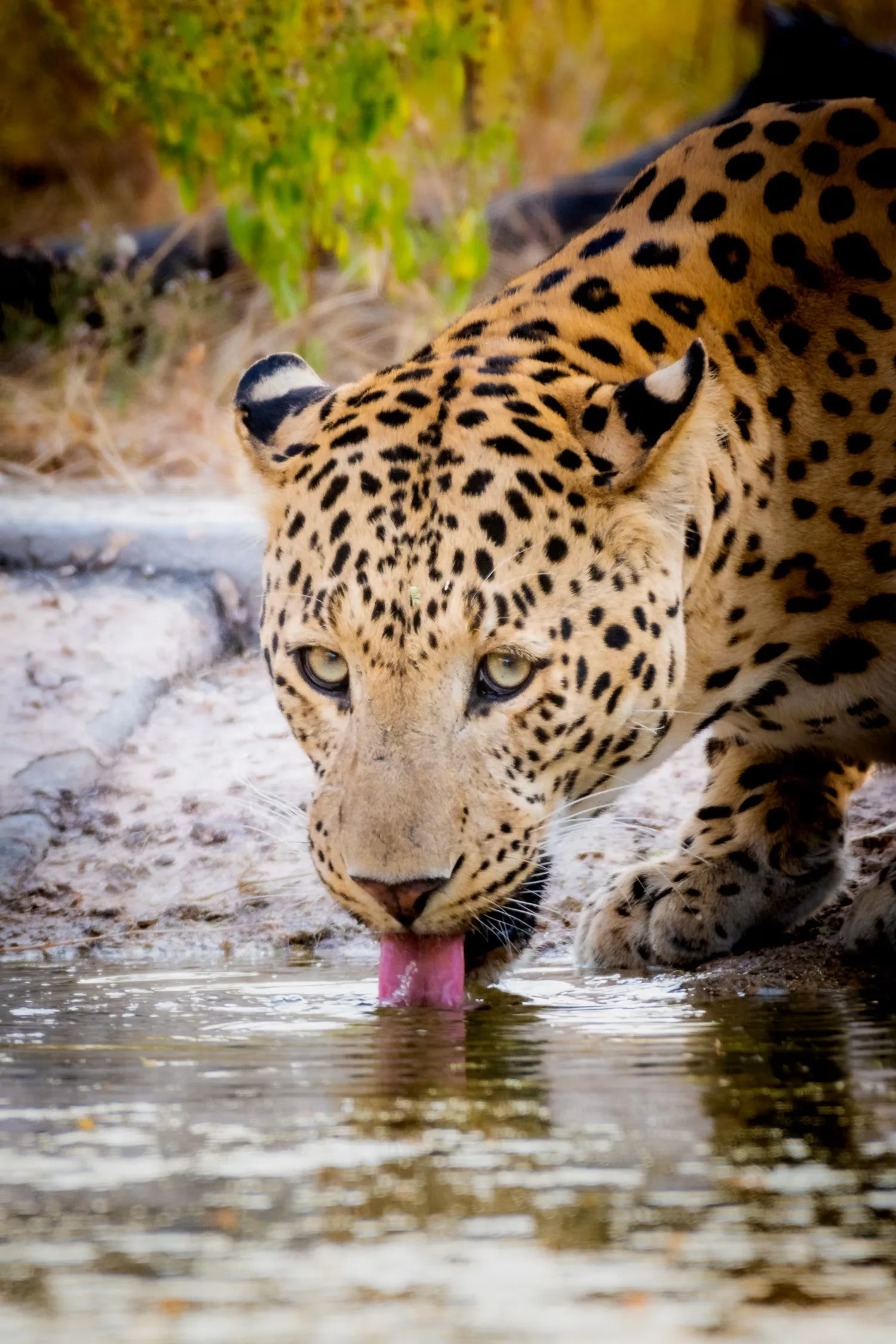
Most people visiting Jaipur spend their time moving between palaces, bazaars, and forts. Which is all entirely worth it. But tucked inside the city — closer to your hotel than the Amber Fort probably is — sits one of India's most unusual wildlife experiences: a forested reserve where you can watch wild leopards in broad daylight, from an open jeep, without driving four hours into the jungle.
Jhalana Leopard Safari Park is the only urban leopard reserve in India. It has been operating since December 2016, and in less than a decade it has quietly become one of the most reliable big cat sighting destinations in the country. Not "reliable" in the way brochures use the word. Actually reliable — over 80% of safaris result in a leopard sighting.
What is Jhalana, and Why Does It Exist?
Jhalana isn't a new reserve created to attract tourists. The leopards were already there. The Aravalli hills that run through this part of Rajasthan have historically supported a leopard population. As Jaipur expanded, the forest fragment around Jhalana became increasingly surrounded by the city — but the leopards stayed. When the Rajasthan Forest Department formalised it as a protected conservation reserve and opened it to controlled tourism in 2016, the leopard density was already high.
Today, Jhalana covers 23 sq km of rocky Aravalli terrain — dry deciduous forest, grassland patches, and ancient boulder formations that leopards use as vantage points. Around 30 leopards live across the full reserve, with 8 to 10 individuals whose home ranges overlap the tourism zone.
Why Jhalana Is Different
In a tiger reserve like Ranthambore or Bandhavgarh, you're searching a large forest for an animal that may be anywhere across hundreds of square kilometres. Jhalana works differently. The reserve is bounded. The safari routes are defined. The leopards here are habituated to vehicles — not tame, not fed, but accustomed to the presence of jeeps in their territory.
Open All Year
Unlike tiger reserves that close for the monsoon, Jhalana remains open 365 days a year for safaris.
Day-time Sightings
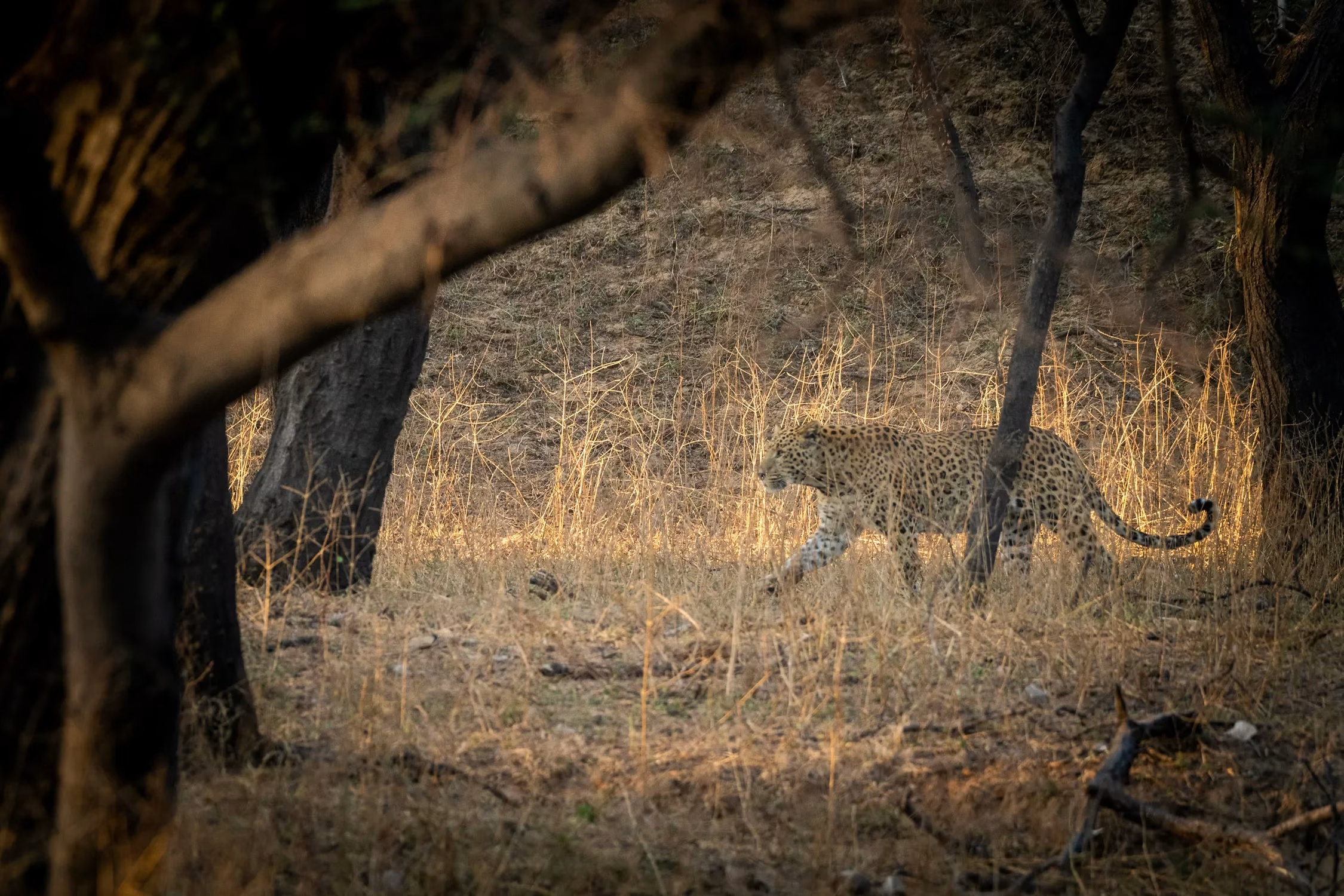
Jhalana's leopards are frequently spotted mid-morning, resting in the shade of boulders or moving between territories.
Fits a Jaipur Itinerary
Located just 10 km from the city centre and 5 km from the airport. A 2.5-hour safari easily slots into a single half-day.
How to Book Your Safari
- Book Early: Advance booking is strongly recommended (at least 30 days ahead), especially between October and March.
- ID Proof: Aadhaar card, passport, driver's licence, or voter ID is strictly required. Safaris cannot proceed without it.
- Arrive Early: Reach the assembly point at least 30 minutes before your slot. Jeeps leave on time and do not wait.
- Use an Expert: For a hassle-free experience including permits, a naturalist, and vehicle, consider booking through Tigerwalah.
Safari Timings
Jhalana runs two safaris daily (2.5 hours each). Timings adjust throughout the year.
| Period | Morning | Evening |
|---|---|---|
| 1 Aug – 31 Oct | 6:45 AM – 9:15 AM | 3:45 PM – 6:15 PM |
| 1 Nov – 31 Jan | 7:00 AM – 9:00 AM | 3:15 PM – 5:45 PM |
| 1 Feb – 31 Mar | 6:15 AM – 8:45 AM | 3:45 PM – 6:15 PM |
| 1 Apr – 31 May | 5:45 AM – 8:15 AM | 4:15 PM – 6:45 PM |
| 1 Jun – 31 Jul | 5:45 AM – 8:15 AM | 4:45 PM – 7:15 PM |
The Two Safari Routes
Jhalana currently operates two safari routes within the tourism zone, chosen based on animal movement.
What Wildlife Will You See?
Leopards are the headline, but Jhalana holds more than people expect. The reserve's leopards include territorial males, resident females, and cubs that have grown up entirely within the reserve. Naturalists who know the area can often identify individuals by their rosette patterns and behaviour.
Beyond big cats, Jhalana is one of the better places in Rajasthan to spot the nocturnal Indian Striped Hyena and the sandy-coloured Desert Fox. The healthy population of Nilgai (Blue Bull) and Golden Jackal play a crucial role in the ecosystem — their alarm calls are one of the most reliable indicators of a predator in the area. Birders will be thrilled to find over 200 species, including Indian Eagle Owls, Crested Serpent Eagles, and Indian Pittas in winter.
Key Wildlife & Environment
Major Predators
- Indian Leopard (30+ individuals)
- Habituated, day-active cats
Canids & Scavengers
- Indian Striped Hyena
- Desert Fox
- Golden Jackal
Other Mammals
- Jungle Cat
- Nilgai (Blue Bull)
Key Bird Species
- Indian Eagle Owl (on cliff faces)
- Crested Serpent Eagle
- Indian Pitta (in summer)
- Over 200+ other species
Sighting Advantages
- 90%+ Leopard Sighting Rate
- Close-range observations
- Defined safari routes
Flora & Terrain
- Aravalli scrub & dry deciduous
- Grassland patches
- Ancient boulder formations
Best Time to Visit Jhalana
Jhalana offers consistent leopard sightings across the year, with distinct seasonal highlights:
Seasonal Breakdown
- October to March (Preferred Season): Brings cooler temperatures, active wildlife, and ideal birding conditions. Winter migratory birds arrive around November. Sightings are consistent throughout. Perfect addition to a Golden Triangle trip.
- April to June (Summer): Hot — Jaipur in May can reach 45°C. But leopards concentrate near the few reliable water sources, making them highly predictable. Offers dramatic sightings. Early morning safaris make heat manageable.
- July to September (Monsoon): Unlike tiger reserves, Jhalana is open! The Aravallis turn green, offering extraordinary photography light. Birding is at its best. Tourist numbers drop sharply.
How to Get to Jhalana
The reserve is located in the southeast of Jaipur, in an area called Jhalana Doongri. Most hotels can arrange drop-offs, and app-based cabs work perfectly.
From Airport
Approximately 5 km from Jaipur Airport. Just a 15–20 minute drive by cab.
From Railway
Approximately 12 km from Jaipur Railway Station. Takes about 25–30 minutes.
Central Jaipur
From the MI Road area, it is roughly 10 km away and takes about 20 minutes.
What to Wear and Carry
A few things that make a real difference during your 2.5 hours in the open jeep:
Clothing & Footwear
Wear earthy, muted colours (brown, green, khaki). Avoid white/bright colors. Light full-sleeves help in summer. Comfortable closed shoes are fine.
Camera & Optics
A 200–400mm lens is ideal for frame-filling shots, though phone cameras also work well due to close proximity. Binoculars (8x42) are great for birds.
Essentials
ID Proof is mandatory (Aadhaar, Passport, etc.). Carry water and sunscreen, as there are no facilities inside the reserve and jeeps are open.
Plan Your Jhalana Safari with Tigerwalah
We've been running wildlife safaris across India for over 16 years. Jhalana is a safari we recommend often — not just because the sightings are good, but because it genuinely surprises people who weren't expecting much from an "urban reserve".
Adding Jhalana to your Jaipur itinerary: An evening safari on your first day, or a morning safari on your last, adds a completely different dimension to a Golden Triangle trip. You're not choosing between wildlife and culture — you're doing both. Want to go deeper? Pair Jhalana with Ranthambore (tiger) and Jawai (leopard) for an ultimate big cat tour.
Frequently Asked Questions
Do I need a permit to visit Jhalana Leopard Safari?
Yes, every visitor to Jhalana needs a forest department safari permit, which is included when you book a jeep through the park or an operator. Permits are limited per safari slot, so booking at least 30 days ahead is recommended in peak season (October-March).
How do I book a Jhalana leopard safari?
You can book a Jhalana safari through the Rajasthan Forest Department's permit system directly, or through an operator such as Tigerwalah, who handles the permit, naturalist, and vehicle in one booking.
What ID proof is required for a Jhalana safari?
Jhalana requires a valid original ID at check-in — Aadhaar card, passport, driver's licence, or voter ID for Indian nationals, and a passport for foreign nationals. Photocopies or photos of the ID are not accepted, and the safari cannot proceed without it.
How long is a Jhalana safari?
A Jhalana safari lasts 2.5 hours. The park runs one safari in the morning and one in the evening each day, with start times shifting slightly by season.
How many leopards live in Jhalana?
Jhalana is home to roughly 30 leopards, with 8 to 10 individuals whose territories overlap the safari zone that tourists visit. This density is why sighting rates at Jhalana exceed 90%.
What is the leopard sighting rate at Jhalana?
Jhalana's leopard sighting rate is above 90%, among the highest of any big cat reserve in India, because the leopards are habituated to safari jeeps and the tourism zone is compact.
What animals can I see at Jhalana besides leopards?
Besides leopards, Jhalana safaris regularly spot Indian Striped Hyena, Desert Fox, Golden Jackal, Jungle Cat, and Nilgai. The reserve also records over 200 bird species, including the Indian Eagle Owl and Crested Serpent Eagle.
What should I wear on a Jhalana safari?
Wear earthy, muted colours such as brown, green, or khaki on a Jhalana safari, and avoid white or bright clothing. Light full-sleeves and closed shoes are recommended since the jeep is open-air.
What camera gear is best for a Jhalana safari?
A 200-400mm zoom lens is ideal for frame-filling leopard shots at Jhalana, though a phone camera also works well because sightings are often at close range. Binoculars (8x42) help with birdwatching.
Are there restrooms or food available inside Jhalana?
No, Jhalana has no restrooms or food facilities inside the reserve, and the safari jeeps are open. Carry water and sunscreen with you before entering.
How far is Jhalana from Jaipur Airport?
Jhalana Leopard Safari Park is about 5 km from Jaipur Airport, roughly a 15-20 minute drive by cab.
How far is Jhalana from Jaipur city centre?
Jhalana is about 10 km from central Jaipur (the MI Road area), roughly a 20-minute drive, and about 12 km (25-30 minutes) from Jaipur Railway Station.
Why is Jhalana called an urban leopard reserve?
Jhalana is called an urban leopard reserve because Jaipur's city expansion grew around an existing forest patch where leopards already lived in the Aravalli hills, leaving wild leopards inside a reserve now surrounded by the city. It is the only reserve of its kind in India.
Can I combine Jhalana with Ranthambore or Jawai?
Yes, Jhalana is commonly combined with Ranthambore for tigers and Jawai for leopards to build a broader Rajasthan big cat itinerary, since all three are reachable within a multi-day Golden Triangle-adjacent trip.
Which season is best for Jhalana safari photography?
The monsoon months (July-September) give Jhalana's landscape its greenest look and the most dramatic photography light, while October-March offers the most consistent leopard sightings and cooler safari conditions overall.
Get In Touch
Ready for a Jhalana leopard adventure? We're here to help.
Enquire Now
Contact Information
 945, Regus Business Center, 9th floor, Spaze I Tech Park, Gurgaon Sohna Road, Sector 49 Gurugram - 122018 Haryana
 +91 9871431155
 +91 8989416930
 info@tigerwalah.com
Follow Us