
Central India Tiger Sightings

Tiger Dynamics and Sightings Across the Heart of India
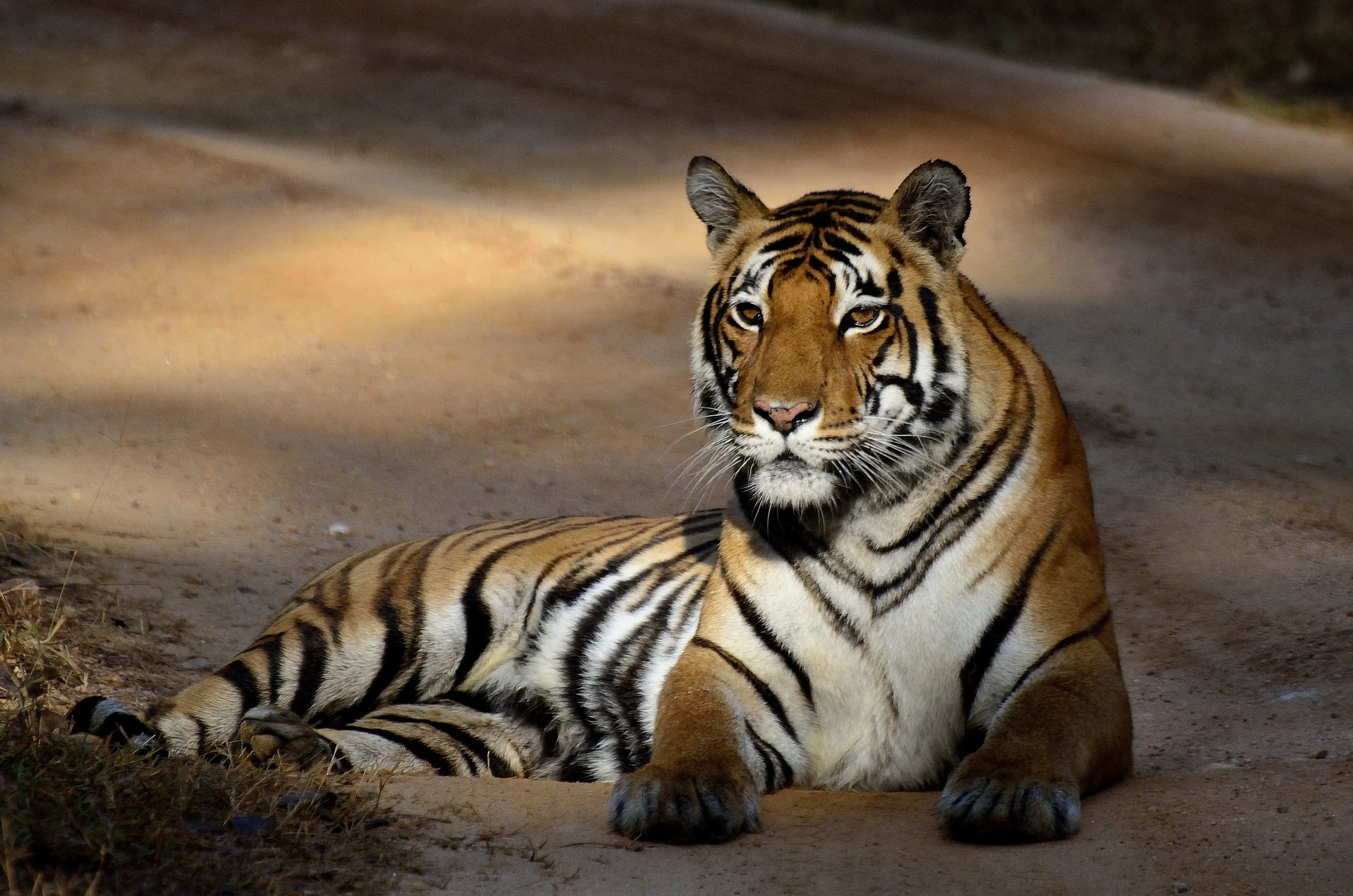
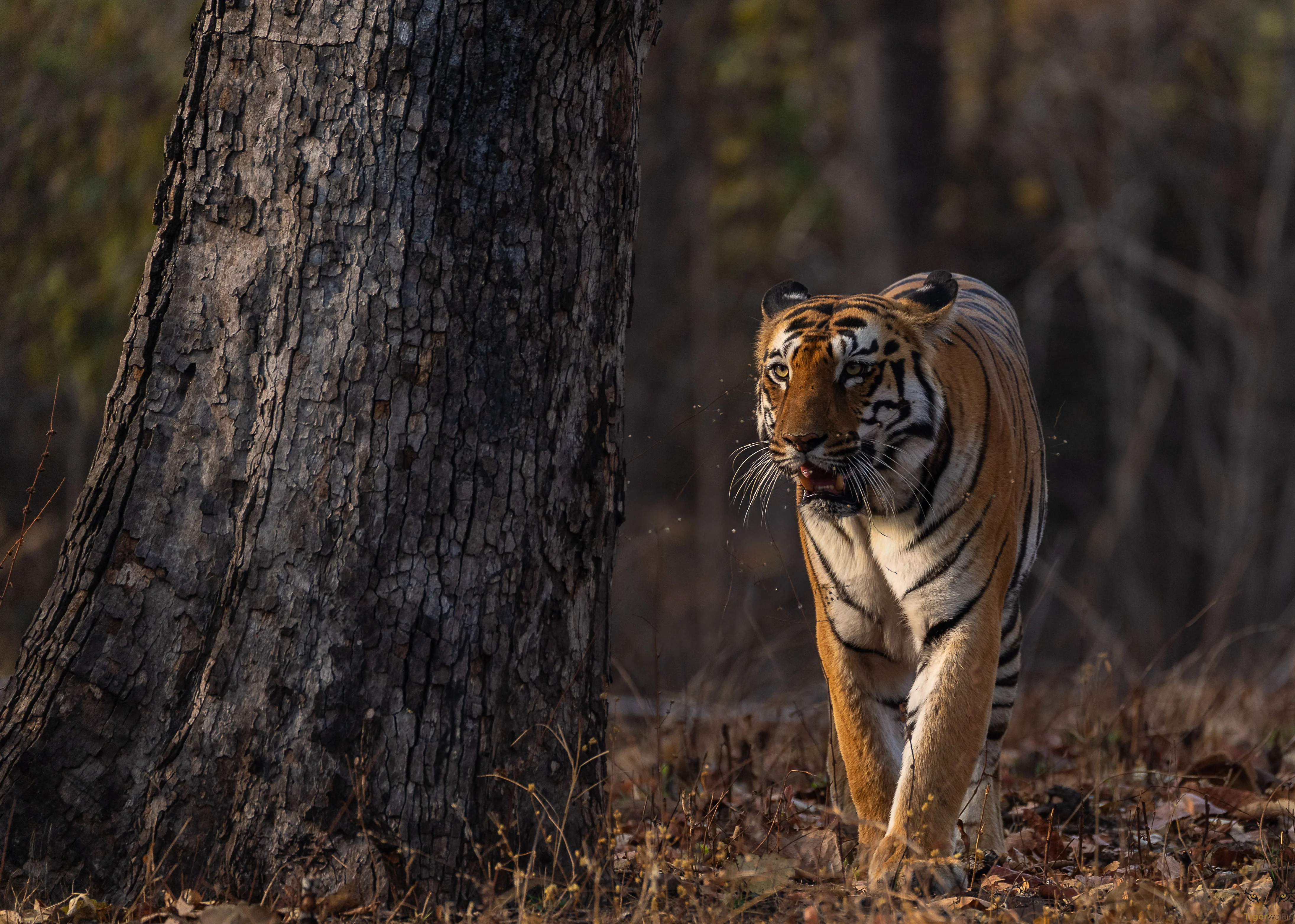
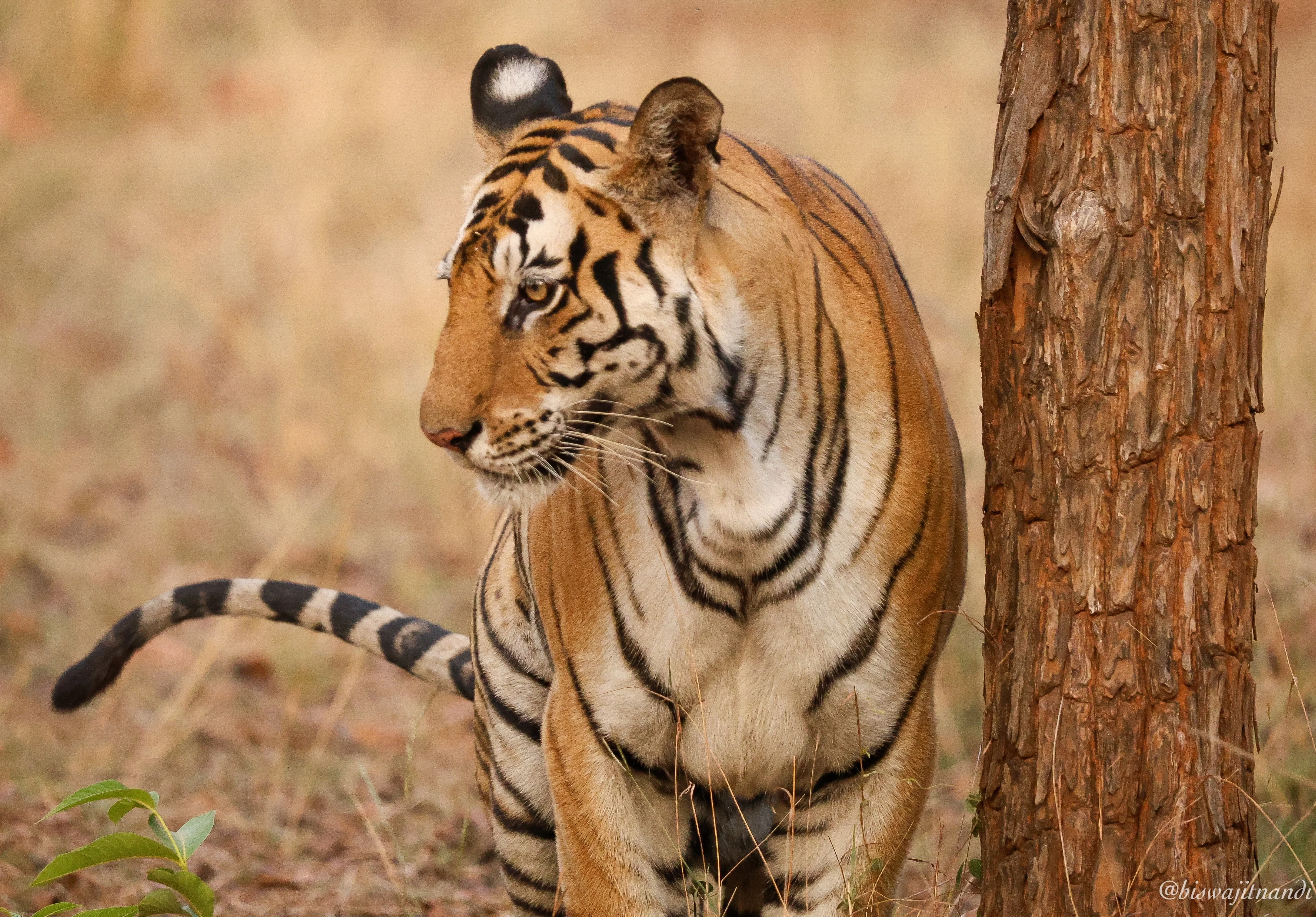
Central India remains the beating heart of India’s tiger landscapes. In this first edition of Naturalist Diaries, we bring together field observations, recent sightings, and evolving tiger dynamics from some of the most productive national parks and tiger reserves in the region.
The Central Indian landscape spans across Madhya Pradesh and Maharashtra and is largely defined by dry deciduous teak forests, with pockets of semi evergreen sal forests in places such as Kanha, Sanjay Dubri, and Bandhavgarh. This region supports the highest density of tigers anywhere in India and continues to deliver exceptional wildlife experiences season after season.
At present, parks such as Tadoba, Umred Karandhla, Panna, Bandhavgarh, and Sanjay Dubri are offering very high chances of tiger sightings. Panna, Pench, and Satpura are also well known for consistent leopard activity. Kanha, once the only home of the Hardground Barasingha, has successfully expanded the species to Satpura and Bandhavgarh. Pench continues to stand out with the highest population of spotted deer in the country.
Tadoba Andhari Tiger Reserve
Tadoba is once again delivering an extraordinary season, mirroring the success of previous years with frequent sightings of tigresses with cubs and strong dominant males across tourism zones.The Collarwali female and her three one year old cubs are regularly seen in the Moharli zone and have quickly become tourist favorites. The C3 female and her three small cubs are also thriving in the same zone. Bijali and Babli, both with three cubs each, are adding to the abundance of family sightings, while Roma is frequently sighted with her single cub.
Dominant males such as Chota Dadhiyal, Yuvraj, Collarwala, Mama, and CD continue to control the tourism areas of the park. Recently, the Banuskhindi female successfully brought down a large gaur. Tourists later witnessed her cubs playing with the carcass, attempting to tear it open, offering a rare glimpse into early hunting behavior.
Two tigresses, Chanda and Tara, have been relocated from Tadoba to Sahyadri Tiger Reserve in the Kolhapur and Satara districts of Maharashtra as part of a population expansion initiative. Currently, three males are present in Sahyadri, with plans to shift three more females and two males from Tadoba and Umred Karandhla. This marks the first time in Indian conservation history that Central Indian tigers have been artificially relocated to the Western Ghats, ensuring the introduction of a new genetic pool in the region.
Umred Karandhla Wildlife Sanctuary
The Gothangaon zone of Umred Karandhla Wildlife Sanctuary has become one of the most sought after safari zones in the region. The F2 female, along with her five cubs, has turned this zone into a daily sell out, with permits disappearing within minutes.In the Karandhla zone, the X Mark female and her two cubs dominate the landscape. J Mark, the dominant male of the park, regularly patrols both zones, protecting the females and cubs from rival males.
Pench Tiger Reserve
Pench has recently gained widespread attention due to consistent black leopard sightings in the Mogarkassa zone of Pench Maharashtra. Many visitors have been fortunate enough to observe the melanistic leopard along with its yellow mate. Adding to the excitement, a female tiger with a very tiny cub was also sighted in the same zone.Lesser explored areas such as Sillari and Chorbahuli are witnessing an increase in tiger sightings. Khursapar remains active due to the presence of two subadult male cubs of tigress B2, while Baras continues to produce regular sightings.
In the Khawasa buffer, Jugni and her five cubs are frequently seen crossing the Khawasa Turia road. The Turia zone remains strong with Laxmi, her father L Mark, the Swastik male, and the Patdev female along with her subadult cubs from a previous litter. Langdi, despite her advanced age and visible weakness, continues to be sighted occasionally. This could possibly be her final year.
Kanha Tiger Reserve
In Kanha, the recent sighting of MV3 with two very tiny cubs brought welcome news to the Mukki zone after her long absence. Mukki continues to be one of the most dynamic zones in the park, supported by residents such as the Pattewala male, DJ9 female, Nila Nala male, and Jr Sondar female.The Amahi area of the Sarhi zone is also active with the Amahi male and Monalisa female. Jr Bajrang and Sunaina are keeping the Kanha zone lively, while the Magarnala female with three cubs and the new Khapa female with her three cubs are thriving in the Khatia and Khapa buffer zones respectively.
Satpura Tiger Reserve and Bori Wildlife Sanctuary
Satpura continues to deliver some of the most fascinating tiger behavior in the country. Rudra, Shankara, and Shiva, three brothers from the same litter, rule different territories within the Bori Wildlife Sanctuary. Each has successfully established dominance within his range.Recently, guests and naturalists witnessed an event that can only be described as extraordinary. Shiva killed a massive male gaur, attracting his mate Laila and their five cubs. Shortly after, another mate, Jhalai, arrived with her three cubs. Instead of the aggressive behavior typically expected, all eleven tigers fed peacefully on the same kill. Such an event is exceedingly rare and may occur only once in a century. Those who witnessed it experienced something truly unforgettable.
Bandhavgarh Tiger Reserve
Bandhavgarh continues to evolve as a strong and balanced ecosystem. Elephants that moved into the landscape have settled well, and the forest has adapted to their presence. Last year, Barasingha were relocated from Kanha, and several individuals have now been released from quarantine. After Kanha and Satpura, Bandhavgarh has become the third home of the Hardground Barasingha.Dominant males such as D1, Bajrang, DM male, Hawa Mahal male, Jambhol, and Jobi currently control the park. Tigresses Sehra, Sidha Baba, Dotty, and Sita Mandap are all raising cubs. Sehra’s very tiny cub was sighted just five days ago. Nadi Wali and RA females are also being seen regularly, while the Dhamokhar buffer zone is showing increased cub activity.
Panna Tiger Reserve
Panna continues to offer excellent sightings, matching the success of the previous year. Tigresses P141 and P151 are both with cubs, while P652 is being sighted regularly. Male tigers such as P663, P243, and Kanhaiya are frequently encountered.P243, a massive male, suffered a severe injury during the summer, with a large wound on his forehead. After treatment by the forest department, he survived, although the wound remains unhealed and continues to worsen as he scratches it. His survival under such conditions is a testament to resilience in the wild.
Sanjay Dubri Tiger Reserve
Sanjay Dubri, a lesser known yet beautiful park in Madhya Pradesh, is quietly emerging as a strong tiger landscape. Males such as T26, T43, and T33 are actively patrolling the area. Tigress T40 is frequently sighted along with her three cubs. Tigresses T17 and T28 are also regularly sighted in the tourism areas.With low tourist pressure and increasing tiger activity, Sanjay Dubri holds immense promise for the future.
If you are planning a tiger safari, this is an encouraging season to do so. With sightings expected to improve and cub activity increasing across Central India by the summer of 2026, now is a good time to begin planning. Get in touch with us Today.
Planning a trip to Bandhavgarh Tiger Reserve?
Explore our tailor-made safaris, expert routing guides, and real-time sighting updates for this park.
Inspired to see it for yourself?
Join us on an unforgettable wildlife expedition. Explore our fixed departures or let us customize a private tour tailored just for you.








No comments yet. Be the first!