
Ranthambore: Royal Bloodlines, Family Feuds and a Season Full of Surprises
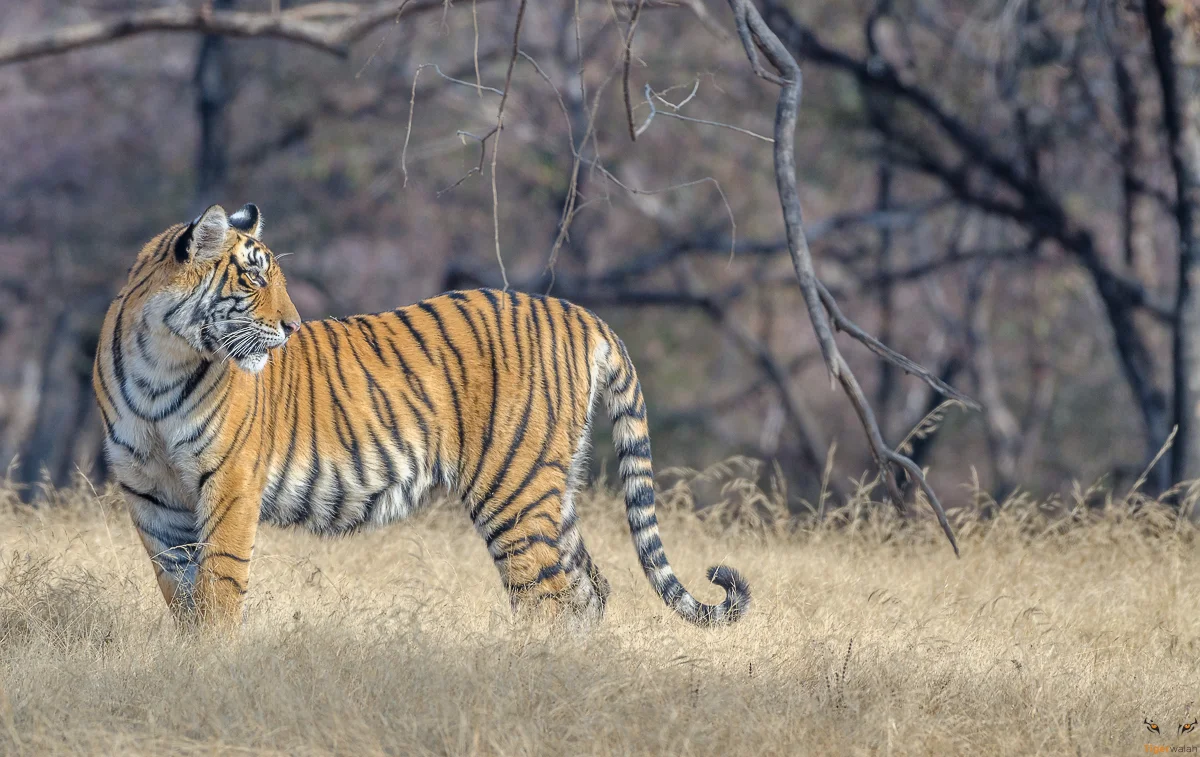
Naturalist Diaries – Season End 2025–26
Few wildlife destinations enjoy the global reputation of Ranthambore National Park. Nestled against the backdrop of the magnificent Ranthambore Fort in Rajasthan's Sawai Madhopur district, this iconic reserve has long been synonymous with tiger sightings. Ancient ruins, dramatic lakes, dry deciduous forests and bold, habituated tigers combine to create one of the most unforgettable safari experiences anywhere in the world.
The 2025–26 season was no different. It was a year dominated by famous bloodlines, territorial drama, extraordinary sightings and the promise of yet another exciting generation of cubs.
Riddhi Continues to Rule Ranthambore
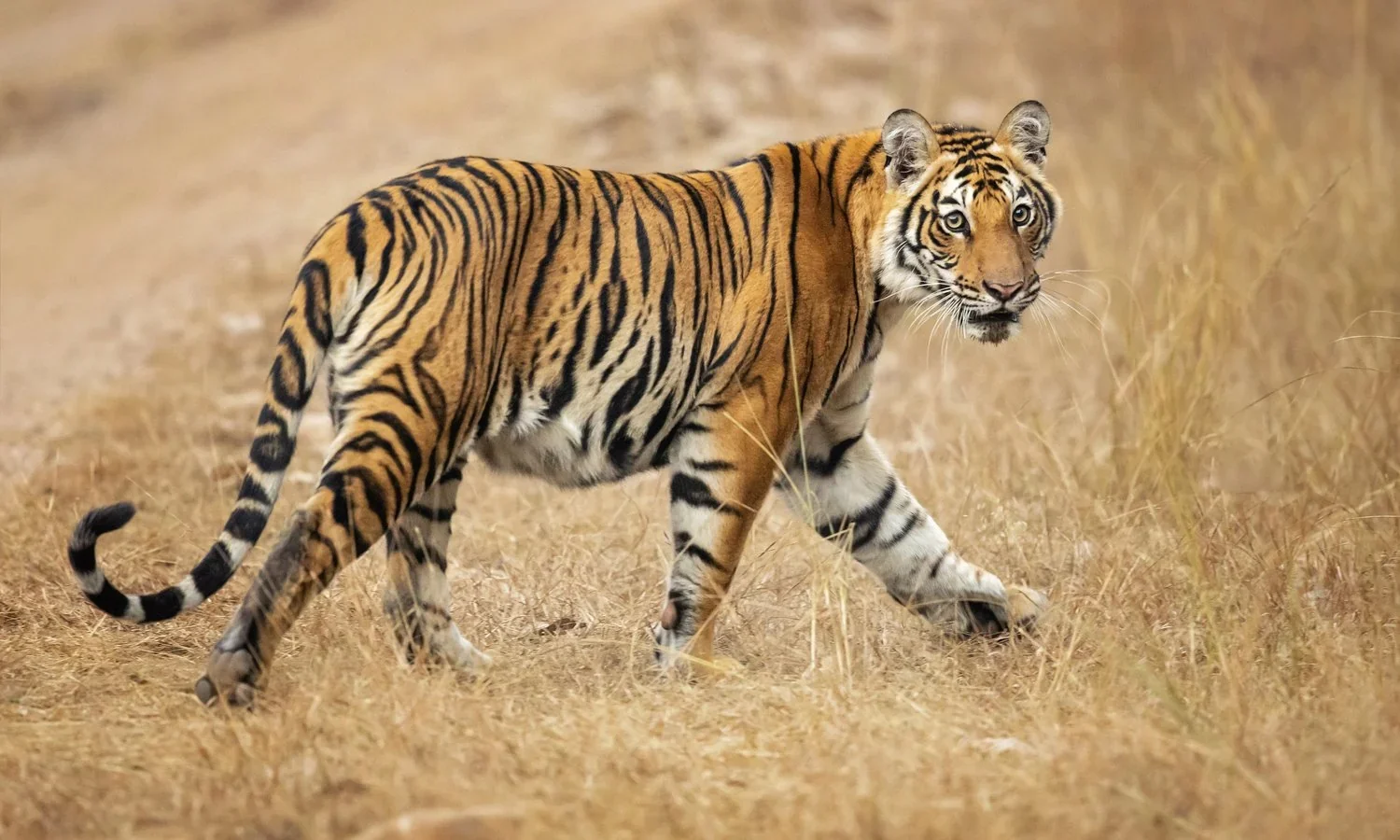
If one tigress defined Ranthambore this season, it was undoubtedly Riddhi (T-124).
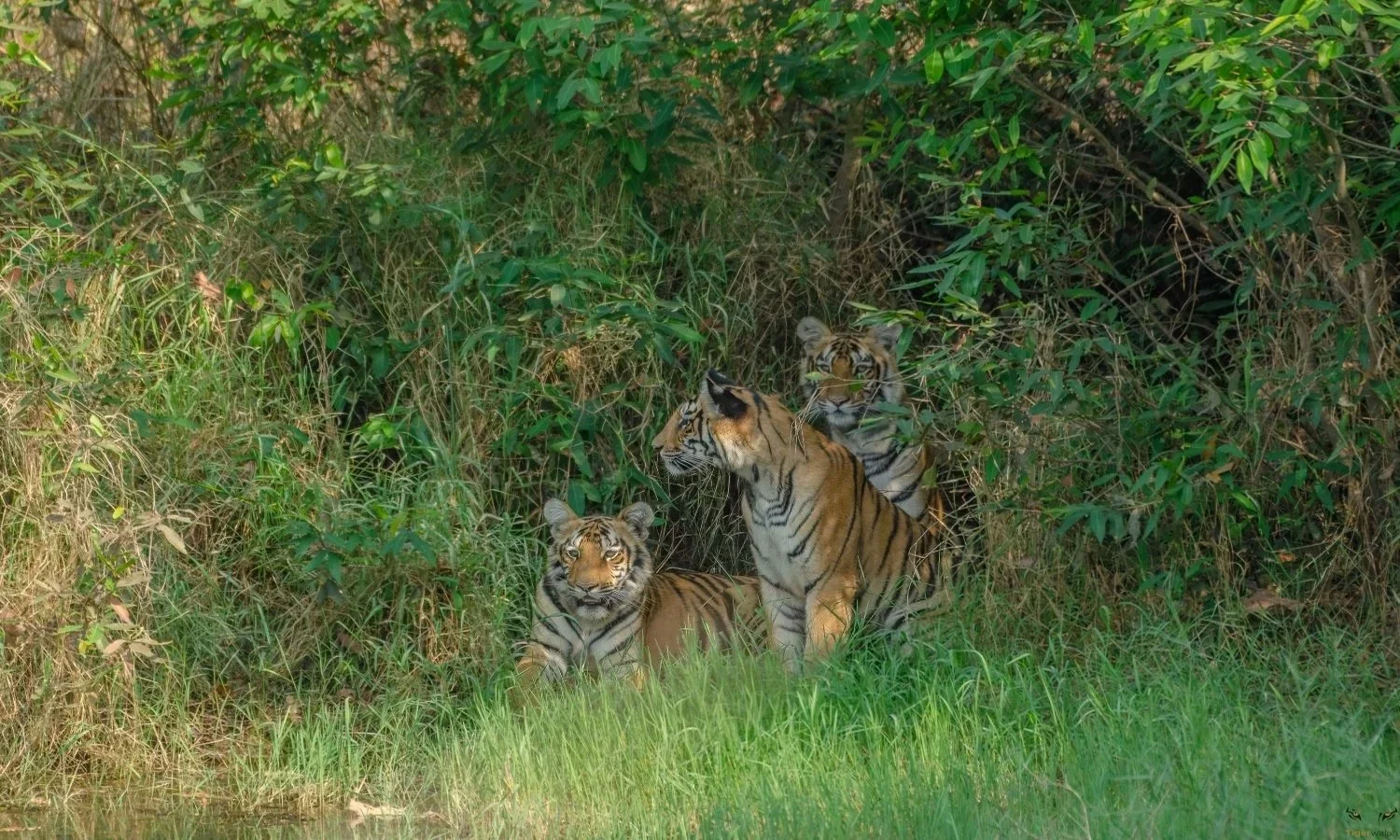
Along with her three nearly grown cubs—two males, Shubh (T-2505) and Labh (T-2506), and one female, Santoshi (T-2504)—This family remained the undisputed star attraction of the reserve.
Her territory, stretching across Zones 2, 3 and 4, offered visitors countless memorable sightings throughout the season. Yet what truly captured the attention of wildlife enthusiasts was not simply her family, but the growing conflict unfolding within it.
A Daughter Challenges the Queen
Nature eventually asks every dominant tigress to defend her kingdom—even against her own offspring.
This season, Santoshi repeatedly challenged her mother in an attempt to claim a portion of Riddhi's territory. Their confrontations became one of the defining stories of the year, especially after a dramatic video of the pair fighting went viral across social media.
Several fortunate safari-goers witnessed these tense encounters firsthand, watching mother and daughter test each other's resolve in a struggle that symbolised the inevitable transition between generations.
Despite Santoshi's determination, Riddhi successfully defended her territory throughout the season. Santoshi vanished from the park around May 2nd after a fight with her mother. Since then neither anyone has seen her nor her images were captured in Camera traps. She might have shifted to some other place or the worst might have happened with her.
The members of the family frequently wandered along the famous Fort Road, delighting visitors with unusually close encounters. One particularly unforgettable morning saw two of the cubs resting directly on the steps leading to the fort in front of the Jogi Mahal Gate, creating one of the season's most iconic memories.
The Brothers Stay Together
Unlike most young male tigers, Shubh and Labh have continued to remain together well beyond the age at which siblings typically separate.
Their unusual companionship has become one of the reserve's more intriguing stories. However, with adulthood now firmly upon them, it seems increasingly likely that the coming months will force the brothers to part ways as they begin searching for territories of their own.
A New Chapter Begins
As the safari season drew to a close, Riddhi delivered another reason for celebration.
During the first week of June, Forest Department staff confirmed that she had given birth in the Nalghati area of Zone 2. Two cubs have already been seen, with strong indications that a third may also be present.
The arrival of this new litter ensures that Riddhi's remarkable legacy continues and almost guarantees that she will remain one of Ranthambore's biggest attractions when the park reopens after the monsoon.
A Nursery in Zone 4
Zone 4 continued to be one of Ranthambore's busiest tiger landscapes.
Resident tigress Shakti (T-111) spent the season raising her two 14-month-old cubs, while nearby Durga (T-2307) successfully cared for her energetic litter of four cubs, now approaching their first birthday.
Both litters were sired by the impressive male Kartik (T-121), whose territory lies primarily in Zone 5.
Kartik's brother, Ganesh (T-120), continues to play an equally significant role in the reserve's family tree, having fathered Riddhi's previous litter and quite possibly her newest cubs as well.
Together, these bloodlines continue shaping the future of Ranthambore's tiger population.
Sultana's Eventful Year
Another tigress that remained firmly in the spotlight was Sultana (T-107), whose territory encompasses Zone 1, Zone 6 and sections of the Fort Road.
In December, she became the subject of one of the season's most talked-about wildlife moments when she calmly walked along the Fort Road carrying one of her newborn cubs in her mouth, passing directly in front of a line of safari vehicles.
For those fortunate enough to witness the scene, it was a once-in-a-lifetime moment.
Her latest litter consists of two cubs, both of which are thriving safely within the non-tourism areas of her territory.
Sons That Keep Making Headlines
Sultana's older offspring also had remarkable stories of their own.
One son, T-2512, surprised wildlife managers by appearing in Kuno National Park in neighbouring Madhya Pradesh—the very reserve where African cheetahs have recently been reintroduced.
Given the natural forest corridors connecting Kuno and Ranthambore, such movements are entirely possible and have occurred before. Nevertheless, his journey once again highlighted the importance of maintaining these vital wildlife corridors.
Meanwhile, Sultana's bold son Malang (T-2511) continued entertaining visitors with his frequent appearances along the Fort Road, where he has become one of the reserve's most recognisable males.
A Journey Back Home
A tiger, from area near fort road T-2407, briefly wandered outside the reserve and was seen near a resort. Forest officials safely captured him and relocated him to the Khandar Range, a non-tourism section of the park.
Remarkably, within just a few days, the determined young male had travelled back to his original home range.
His companion there is T-2510, a female who also happens to be one of Riddhi's daughters—another example of how deeply interconnected Ranthambore's famous bloodlines have become. Unfortunately for him T-2510 is also missing since May and haven’t been sighted yet.
A Safari Unlike Any Other
Perhaps the most extraordinary story of the season unfolded in Zone 9, one of Ranthambore's lesser-visited buffer zones situated along the banks of the Chambal River.
During an April safari, an exceptionally fortunate group of visitors achieved something almost unimaginable.
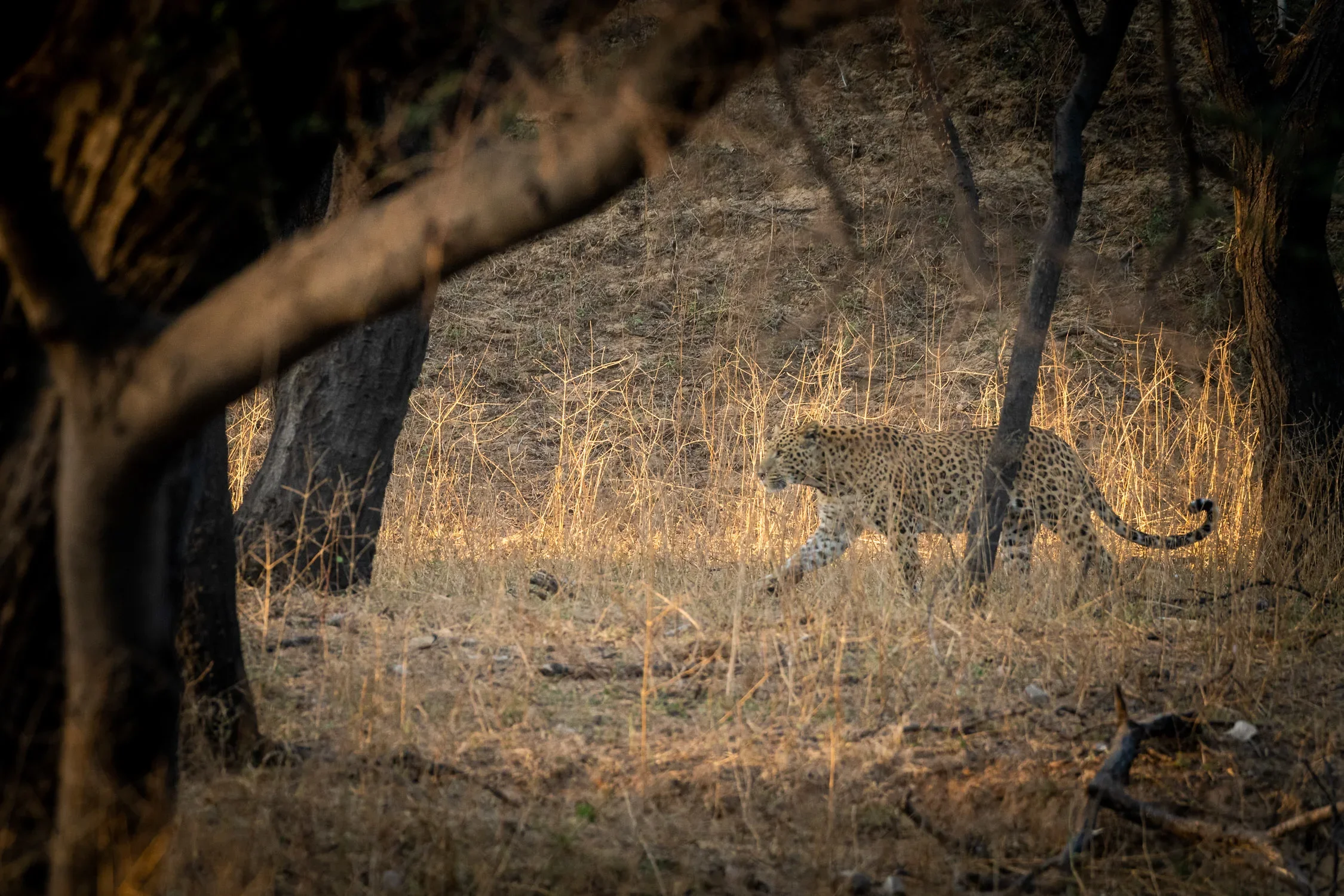
Within a single drive, they observed a tiger, a leopard and a cheetah.
The cheetah, identified as KP-2, had dispersed from Kuno National Park while exploring new territory and eventually wandered into Ranthambore's landscape.
Although cheetahs have previously travelled as far as villages near Sawai Madhopur, witnessing one inside the broader Ranthambore landscape alongside India's other two large spotted and striped predators were unprecedented.
For those lucky visitors, it was a safari that may never be repeated.
Sometimes, wildlife rewards a handful of people with moments that seem almost impossible—and this was certainly one of them.
So, a tiger from Ranthambore went to Kuno and a Cheetah from Kuno came to Ranthambore. An even exchange!
Looking Ahead
The forests of Ranthambore never stand still.
With Riddhi beginning yet another chapter of motherhood, Shakti and Durga raising nearly grown cubs, Sultana's expanding family and a healthy population of ambitious young males waiting for opportunities, the reserve is poised for another fascinating season.
Territories will continue to shift, new rivalries will emerge, young tigers will disperse into unfamiliar forests, and another generation will slowly take its place among Ranthambore's legendary bloodlines.
As the monsoon rains settle over the ancient fort and the lakes fill once more, the jungle quietly prepares for the next chapter—one that promises just as much drama, beauty and unpredictability as the season that has just come to an end.
Planning a trip to Ranthambore National Park?
Explore our tailor-made safaris, expert routing guides, and real-time sighting updates for this park.
Inspired to see it for yourself?
Join us on an unforgettable wildlife expedition. Explore our fixed departures or let us customize a private tour tailored just for you.








No comments yet. Be the first!