
Satpura & Kheoni Season End 2025–26
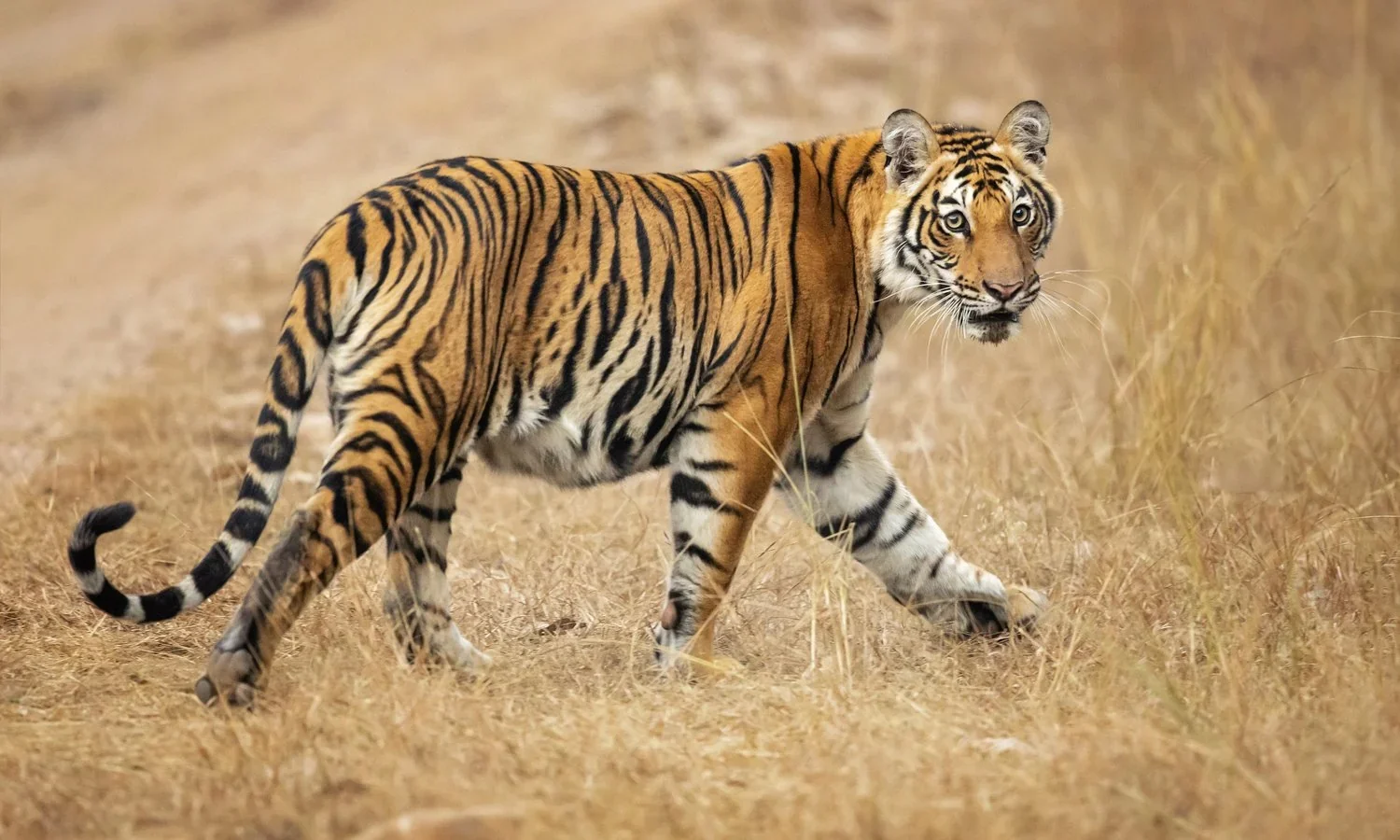
Among the great wildernesses of Central India, Satpura Tiger Reserve has always stood apart. Unlike the more open landscapes of Kanha or Ranthambore, Satpura is a mosaic of habitats—towering sal forests around Pachmarhi, dry teak woodlands, sprawling grasslands and lush riverine forests stretching through Bori and Madhai.
For years, the reserve earned its reputation as one of India's finest destinations for leopards and sloth bears. Today, however, Satpura has entered an exciting new chapter. A steadily growing tiger population has transformed the reserve into one of the country's most dynamic wildlife destinations.
The 2025–26 season made that abundantly clear.
With six resident tigresses raising cubs within the tourism zones, Satpura now offers some of the most promising tiger viewing opportunities in Central India.
Churna's Growing Tiger Families
The forests of Churna remained among the reserve's biggest highlights this season.
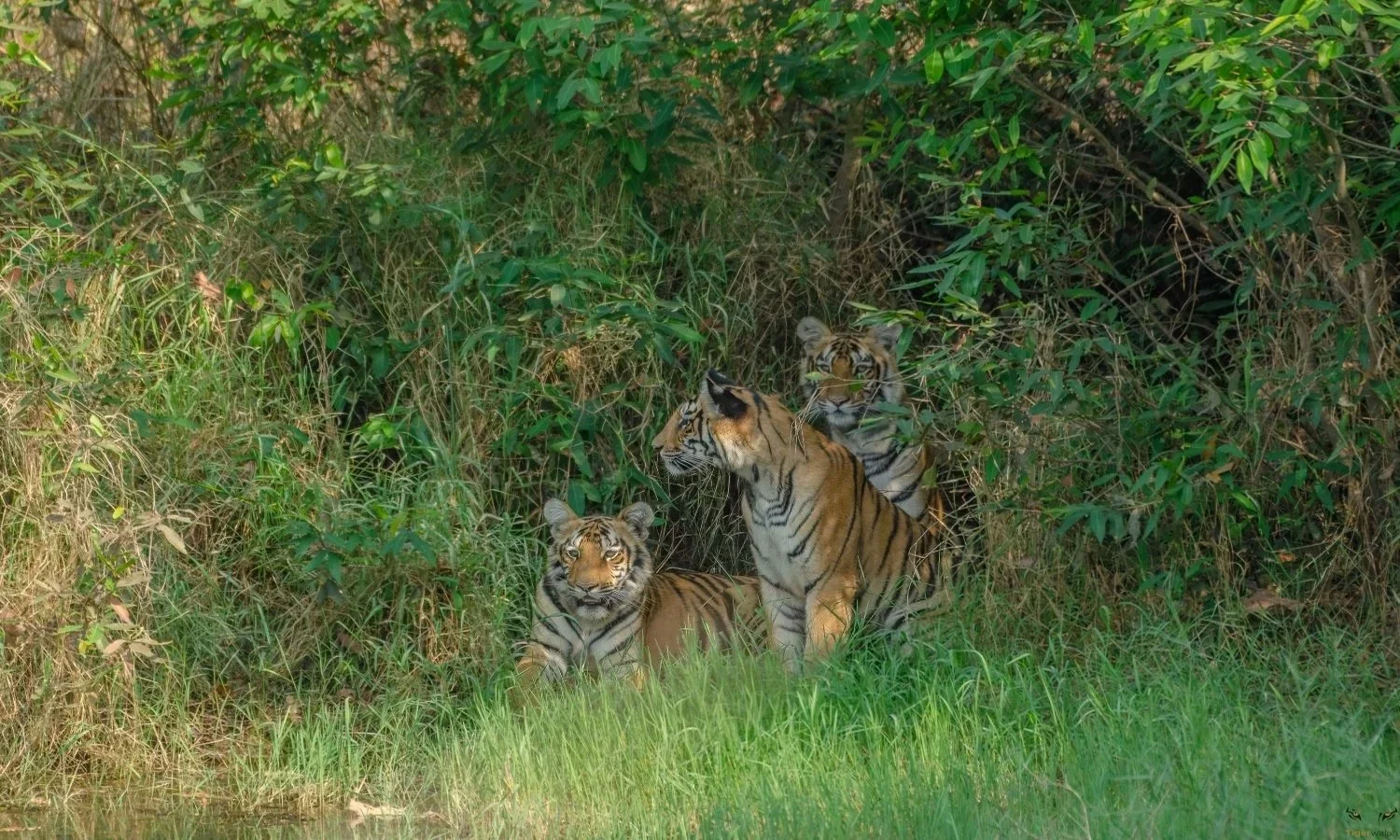
Leading the way was the well-known Machli tigress, who spent much of the year raising her three energetic cubs. At just six months of age, the youngsters are wonderfully playful and still heavily dependent on their mother. As they grow over the coming monsoon, they will begin exploring larger sections of her territory, greatly increasing the chances of memorable sightings next season.
Sharing the Churna landscape is another familiar resident, Kakdi, whose three sub-adult cubs have now become some of the area's most reliable attractions.
Confident and remarkably bold, the family provided visitors with repeated opportunities to observe the fascinating transition from dependent cubs to young tigers preparing for independence.
Mallupura's Remarkable Mothers
Across the Bori landscape, the Mallupura range has quietly become one of Satpura's most productive tiger habitats.
One of its most inspiring residents is Suplai, affectionately known as Laila.
Her story is unlike any other.
Orphaned as a cub, Suplai was hand-raised by the Forest Department in a carefully managed semi-captive environment within Satpura before eventually being released back into the wild. Many questioned whether she would adapt successfully.
She has done far more than survive.
Today, she is the mother of five healthy sub-adult cubs, all of whom are now approaching the age of dispersal. Her remarkable journey from orphaned cub to successful wild mother stands as one of Satpura's quiet conservation success stories.
Another tigress drawing considerable attention is Jhalai, whose three ten-month-old cubs have become a favourite among safari enthusiasts. Curious, bold and increasingly adventurous, the cubs are already beginning to explore beyond their mother's immediate presence. By the time the next safari season begins, they will be well over a year old and considerably more visible throughout the forest.
Nearby, Kothi female is raising two young cubs just three to four months old. Her territory stretches between Mallupura and Churna, giving visitors in both areas a chance of encountering this growing family over the coming months.
Madhai's Expanding Dynasty
The Madhai tourism zone also enjoyed an exceptional season.
Resident tigress Fireline has emerged as one of the reserve's biggest stars after successfully raising an impressive litter of five cubs, now approximately ten months old.
Their sightings have been among the most rewarding in Satpura this year.
As these youngsters mature, they are expected to spend increasing amounts of time exploring independently while remaining close to their mother. This natural increase in movement should make them one of the reserve's biggest attractions once the park reopens after the monsoon.
Changing Kingdoms
Satpura's dominant males also experienced a season of shifting territories.
For several years, the Bori landscape was ruled by three brothers—Shiva, Rudra and Shankara.
That balance has now begun to change.
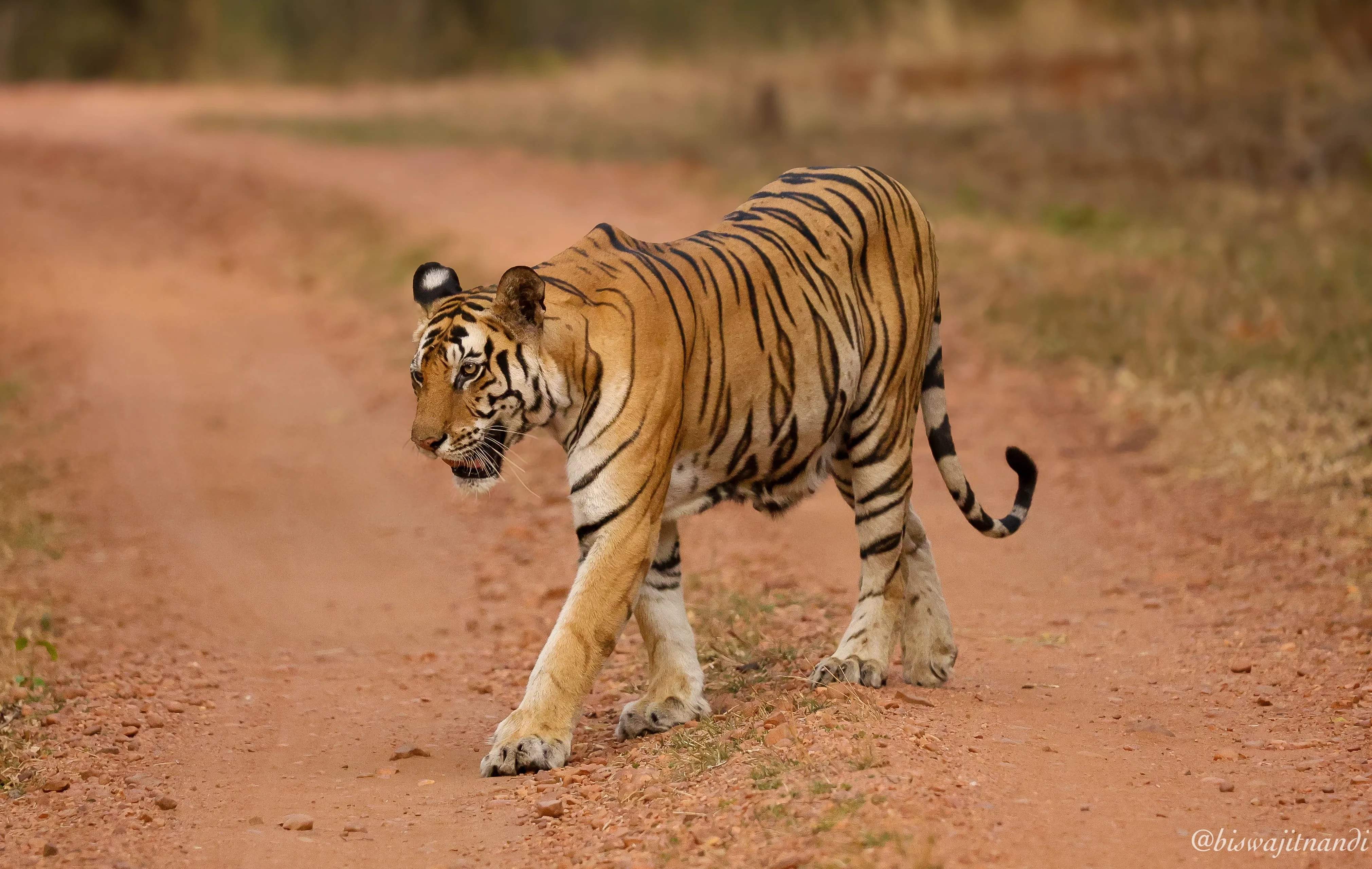
While Shiva continues to dominate the Mallupura region and Rudra remains largely associated with Churna, Shankara has shifted his territory towards Madhai, where he quickly found himself involved in fierce territorial disputes.
One particularly intense confrontation occurred with the resident male Lagda, while another dominant tiger, Pujari, lost his life during a separate territorial conflict.
These dramatic changes underline the constant competition that accompanies a growing tiger population, where every successful male must continually defend his place in the landscape.
Satpura's Other Wildlife Still Shines
Although the reserve's tiger population continues to grow, Satpura remains one of Central India's richest ecosystems.
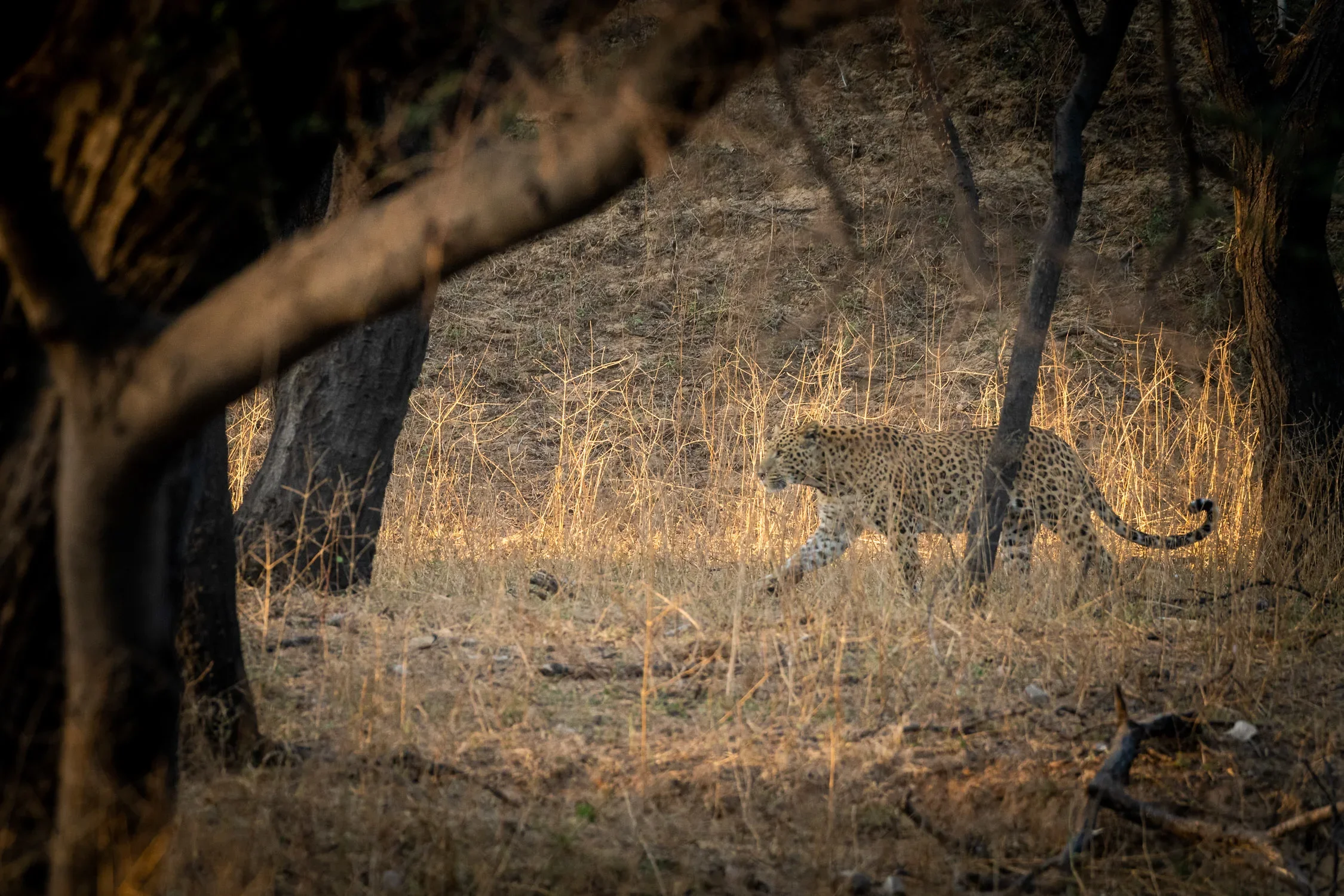
Leopard sightings around Madhai have naturally declined as increasing tiger numbers place greater pressure on their smaller cousins. While leopards can still be encountered, Satpura is no longer regarded as the leopard stronghold it once was.
Sloth bears, however, continue to thrive.
The rocky hills and forested valleys of Madhai still produce remarkably consistent sightings, with many visitors fortunate enough to observe these charismatic animals on almost every safari.
The reserve's thriving dhole population remains equally impressive.
The Bori landscape currently supports several large packs, including an extraordinary group of 24 wild dogs around Mallupura. Another pack numbering around 20 individuals moves between Mallupura and Churna, while two additional packs of 12 and 7 animals further demonstrate the remarkable health of Satpura's predator community.
The Return of the Barasingha
One of Satpura's greatest conservation achievements continues quietly alongside its growing tiger story.
Beginning in 2015, hard-ground barasingha were translocated from Kanha Tiger Reserve to establish a second free-ranging population of this once critically endangered deer.
The results have been remarkable.
Today, the population has grown to 172 individuals, establishing a stable second wild population outside Kanha.
During a recent survey in the grasslands along the Malini River, forest staff counted an astonishing 85 barasingha together in a single herd—a remarkable milestone that highlights the success of one of India's most important conservation initiatives.
A Reserve Ready for the Spotlight
With six breeding tigresses, numerous sub-adult cubs preparing for independence and several dominant males reshaping territories, Satpura is poised to become one of Central India's most exciting safari destinations.
Each passing season seems to strengthen the reserve's reputation, and all signs suggest that the coming year could deliver some of its finest wildlife viewing yet.
Kheoni Wildlife Sanctuary – A Rising Star
Just a few hours from both Bhopal and Indore, Kheoni Wildlife Sanctuary has rapidly emerged as one of Central India's most exciting wildlife destinations.
Often combined with a visit to Satpura, the sanctuary remained relatively unknown until recently, when an unexpected tiger story transformed its fortunes.
For many years, Kheoni served primarily as a forest corridor connecting Ratapani Wildlife Sanctuary near Bhopal with Melghat Tiger Reserve in Maharashtra. Tigers regularly travelled through these forests but rarely established permanent territories.
That changed with the arrival of one remarkable pair.
The Couple That Changed Everything
A dominant male named Yuvraj and a tigress named Meera chose to make Kheoni their home.
Their decision altered the sanctuary's future.
Together, they established a breeding population that has since expanded rapidly, placing Kheoni firmly on India's wildlife tourism map.
Meera is now raising three healthy cubs, while Yuvraj has become one of the sanctuary's biggest attractions.
Exceptionally relaxed around safari vehicles, he has earned a reputation as one of the boldest tigers in the region, regularly providing visitors with outstanding sightings.
Today, Kheoni supports more than ten tigers, an extraordinary achievement for a sanctuary that only a few years ago was known primarily as a wildlife corridor.
Looking Ahead
Satpura and Kheoni represent two of Central India's most exciting conservation stories.
One is an ancient wilderness where tiger numbers continue to grow alongside thriving populations of sloth bears, dholes and barasingha. The other is an emerging sanctuary where a single breeding pair has transformed an overlooked corridor into a flourishing tiger landscape.
With numerous litters expected to mature, young tigers preparing to disperse and several experienced mothers likely to breed again, both destinations promise an exciting future.
As the monsoon settles across the Satpura hills and the forests of Kheoni turn lush green once more, the wilderness quietly prepares for another season—one that is certain to bring new cubs, fresh rivalries and countless unforgettable encounters for those fortunate enough to return.
Planning a trip to Ranthambore National Park?
Explore our tailor-made safaris, expert routing guides, and real-time sighting updates for this park.
Inspired to see it for yourself?
Join us on an unforgettable wildlife expedition. Explore our fixed departures or let us customize a private tour tailored just for you.








No comments yet. Be the first!